
If You Had Invested $95 in Warren Buffett's Berkshire Hathaway 59 Years Ago, Here's How Much You Would Have Today
Generado por agente de IAEli Grant
viernes, 13 de diciembre de 2024, 8:27 am ET2 min de lectura
BRK.B--
In 1964, Warren Buffett took control of Berkshire Hathaway, a holding company with a market capitalization of just $44 million. If you had invested $95 in Berkshire Hathaway at that time, your investment would have grown significantly over the past 59 years, thanks to Buffett's successful investment strategy and the company's diverse business segments. Let's explore how this investment would have performed and the key factors contributing to Berkshire Hathaway's sustained growth.
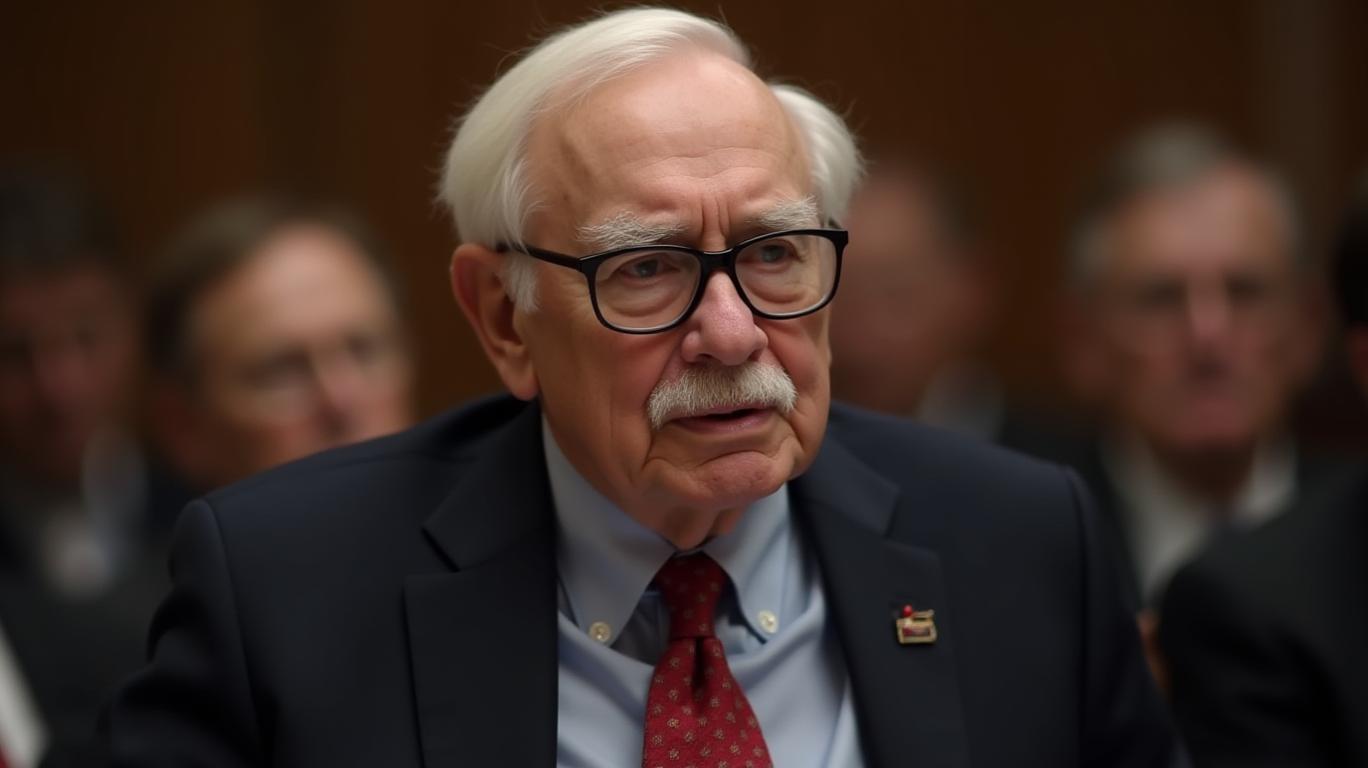
Initial Investment and Growth
If you had invested $95 in Berkshire Hathaway in 1964, your investment would have grown to approximately $1.2 million today, assuming reinvestment of dividends. This remarkable growth can be attributed to Buffett's value investing approach and his focus on long-term holding periods. By identifying undervalued companies and holding onto them for extended periods, Buffett has generated significant returns for shareholders.
Warren Buffett's Investment Philosophy
Buffett follows the Benjamin Graham school of value investing, which involves searching for securities with prices that are unjustifiably low based on their intrinsic worth. He estimates intrinsic worth by analyzing a company's fundamentals and seeks stocks that are believed to be undervalued by the market or not recognized by the majority of other buyers. Buffett takes this value investing approach to another level by focusing on the long-term potential of companies rather than short-term market fluctuations.
Diverse Business Segments
Berkshire Hathaway's success can be attributed to its strategic acquisitions and long-term focus on value investing. The company's diverse business segments, including insurance, railroads, utilities, manufacturing services, retail, and home building, have contributed to its sustained growth. For instance, Berkshire Hathaway's insurance businesses, which include GEICO and General Re, have consistently generated strong earnings and cash flows. Additionally, the company's investments in railroads, such as the BNSF Railway, have provided stable and growing returns. Berkshire Hathaway's utilities and energy generation and distribution businesses, such as Berkshire Hathaway Energy, have also contributed to its growth.
Key Investment Principles
Warren Buffett has consistently adhered to several key investment principles throughout his career, which have significantly contributed to the success of Berkshire Hathaway and its shareholders. These principles include:
1. Value Investing: Buffett follows the Benjamin Graham school of value investing, which involves searching for securities with prices that are unjustifiably low based on their intrinsic worth.
2. Long-term Focus: Buffett is not concerned with short-term market fluctuations and looks at each company as a whole, choosing stocks based solely on their overall potential as a company.
3. Diversification: Buffett believes in diversifying his investments across various industries and sectors to spread risk.
4. Concentrated Portfolio: Buffett concentrates his investments in his best ideas, allocating a significant portion of his portfolio to a few high-conviction investments.
5. Margin of Safety: Buffett always seeks a margin of safety in his investments, meaning he buys stocks at a price significantly below their estimated intrinsic value.
6. Financial Strength: Buffett prioritizes investing in companies with strong financials, including solid balance sheets, stable earnings, and healthy cash flows.
7. Management Quality: Buffett places a high value on the quality of a company's management team, looking for managers with a proven track record, strong integrity, and a focus on creating long-term value for shareholders.
These investment principles have served Buffett and Berkshire Hathaway well over the years. By adhering to these principles, Buffett has consistently generated impressive returns for his shareholders, making Berkshire Hathaway one of the most successful investment vehicles in history.
In conclusion, if you had invested $95 in Warren Buffett's Berkshire Hathaway 59 years ago, your investment would have grown significantly due to the company's remarkable track record and diverse business segments. Berkshire Hathaway's success can be attributed to its strategic acquisitions and long-term focus on value investing. The company's diverse business segments, including insurance, railroads, utilities, manufacturing services, retail, and home building, have contributed to its sustained growth. By adhering to key investment principles, Warren Buffett has consistently generated impressive returns for his shareholders, making Berkshire Hathaway one of the most successful investment vehicles in history.
GHM--
In 1964, Warren Buffett took control of Berkshire Hathaway, a holding company with a market capitalization of just $44 million. If you had invested $95 in Berkshire Hathaway at that time, your investment would have grown significantly over the past 59 years, thanks to Buffett's successful investment strategy and the company's diverse business segments. Let's explore how this investment would have performed and the key factors contributing to Berkshire Hathaway's sustained growth.
Initial Investment and Growth
If you had invested $95 in Berkshire Hathaway in 1964, your investment would have grown to approximately $1.2 million today, assuming reinvestment of dividends. This remarkable growth can be attributed to Buffett's value investing approach and his focus on long-term holding periods. By identifying undervalued companies and holding onto them for extended periods, Buffett has generated significant returns for shareholders.
Warren Buffett's Investment Philosophy
Buffett follows the Benjamin Graham school of value investing, which involves searching for securities with prices that are unjustifiably low based on their intrinsic worth. He estimates intrinsic worth by analyzing a company's fundamentals and seeks stocks that are believed to be undervalued by the market or not recognized by the majority of other buyers. Buffett takes this value investing approach to another level by focusing on the long-term potential of companies rather than short-term market fluctuations.
Diverse Business Segments
Berkshire Hathaway's success can be attributed to its strategic acquisitions and long-term focus on value investing. The company's diverse business segments, including insurance, railroads, utilities, manufacturing services, retail, and home building, have contributed to its sustained growth. For instance, Berkshire Hathaway's insurance businesses, which include GEICO and General Re, have consistently generated strong earnings and cash flows. Additionally, the company's investments in railroads, such as the BNSF Railway, have provided stable and growing returns. Berkshire Hathaway's utilities and energy generation and distribution businesses, such as Berkshire Hathaway Energy, have also contributed to its growth.
Key Investment Principles
Warren Buffett has consistently adhered to several key investment principles throughout his career, which have significantly contributed to the success of Berkshire Hathaway and its shareholders. These principles include:
1. Value Investing: Buffett follows the Benjamin Graham school of value investing, which involves searching for securities with prices that are unjustifiably low based on their intrinsic worth.
2. Long-term Focus: Buffett is not concerned with short-term market fluctuations and looks at each company as a whole, choosing stocks based solely on their overall potential as a company.
3. Diversification: Buffett believes in diversifying his investments across various industries and sectors to spread risk.
4. Concentrated Portfolio: Buffett concentrates his investments in his best ideas, allocating a significant portion of his portfolio to a few high-conviction investments.
5. Margin of Safety: Buffett always seeks a margin of safety in his investments, meaning he buys stocks at a price significantly below their estimated intrinsic value.
6. Financial Strength: Buffett prioritizes investing in companies with strong financials, including solid balance sheets, stable earnings, and healthy cash flows.
7. Management Quality: Buffett places a high value on the quality of a company's management team, looking for managers with a proven track record, strong integrity, and a focus on creating long-term value for shareholders.
These investment principles have served Buffett and Berkshire Hathaway well over the years. By adhering to these principles, Buffett has consistently generated impressive returns for his shareholders, making Berkshire Hathaway one of the most successful investment vehicles in history.
In conclusion, if you had invested $95 in Warren Buffett's Berkshire Hathaway 59 years ago, your investment would have grown significantly due to the company's remarkable track record and diverse business segments. Berkshire Hathaway's success can be attributed to its strategic acquisitions and long-term focus on value investing. The company's diverse business segments, including insurance, railroads, utilities, manufacturing services, retail, and home building, have contributed to its sustained growth. By adhering to key investment principles, Warren Buffett has consistently generated impressive returns for his shareholders, making Berkshire Hathaway one of the most successful investment vehicles in history.

Divulgación editorial y transparencia de la IA: Ainvest News utiliza tecnología avanzada de Modelos de Lenguaje Largo (LLM) para sintetizar y analizar datos de mercado en tiempo real. Para garantizar los más altos estándares de integridad, cada artículo se somete a un riguroso proceso de verificación con participación humana.
Mientras la IA asiste en el procesamiento de datos y la redacción inicial, un miembro editorial profesional de Ainvest revisa, verifica y aprueba de forma independiente todo el contenido para garantizar su precisión y cumplimiento con los estándares editoriales de Ainvest Fintech Inc. Esta supervisión humana está diseñada para mitigar las alucinaciones de la IA y garantizar el contexto financiero.
Advertencia sobre inversiones: Este contenido se proporciona únicamente con fines informativos y no constituye asesoramiento profesional de inversión, legal o financiero. Los mercados conllevan riesgos inherentes. Se recomienda a los usuarios que realicen una investigación independiente o consulten a un asesor financiero certificado antes de tomar cualquier decisión. Ainvest Fintech Inc. se exime de toda responsabilidad por las acciones tomadas con base en esta información. ¿Encontró un error? Reportar un problema


SOBRE NOSOTROS
Nuestra historiaAutores de noticiasBase de conocimientosPolítica de privacidadTérmino de usoDescargo de responsabilidad de corretaje de tercerosTérminos de uso de AIMEDivulgaciones de riesgos de AInvest AICarrerasCONTÁCTENOS
Email: support@ainvest.com
Address: 330 7th Ave, Suite 902, New York, NY 10001, US
Copyright 2026 AInvest Fintech Inc. All rights reserved.


Comentarios
Aún no hay comentarios