
IDF: intercepted two UAVs that crossed from Lebanon
IDF: intercepted two UAVs that crossed from Lebanon
IDF Intercepts Unmanned Aerial Vehicles from Lebanon Amid Escalating Regional Tensions
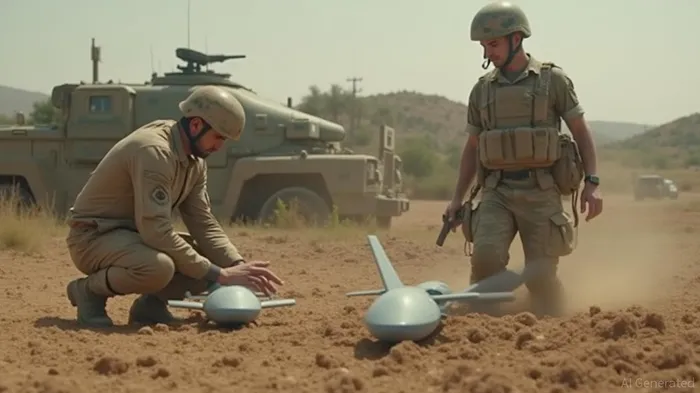
The Israel Defense Forces (IDF) confirmed the interception of a drone that crossed from Lebanon into Israeli territory, triggering air raid sirens in northern communities at approximately 01:00 local time on March 1, 2026. The projectile was part of a broader exchange of fire between Israeli and Hezbollah forces, reflecting renewed hostilities following the November 2024 ceasefire agreement. While no injuries or damage were reported from the intercepted drone, the incident underscores escalating regional instability, with potential implications for economic and financial markets.
Hezbollah's military wing launched a barrage of rockets and drones targeting Israeli missile defense infrastructure near Haifa, citing retaliation for the killing of Iran's Supreme Leader, Ayatollah Ali Khamenei, and ongoing Israeli strikes in Lebanon. In response, the IDF conducted airstrikes on Hezbollah positions in Beirut's southern suburbs and southern Lebanon, resulting in at least 31 civilian casualties, according to Lebanon's health ministry. The IDF has since warned of "prolonged days of combat" and emphasized that "all options" remain on the table, including potential ground operations.
The conflict's financial ramifications are multifaceted. First, prolonged military engagements could strain Israel's defense budget, which already allocates significant resources to border security and missile defense systems. Analysts note that sustained hostilities may drive increased government spending, potentially impacting public debt and fiscal policy flexibility. Conversely, Lebanon's economy—already weakened by years of political instability and debt crises— faces further deterioration due to infrastructure damage, displacement of residents, and disrupted trade routes.
Regional market volatility has also intensified. The Middle East's geopolitical tensions, compounded by Iran's involvement, risk disrupting energy supplies and elevating oil prices, which could ripple globally. Additionally, Lebanon's government has taken steps to assert control over Hezbollah's military activities, including a ban on its security operations. While this may signal efforts to stabilize the country's governance, enforcement challenges persist, complicating prospects for foreign investment and economic recovery.
Investors are advised to monitor developments closely, as the conflict's trajectory could influence commodity markets, regional trade dynamics, and insurance costs for businesses operating in the area. The interplay of military, political, and economic factors highlights the fragility of the region's financial landscape in the coming months.
(https://www.bbc.com/news/articles/c5y4v8g13wxo): BBC, Israel strikes Lebanon after Hezbollah rocket fire as Iran... (March 1, 2026).






Comentarios
Aún no hay comentarios