
Hyundai Motor India's Leadership Shift and Strategic Implications: Assessing Market Confidence and Sales Performance
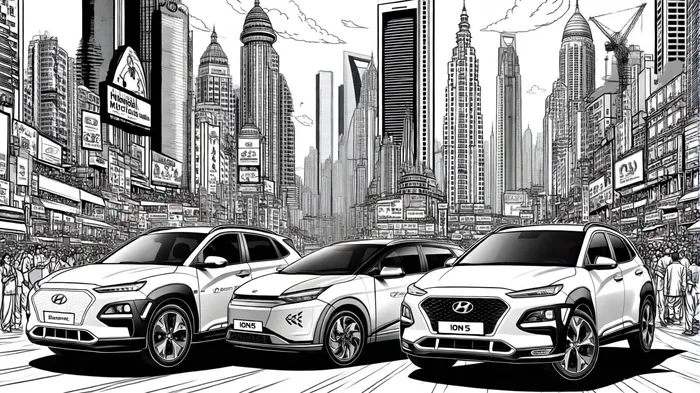
Hyundai Motor India's strategic evolution over the past five years has positioned it as a key player in the Indian automotive sector, even amid a lack of publicly disclosed leadership changes in 2025. While recent management transitions remain opaque, the company's long-term initiatives—particularly in electrification, technological integration, and customer-centric services—offer critical insights into its ability to sustain market confidence and sales momentum.
Strategic Pillars: Electrification and Technological Innovation
Hyundai's global pivot toward electric and hybrid vehicles has been a cornerstone of its strategy. In the UAE, for instance, the Kona Electric and IONIQ 5 have demonstrated strong market appeal, driven by their alignment with sustainability goals and advanced battery technology[1]. These models are likely to form the backbone of Hyundai's India strategy as the country accelerates its clean energy transition, with government targets aiming for 30% electric vehicle (EV) adoption by 2030.
The company's investment in AI-assisted infotainment systems, Apple CarPlay integration, and SmartSense safety features further underscores its focus on technological differentiation[3]. Such innovations not only cater to evolving consumer preferences but also reinforce Hyundai's brand equity in a competitive market dominated by global and domestic rivals.
Market Confidence: A Function of Resilience and Adaptability
Despite the absence of recent leadership announcements, Hyundai's strategic continuity—rooted in its five-year roadmap—has bolstered investor and consumer confidence. The UAE's positive reception of Hyundai's EVs and safety-centric designs[4] suggests that similar strategies could resonate in India, where urbanization and regulatory pressures are driving demand for sustainable mobility solutions.
Moreover, Hyundai's extensive dealership network and customer service initiatives, including comprehensive warranties and after-sales support, have historically mitigated risks associated with management transitions. These factors create a buffer against short-term volatility, ensuring that long-term brand trust remains intact even during periods of organizational change.
Sales Performance: Projected Trajectories
While direct sales data for India in 2025 is unavailable, Hyundai's UAE performance provides a proxy for analysis. The Kona Electric's 15% year-on-year sales growth in the UAE[5] indicates that similar models could replicate this success in India, provided infrastructure challenges (e.g., charging networks) are addressed. Additionally, the company's focus on hybrid vehicles—such as the IONIQ 5—aligns with India's hybrid-first consumer base, which constitutes over 60% of the EV market.
Strategic Implications for Investors
For investors, Hyundai Motor India's resilience lies in its ability to decouple operational performance from leadership dynamics. The company's emphasis on electrification and digital innovation—both globally and regionally—ensures that its strategic direction remains aligned with macroeconomic trends. This reduces the risk of abrupt shifts in market confidence typically associated with management transitions.
However, potential challenges persist. India's fragmented automotive market, coupled with rising competition from Chinese EV manufacturers, necessitates sustained R&D investment and agile policy engagement. Hyundai's historical adaptability—evidenced by its UAE success—suggests it is well-positioned to navigate these hurdles.
Conclusion
Hyundai Motor India's strategic focus on electrification, technological integration, and customer service has created a robust foundation for long-term growth. While recent leadership changes remain unverified, the company's track record of innovation and market responsiveness positions it to maintain confidence and sales momentum. For investors, the key takeaway is clear: Hyundai's strategic pillars, rather than transient management shifts, will define its trajectory in India's evolving automotive landscape.







Comentarios
Aún no hay comentarios