
Hyundai, Kia Recall: A Bump in the Road for EV Pioneers?
Generado por agente de IAWesley Park
viernes, 22 de noviembre de 2024, 10:32 am ET1 min de lectura
GEL--
GM--
TSLA--
Hyundai and Kia, two of the world's leading electric vehicle (EV) manufacturers, recently announced a recall of over 208,000 electric vehicles across their brands. The recall, affecting models like the Hyundai Ioniq 5, Kia EV6, and Genesis GV60, is due to a potential issue with the integrated charging control unit (ICCU) that could cause a loss of power while driving. This news raises questions about the short- and long-term impacts on these companies' market share, sales, and financial stability.
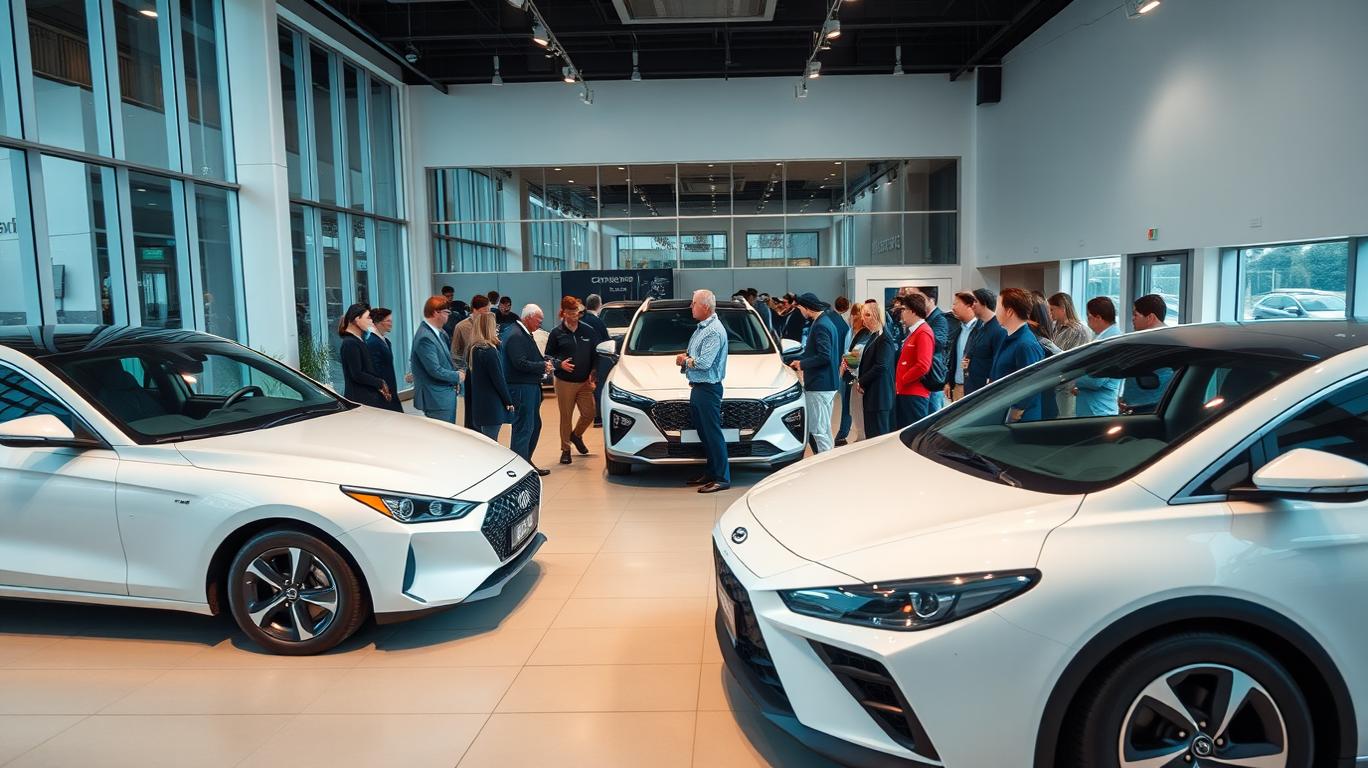
The recall, which affects vehicles produced between 2022 and 2024, is estimated to cost around $100 per vehicle for replacing the faulty charging units and updating the software. For over 208,000 affected vehicles, this totals approximately $20.8 million. Hyundai and Kia have indicated that they will cover these expenses, which should not significantly impact their financial stability. However, the recall could temporarily dent their sales and market share as owners address the power loss issue.
In the short term, competitors like Tesla, GM, and Ford may attempt to capitalize on this situation by differentiating their EVs and highlighting their safety features and quality control measures. However, Hyundai and Kia's proactive response to the recall and their commitment to addressing the issue could help mitigate any long-term damage to their market reputation.
Long-term, Hyundai and Kia's competitive pricing and diverse EV model range should allow them to maintain or even bolster their market share. As the EV market continues to grow, investors should watch how these companies address the recall and their overall strategy for maintaining their competitive edge.
In conclusion, the recall of over 208,000 electric vehicles by Hyundai and Kia serves as a reminder that even pioneering EV manufacturers face growing pains. While the recall may cause temporary disruptions in sales and production, the companies' commitment to addressing the issue and their strong brand loyalty should help them weather this challenge. Investors should keep an eye on the situation, as Hyundai and Kia's response will be a key indicator of their long-term prospects in the competitive EV market.
The recall, which affects vehicles produced between 2022 and 2024, is estimated to cost around $100 per vehicle for replacing the faulty charging units and updating the software. For over 208,000 affected vehicles, this totals approximately $20.8 million. Hyundai and Kia have indicated that they will cover these expenses, which should not significantly impact their financial stability. However, the recall could temporarily dent their sales and market share as owners address the power loss issue.
In the short term, competitors like Tesla, GM, and Ford may attempt to capitalize on this situation by differentiating their EVs and highlighting their safety features and quality control measures. However, Hyundai and Kia's proactive response to the recall and their commitment to addressing the issue could help mitigate any long-term damage to their market reputation.
Long-term, Hyundai and Kia's competitive pricing and diverse EV model range should allow them to maintain or even bolster their market share. As the EV market continues to grow, investors should watch how these companies address the recall and their overall strategy for maintaining their competitive edge.
In conclusion, the recall of over 208,000 electric vehicles by Hyundai and Kia serves as a reminder that even pioneering EV manufacturers face growing pains. While the recall may cause temporary disruptions in sales and production, the companies' commitment to addressing the issue and their strong brand loyalty should help them weather this challenge. Investors should keep an eye on the situation, as Hyundai and Kia's response will be a key indicator of their long-term prospects in the competitive EV market.

Divulgación editorial y transparencia de la IA: Ainvest News utiliza tecnología avanzada de Modelos de Lenguaje Largo (LLM) para sintetizar y analizar datos de mercado en tiempo real. Para garantizar los más altos estándares de integridad, cada artículo se somete a un riguroso proceso de verificación con participación humana.
Mientras la IA asiste en el procesamiento de datos y la redacción inicial, un miembro editorial profesional de Ainvest revisa, verifica y aprueba de forma independiente todo el contenido para garantizar su precisión y cumplimiento con los estándares editoriales de Ainvest Fintech Inc. Esta supervisión humana está diseñada para mitigar las alucinaciones de la IA y garantizar el contexto financiero.
Advertencia sobre inversiones: Este contenido se proporciona únicamente con fines informativos y no constituye asesoramiento profesional de inversión, legal o financiero. Los mercados conllevan riesgos inherentes. Se recomienda a los usuarios que realicen una investigación independiente o consulten a un asesor financiero certificado antes de tomar cualquier decisión. Ainvest Fintech Inc. se exime de toda responsabilidad por las acciones tomadas con base en esta información. ¿Encontró un error? Reportar un problema


SOBRE NOSOTROS
Nuestra historiaAutores de noticiasBase de conocimientosPolítica de privacidadTérmino de usoDescargo de responsabilidad de corretaje de tercerosTérminos de uso de AIMEDivulgaciones de riesgos de AInvest AICarrerasCONTÁCTENOS
Email: support@ainvest.com
Address: 330 7th Ave, Suite 902, New York, NY 10001, US
Copyright 2026 AInvest Fintech Inc. All rights reserved.


Comentarios
Aún no hay comentarios