
Hyundai's 1% Play: Mastering the Tariff Gauntlet Through Strategic Resilience
The automotive industry is in the throes of a historic reckoning. As U.S. tariffs under the Trump administration escalate to unprecedented levels—now capping at 50% on non-USMCA compliant vehicles—companies like Hyundai are proving that survival hinges not on sheer scale, but on tactical precision. A 1% price hike announced this spring may seem modest, but it's a masterstroke of strategic resilience. For investors, this is a blueprint for evaluating which automakers can thrive in an era of supply chain chaos. Let's dissect why Hyundai's measured response isn't just damage control—it's a competitive advantage.
The Tariff Tsunami: A Timeline of Pressure
The stakes crystallized in March 2025, when 25% tariffs on imported vehicles and parts went into effect. By April, a layered “fentanyl” tariff pushed rates to 50% for non-compliant imports, while global retaliatory measures (China's 10% duty, U.S. reciprocal tariffs) further strained global supply chains. For Hyundai—a company with 50% of its U.S. sales relying on Korean imports—the mathMATH-- was stark: non-U.S. content in models like the Santa Fe or Ioniq 5 now carried a 50% tax risk. Yet instead of panicking, Hyundai chose a scalpel over a sledgehammer.
Localization: The New Competitive Frontier
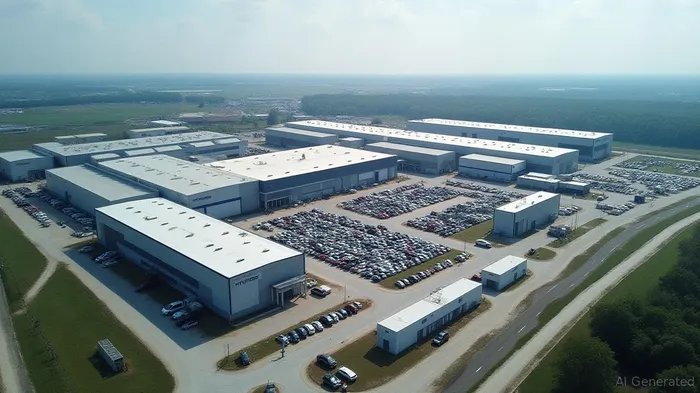
Hyundai's response reveals a calculated pivot to localization. Consider the Tucson: production shifted from Mexico to the U.S. in 2025, a move that slashed tariff exposure but required navigating higher labor and regulatory costs. The result? A $53,000 average U.S.-built model versus $42,000 for Mexico-made rivals—a gap Hyundai mitigated through strategic pricing. Meanwhile, its U.S. factories (Alabama, Georgia) now handle 50% of its lineup, with plans to expand EV production to meet IRA incentives while avoiding tariff landmines.
The 1% Pricing Gambit: Precision Over Panic
The 1% price increase—applied to all U.S. models in April/May 2025—is a study in nuance. Unlike rivals who slashed incentives or hiked base prices, Hyundai opted for subtlety: raising fees on optional features (leather seats, tech packages) while keeping base prices stable. This approach preserved affordability for budget models like the Elantra (under $30k) while shielding margins. The data speaks volumes: new car prices rose just 0.8% year-over-year, yet Hyundai's U.S. market share held steady at 8%, defying industry-wide declines.
Why This Matters for Investors
This isn't just about tariffs—it's a stress test for global supply chain agility. Hyundai's dual focus on localization and granular pricing control offers three key lessons for investors:
Cost Controls Matter More Than Ever: Automakers with high foreign content (e.g., Tesla's Mexico gigafactory delays) face margin erosion. Hyundai's 60–80% foreign content in some models would be catastrophic under 50% tariffs—but its U.S. production pivot sidesteps this.
Localization = Tariff Immunity: Every percentage point of U.S. content reduces tariff risk. Hyundai's 50% U.S. production base creates a moat against competitors still reliant on imports.
Pricing Discipline Wins Loyalty: Rivals like Genesis (Hyundai's luxury brand) saw lease incentives drop 15%, but Hyundai's subtle price hikes avoided alienating buyers. This balance is critical as car insurance rates surge 10% due to tariff-driven cost inflation.
The Investment Thesis: Hyundai's Playbook as a Sector Benchmark
Investors should scrutinize automakers through Hyundai's lens:- Supply Chain Diversification: Companies with flexible production (e.g., Toyota's North American plants) or tariff-compliant USMCA designs gain pricing power.- Margin Resilience: Look for firms maintaining high gross margins despite tariffs—Hyundai's Q1 2025 margins held at 7%, outperforming Ford's 5.8%.- Price Elasticity: Avoid brands hiking base prices; favor those using optional fees or localized production to shield affordability.
The Bottom Line: Ride the Resilience Wave
Hyundai's 1% price hike isn't a retreat—it's a strategic advance. In an industry where every percentage point of tariff exposure erodes profits, its localization-first, precision-pricing model is a lifeline. For investors, this isn't just about buying a stock—it's about backing a company that's rewriting the rules of survival in a fractured global market. The automakers that thrive here will define the next decade of automotive leadership. Hyundai is already in the driver's seat.







Comentarios
Aún no hay comentarios