
Hyperliquid News Today: Hyperliquid Spikes 4% After Burning $912M in HYPE Tokens
Hyperliquid Foundation has announced the permanent burn of 11.068% of the circulating HYPE token supply, a move aimed at reinforcing the token's deflationary mechanics and enhancing its value proposition. The burned tokens, amounting to 37.5 million HYPE, were held in the protocol's Assistance Fund and were transferred to an inaccessible address as part of a validator-approved governance proposal. The action, which garnered 85% support from stakers, has effectively removed $912 million worth of tokens from circulation.
The decision comes amid ongoing concerns over the token's supply dynamics, with critics highlighting the structural inflationary pressures caused by regular unlocks of founder and contributor tokens. Despite record revenues and high trading volumes, the HYPE token has seen a nearly 60% decline from its September peak. Proponents of the burn argue it addresses these supply issues by reducing the circulating supply and potentially stabilizing the token's price.
The burn has been positioned as a strategic step to align the interests of the Hyperliquid team and its token holders. The project has emphasized that current insiders are prohibited from engaging in leveraged trading on HYPE tokens, with violations leading to immediate termination. This policy is intended to foster trust and ensure long-term ecosystem alignment. The burn also aligns with broader governance efforts to improve transparency and clarity around token supply metrics.
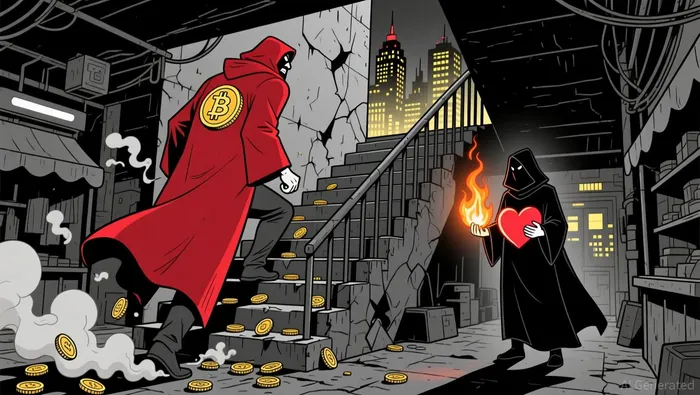
Why the Standoff Happened
The need for the burn arose from ongoing debates over the token's supply and its impact on market sentiment. Critics pointed to the large number of tokens scheduled to unlock over the next several years, which created sustained selling pressure. The Assistance Fund, which collects tokens from trading fees, had accumulated a significant portion of the token supply, yet these tokens were still counted in circulating supply despite being inaccessible. The decision to burn them was seen as a way to correct this discrepancy.
Hyperliquid's CEO David Schamis highlighted the economic reality that these tokens were already effectively inaccessible, noting that their removal from official supply calculations would bring the project's tokenomics in line with market expectations. The move was also intended to address concerns from institutional investors, who have scrutinized the token's supply structure and potential dilution risks.
How Markets Reacted
Market reactions to the burn were mixed. In the immediate aftermath of the governance vote, HYPE experienced a modest 4% rebound, with the token approaching the $25 level. However, the broader bearish sentiment remained, as speculative interest in HYPE had declined by 50% by late 2025. Analysts noted that while the burn could reduce selling pressure and increase scarcity, it would need to be accompanied by strong demand and positive market conditions to drive a sustained price increase.
Technical indicators suggested that a breakout above $28 could confirm a bullish reversal, but the token has yet to achieve this level. On-chain data also showed that the burn did not immediately resolve the structural pressures from ongoing unlocks, which continue to introduce new tokens into the market. Some observers argued that the burn was a symbolic gesture rather than a long-term solution to the token's price challenges.
What Analysts Are Watching
Analysts are closely monitoring how the burn affects HYPE's price trajectory and market behavior. Historical data from similar deflationary tokens suggests that token burns can lead to price increases if they reduce supply while demand remains steady or grows. However, in HYPE's case, the market's response will depend on broader economic factors, including Bitcoin's performance and macroeconomic conditions such as interest rates.
One analyst drew parallels between the current situation and the first quarter of 2025, when the price of HYPE touched its average buyback cost and triggered a strong uptrend. If the current price action mirrors that period, it could signal a potential reversal. However, this outcome will require sustained buying pressure and confidence from both retail and institutional investors.
Risks to the Outlook
Despite the positive steps taken by Hyperliquid, several risks remain for the HYPE token's future performance. The ongoing monthly unlocks, which will continue until late 2027, represent a significant structural challenge. These unlocks introduce a large volume of new tokens into the market, potentially overwhelming the deflationary effects of the burn and buyback program.
Additionally, the competitive landscape for decentralized exchanges remains intense, with other platforms offering attractive incentives and features that could siphon off trading volume from Hyperliquid. Any loss of market share would further pressure the token's demand and price. Furthermore, macroeconomic conditions, particularly interest rate trends, will play a critical role in determining whether altcoins like HYPE can recover in 2026.
What This Means for Investors
For investors, the burn represents a step toward improving the token's fundamentals, but it should not be viewed as a guarantee of price appreciation. The deflationary mechanics now in place may help stabilize the token in the long run, but short-term volatility is likely to persist. Investors are advised to closely monitor key resistance levels, on-chain metrics, and broader market conditions to gauge the potential for a sustained recovery.
The burn also highlights the importance of governance in decentralized protocols. By securing community approval for the burn, Hyperliquid has demonstrated its commitment to transparency and accountability. This could bolster investor confidence in the project's long-term vision and its ability to adapt to market challenges.







Comentarios
Aún no hay comentarios