
Hydrogen's Climate Crossroads: How Leak Detection Tech Could Be the $150 Billion Breakthrough
As the EU’s 2030 hydrogen targets loom—10 million metric tons of renewable hydrogen production domestically by decade’s end—the race to build a safe, scalable hydrogen economy is intensifying. Yet, a critical obstacle remains: leaks.
Hydrogen’s invisibility, flammability, and potential greenhouse gas impacts (if leaked, it can contribute to atmospheric water vapor, a potent climate driver) have turned leak detection from a niche concern into a $150 billion market catalyst. For energy giants like ShellSHEL-- and TotalEnergies, investing in advanced leak detection isn’t just about compliance—it’s a survival strategy.
The EU’s 2030 Hydrogen Targets: A Double-Edged Sword
The EU’s mandate to produce 10 Mt of renewable hydrogen by 2030—paired with strict safety standards—has created a golden opportunity for leak detection technology providers. However, progress is lagging: only 2% of EU hydrogen projects have moved beyond the concept phase, with 98% stalled in feasibility studies due to funding delays, supply chain bottlenecks, and regulatory uncertainty.
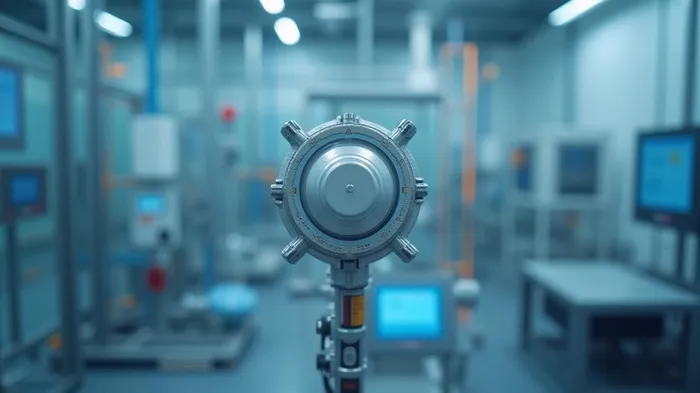
But here’s the rub: leaks are the Achilles’ heel of hydrogen’s “green” narrative. Without robust detection systems, even small hydrogen leaks could undermine its climate credentials. Enter companies like Aerodyne Research, whose $150,000 laser-based sensors can detect hydrogen at parts-per-billion concentrations in real time—a critical tool for operators aiming to meet EU safety mandates and avoid reputational damage.
Why Leak Detection Is a Must-Have, Not a Nice-to-Have
- Regulatory Risk Mitigation: The EU’s 2024-2025 hydrogen safety standards now require facilities to integrate leak detection systems that trigger automatic shutdowns within microseconds of a breach. Fines for non-compliance could hit €10 million per incident, making preventive tech a cost-effective hedge.
- Reputational Capital: A single leak incident could tarnish a company’s ESG profile. For firms like Shell, which has pledged to become a net-zero energy company by 2050, deploying Aerodyne’s sensors is a preemptive strike against activist campaigns and investor skepticism.
- Market Access: The EU’s hydrogen backbone infrastructure projects (e.g., the Germany-Denmark corridor) will prioritize partners with proven leak detection systems. Early adopters gain first-mover advantage in securing lucrative contracts.
The Investment Playbook: Where to Allocate Capital
1. Leak Detection Technology Providers
- Aerodyne Research: With its $150K sensors and partnerships with TotalEnergies, Aerodyne is positioned to dominate the EU’s $4.2 billion leak detection market by 2027.
- Competitors to Watch: Companies like H2Scan (developer of portable hydrogen sensors) and Gastec (specializing in AI-driven leak analytics) could disrupt the space as EU mandates tighten.
2. Hydrogen Producers with Proactive Leak Prevention
- TotalEnergies: Already investing in Aerodyne’s tech for its hydrogen electrolysis plants, TotalEnergies is reducing operational risks and signaling ESG leadership to investors.
- Air Products & Chemicals: With projects tied to the EU’s Hy2Infra initiative, Air Products is integrating real-time leak monitoring into its hydrogen transport infrastructure—a strategic move to attract institutional capital.
The Hidden Risk: Supply Chain Vulnerabilities
While leak detection tech is critical, the EU’s overreliance on Chinese electrolyser manufacturers (which control 80% of large-scale production) poses a geopolitical wildcard. Investors should favor firms with domestic supply chain partnerships, such as ITM Power, which recently secured UK government grants to scale UK-based electrolyser production.
Final Analysis: Act Now, or Pay Later
The EU’s 2030 targets are a deadline-driven opportunity. By 2025, hydrogen infrastructure projects will either secure funding or collapse under regulatory scrutiny. Leak detection providers and hydrogen producers with advanced safety protocols stand to capture 40-60% gross margins on EU-funded projects—a profit tailwind unmatched in other green tech sectors.
The Bottom Line: Hydrogen’s climate impact hinges on leak prevention. Investors who back detection tech leaders and hydrogen firms with zero-leak strategies will be positioned to profit as the EU’s clean energy transition shifts from ambition to action. Delaying entry risks missing the next wave of green infrastructure growth.
This article is for informational purposes only. Always consult a financial advisor before making investment decisions.





Comentarios
Aún no hay comentarios