
Hydrofarm Holdings Group: Navigating Challenges Ahead of Q1 2025 Earnings
Hydrofarm Holdings Group (NASDAQ: HYFM), a leader in hydroponics and controlled environment agriculture (CEA), is set to release its first-quarter 2025 earnings on May 13, 2025. The report will serve as a critical test of the company’s ability to stabilize its performance amid a challenging cannabis market and evolving industry dynamics. With declining sales, widening net losses, and a focus on cost discipline, investors will scrutinize whether Hydrofarm’s strategic shifts—such as its pivot to proprietary brands—can offset headwinds.
A Company in Transition
Hydrofarm’s core business revolves around equipment for CEA, including grow lights, climate control systems, and nutrient solutions. Over 40 years, the company has built a reputation as a go-to supplier for cannabis cultivators, farmers, and hobbyist growers. However, its recent struggles stem from oversupply in the cannabis sector, which has reduced demand for hydroponic equipment and pressured pricing.
Financial Struggles Highlight Structural Challenges
Hydrofarm’s financial performance has deteriorated sharply in recent quarters:
- Net Sales: Fell to $190.3 million in 2024, a 16% drop from 2023, with Q4 2024 revenue plummeting 20.9% year-over-year to $37.3 million.
- Net Loss: Expanded to $66.7 million in 2024, driven by margin compression and inventory write-downs.
- Adjusted EBITDA: Turned sharply negative (-$(5.2 million) in 2024), down from a slight positive in 2023.
The company’s 2025 guidance paints a cautious picture:
- Sales: Expected to fall 10–20% further year-over-year, reflecting ongoing cannabis market weakness.
- Adjusted EBITDA: Anticipated to remain negative but improve from 2024.
Strategic Shifts and Opportunities
Despite the downturn, Hydrofarm has implemented measures to reposition its business:
1. Proprietary Brands: Now account for 56% of sales (up from 35% in 2020), focusing on higher-margin products like the Gaia Green Organics fertilizer line and Innovative Growers Equipment (IGE) systems. This strategy aims to reduce reliance on commoditized products.
2. Cost Reduction: SG&A expenses were cut 16.6% in 2024, and manufacturing space was reduced by 60% to streamline operations.
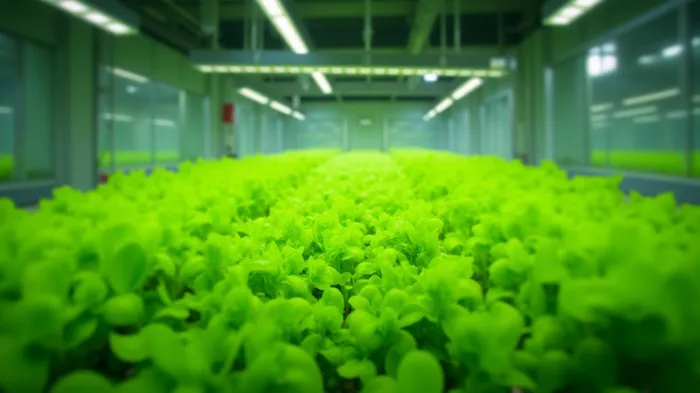
3. Market Diversification: Expanding into non-cannabis markets, such as vertical farming for leafy greens, and boosting e-commerce sales, which rose 30% in 2024.
Risks and Industry Dynamics
The cannabis industry’s oversupply crisis remains the primary risk. With U.S. cannabis sales projected to hit $45 billion by 2025, demand for cultivation equipment should eventually rebound. However, growers are delaying capital expenditures until prices stabilize.
Another concern is regulatory uncertainty. While federal legalization could unlock new markets, Hydrofarm’s operations are hampered by banking restrictions and cross-state trade barriers.
Q1 2025 Earnings: What to Watch
Investors should focus on three key metrics:
1. Revenue Performance: Will the decline align with the 10–20% annual guidance? A sharper drop could signal deeper industry issues.
2. Margin Trends: Did gross profit margins improve due to higher proprietary sales? Q4 2024 margins hit a low of 4.9%, so recovery here is critical.
3. Cash Flow: With $26.1 million in cash as of Q4 2024, will free cash flow remain positive? Negative cash flow could force further cost cuts or debt refinancing.
Conclusion: A High-Risk, High-Reward Play
Hydrofarm’s Q1 2025 results will determine whether its restructuring efforts are bearing fruit. On one hand, its shift to proprietary brands and cost discipline are logical moves to improve margins. The cannabis industry’s long-term growth trajectory—projected to hit $101 billion by 2026—supports the company’s potential.
However, the near-term risks are significant. A sales decline at the upper end of guidance (20%) could strain liquidity, while margin compression might persist if cannabis oversupply worsens.
Investors should weigh Hydrofarm’s $31.0 million market cap against its $119 million debt load and $26 million cash reserves. The company’s reverse stock split (announced in February 2025) to avoid Nasdaq delisting highlights its precarious position.
In the end, Hydrofarm’s story hinges on two factors: cannabis market stabilization and execution of its brand strategy. Until these uncertainties resolve, the stock remains a speculative bet for investors willing to accept high volatility in exchange for potential upside in a growing CEA market.
Final Takeaway: Hydrofarm’s Q1 2025 earnings will either confirm its path to recovery or amplify concerns about its viability. Monitor sales trends, margin improvements, and cash flow closely—these metrics will define the company’s next chapter.







Comentarios
Aún no hay comentarios