
Hydro One's Welland-Thorold Transmission Line and Its Impact on Ontario's Energy Infrastructure
Energy Security: A Foundation for Resilience
Hydro One's recent partnership with First Nations to develop a 260-kilometre, 500-kilovolt transmission line in Northeast Ontario underscores a strategic shift toward grid modernization. According to a report by Reuters, this project, slated for completion by 2030, is designed to address surging electricity demand while integrating renewable energy sources. The initiative aligns with global efforts to enhance grid reliability, as seen in Europe, where advanced simulation tools are being deployed to manage decentralized energy systems. These developments highlight a universal truth: robust infrastructure is the bedrock of energy security.
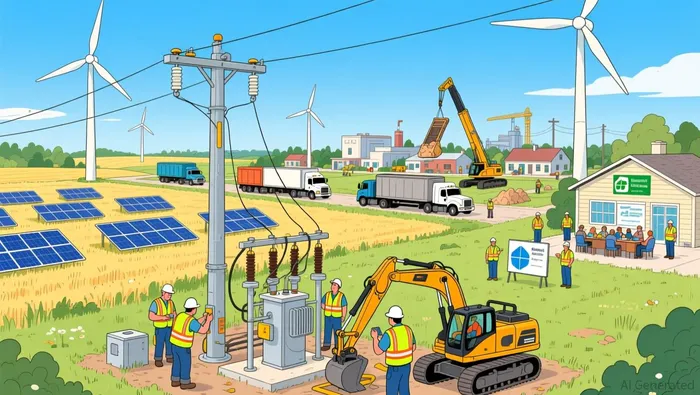
Economic Growth: Beyond the Grid
Transmission lines are more than conduits for electricity; they are engines of economic activity. The Welland-Thorold region, though lacking direct project specifics, stands to benefit from Hydro One's broader investments. For instance, the RioSol Transmission Project in New Mexico-a 500 kV line paired with a synchronous condenser system-demonstrates how such infrastructure can attract industries reliant on stable, low-cost energy. While geographically distinct, this example illustrates a universal dynamic: infrastructure projects create jobs, stimulate local supply chains, and position regions as hubs for innovation.
Strategic Investment in a Global Context
The urgency of modernizing energy infrastructure is amplified by global energy transitions. As intermittent renewables like wind and solar become central to power systems, grids must evolve to handle variability and decentralization. Hydro One's Northeast Ontario project, with its focus on reliability and scalability, mirrors Europe's adoption of simulation software to optimize grid performance. For Ontario, this means not only meeting current demand but also future-proofing against disruptions-a critical consideration as climate risks and geopolitical uncertainties intensify.
Conclusion: A Catalyst for the Future
While the Welland-Thorold Transmission Line's specifics remain under wraps, its potential to bolster Ontario's energy infrastructure is evident through Hydro One's broader initiatives. By prioritizing partnerships, renewable integration, and grid resilience, the province is positioning itself as a leader in the clean energy economy. For investors, this signals a compelling opportunity: infrastructure that aligns with both economic and environmental imperatives.







Comentarios
Aún no hay comentarios