
Hyatt's Strategic Expansion in China: A Blueprint for Luxury Hospitality's Post-Pandemic Renaissance
The global luxury hospitality sector is undergoing a profound transformation, driven by shifting consumer preferences, technological innovation, and the post-pandemic rebound in travel demand. At the forefront of this evolution is Hyatt Hotels CorporationH--, whose recent foray into Shanghai with the Unbound Collection brand exemplifies a calculated approach to capturing the premium travel market in Asia. As the company unveils the Mumian Shanghai Expo—a 332-room waterfront property in the Pudong Expo area—Hyatt is not merely entering a new market; it is redefining the parameters of luxury hospitality in a region where cultural authenticity and hyper-personalization are becoming non-negotiables for discerning travelers.
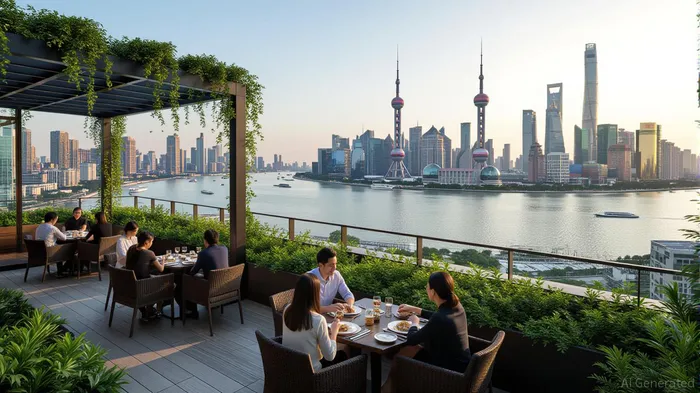
The Shanghai Play: A Microcosm of Global Trends
Hyatt's Shanghai debut is emblematic of broader trends reshaping the luxury hospitality landscape. The property's emphasis on curated experiences—such as the Xiao Nan Yang Restaurant's private dining rooms and the 18,300ft² Zhuguang Art Gallery—reflects a shift from generic opulence to immersive, culturally rooted offerings. This aligns with post-pandemic consumer behavior, where travelers seek destinations that offer both escapism and meaningful connections to local heritage. The proximity to Shanghai's cultural landmarks, including the Power Station of Art, further cements the property's role as a bridge between global luxury and regional identity.
The strategic timing of this expansion is equally telling. Asia-Pacific is projected to lead global hotel market growth at a 7.5% CAGR, with its market size expected to surpass $800 billion by 2024. Hyatt's focus on the Unbound Collection—a brand that thrives on bespoke, independently owned properties—positions it to capitalize on the rising demand for boutique luxury. This segment, which has grown fivefold since 2017, caters to travelers who prioritize uniqueness over uniformity, a demographic that now accounts for 64% of Hyatt's Asia-Pacific luxury and upper-upscale portfolio.
Brand Differentiation in a Crowded Market
The Unbound Collection's success in Shanghai hinges on its ability to differentiate itself from both international competitors and local luxury brands. While global chains like MarriottMAR-- and Accor are expanding their luxury portfolios, they face stiff competition from regional players such as China's Six Senses and Japan's Aman Resorts, which offer deeply localized experiences. Hyatt's response? A hybrid model that combines global operational excellence with local cultural curation.
The Mumian Shanghai Expo, for instance, is managed by Heidi Tang, a local leader who embodies the brand's commitment to “the storied art of living.” This approach mirrors broader industry strategies, where global chains are increasingly partnering with local culinary experts, artists, and community stakeholders to enhance authenticity. Such collaborations not only strengthen brand equity but also align with the growing consumer demand for sustainable and regenerative tourism practices.
Investment Implications: Where to Place Bets in the New Luxury Economy
Hyatt's expansion underscores three key investment opportunities in the luxury hospitality sector:
Luxury Real Estate in Emerging Markets
The Asia-Pacific region's growing middle and upper classes are fueling demand for premium hospitality assets. Developers and hotel operators are prioritizing properties that integrate wellness amenities (e.g., spa retreats, fitness centers) and sustainable design. For investors, this points to opportunities in mixed-use developments that combine residential, commercial, and hospitality functions.Hospitality Technology Innovation
The sector's embrace of AI-driven personalization, contactless services, and robotic automation is reshaping operational efficiency. Hyatt's use of data analytics to tailor guest experiences—from room preferences to curated local tours—highlights the importance of tech integration. Investors should monitor companies specializing in AI-powered guest management systems and IoT-enabled infrastructure.Consumer Discretionary Sectors in Asia
The post-pandemic surge in luxury travel is part of a larger trend of discretionary spending in emerging markets. This extends beyond hospitality to include high-end retail, fine dining, and experiential tourism. For example, the rise of “wellness tourism” has spurred demand for hotels offering holistic health programs, a niche Hyatt is addressing through its partnerships with local wellness experts.
The Road Ahead: Balancing Innovation and Tradition
Hyatt's Shanghai venture is not without risks. Rising construction costs, supply chain disruptions, and shifting consumer preferences could test the resilience of its strategy. However, the company's track record of adapting to market dynamics—such as its rapid expansion of the Thompson Hotels and Park Hyatt brands—suggests a capacity for agility.
For investors, the key takeaway is clear: the luxury hospitality sector in Asia is entering a phase of innovation-driven growth. Companies that successfully blend technological advancement with cultural authenticity, while prioritizing sustainability and employee well-being, will emerge as leaders. Hyatt's Unbound Collection, with its Shanghai debut, is a testament to this vision—and a compelling case study for those seeking to navigate the complexities of the post-pandemic luxury economy.
As the global travel industry continues to rebound, the question is no longer whether luxury hospitality will recover, but how it will evolve. Hyatt's strategic bets in China and beyond offer a roadmap for investors willing to embrace the future of premium travel.





Comentarios
Aún no hay comentarios