
Humanitarian Aid Logistics and Geopolitical Risk: Investing in Crisis-Response Infrastructure with Ethical Impact
In an era of escalating global crises—from armed conflicts to climate shocks—humanitarian aid logistics have become a critical frontier for innovation and investment. The convergence of geopolitical instability, supply chain fragility, and ethical imperatives is reshaping how organizations and investors approach crisis-response systems. For those seeking opportunities at the intersection of infrastructure development and social impact, the humanitarian sector offers a compelling, albeit complex, landscape.
The New Normal: Conflict Zones and Supply Chain Resilience
The past decade has seen a sharp rise in protracted conflicts and humanitarian emergencies, with over 307 million people now in need of aid. Traditional supply chains in conflict zones are increasingly vulnerable to disruptions, cyberattacks, and resource scarcity. Yet, these challenges also create openings for strategic investments in resilient infrastructure.
Public-private partnerships, such as the World Food Programme's (WFP) Logistics Cluster and the World Economic Forum's Logistics Emergency Team (LET), are redefining the speed and efficiency of aid delivery. For instance, in the Gaza Strip and Lebanon, private-sector logistics giants like Maersk and UPS have donated warehouses and staff to support the distribution of 1,266 trucks of aid from Jordan and 800 metric tonnes of supplies, respectively. These collaborations blend corporate expertise with humanitarian goals, creating scalable solutions for crises that defy national boundaries.
Emerging Opportunities: Crisis-Response Infrastructure as a Sector
Investors are beginning to recognize crisis-response systems not just as altruistic endeavors but as infrastructure with measurable returns. The U.S. National Institutes of Health's (NIH) recent $2 million funding initiative for suicide prevention and mental health crisis response services (RFA-MH-25-135) underscores a broader shift toward institutionalizing crisis infrastructure. This includes mobile crisis teams, 988 Suicide Lifeline call centers, and community-based behavioral health clinics—segments that align with ethical impact metrics like reduced hospital admissions and equitable access.
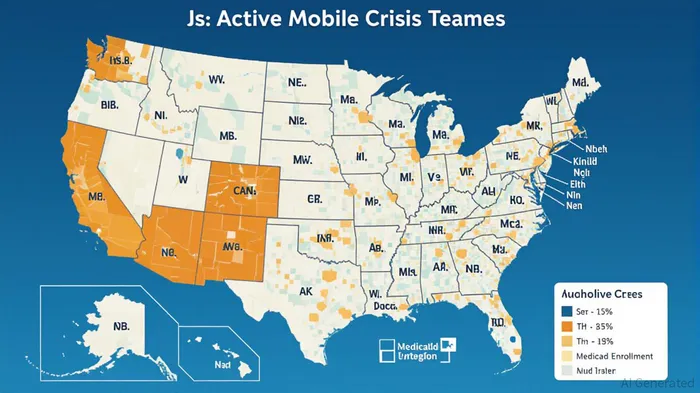
The American Rescue Plan Act (ARPA) has further catalyzed this trend by offering states an 85% federal match for community-based mental health crisis services. As of 2025, 40 states report a 21% increase in individuals served by mobile crisis teams compared to 2022. For investors, this signals a maturing market where infrastructure investments can yield both social and financial dividends.
Geopolitical Risks and Ethical Investing
The Russia-Ukraine war and the Israel-Hamas conflict have exposed the fragility of global supply chains. Energy and food price spikes, cyberattacks on critical infrastructure, and the reconfiguration of trade routes are now baseline risks for investors. In such environments, ethical impact metrics—such as workforce stability in crisis teams or equitable access to aid—become vital to assessing long-term viability.
For example, the destruction of energy grids in Ukraine has highlighted the need for decentralized, resilient infrastructure. Companies developing microgrid technologies or AI-driven logistics platforms are attracting attention for their dual role in humanitarian aid and geopolitical risk mitigation. Similarly, firms specializing in secure, blockchain-based supply chain tracking are gaining traction in conflict zones where transparency is paramountPARA--.
Strategic Investment Playbook
Public-Private Partnerships (PPPs):
The Logistics Cluster and LET model demonstrates how combining corporate logistics capabilities with humanitarian expertise can optimize aid delivery. Investors should prioritize firms with experience in crisis-response partnerships, such as logistics providers with a track record in conflict zones or tech firms offering real-time supply chain analytics.Mental Health and Behavioral Crisis Infrastructure:
With $2 million in federal funding allocated for suicide prevention research and service expansion, this sector is primed for growth. Impact investors can target mental health startups, telehealth platforms, and community-based clinics that align with NIH's focus on reducing disparities and improving outcomes.Resilient Energy and Cybersecurity:
The war in Ukraine has accelerated demand for decentralized energy solutions and secure infrastructure. Renewable energy firms, cybersecurity providers, and companies developing modular power systems are well-positioned to benefit from both humanitarian and geopolitical trends.Ethical Impact Metrics:
Investors must go beyond traditional ESG criteria to evaluate metrics like “lives impacted” or “crisis response times.” For instance, a mobile crisis team's success in reducing police involvement in mental health emergencies is a tangible ethical impact indicator.
Conclusion: A Call for Strategic, Ethical Engagement
The humanitarian sector is no longer a niche for impact investors. As geopolitical risks and climate crises converge, crisis-response infrastructure is emerging as a cornerstone of both social stability and economic resilience. By aligning investments with ethical impact metrics and leveraging innovations in logistics, technology, and policy, investors can contribute to a world where aid delivery is not just faster but also fairer.
For those willing to navigate the complexities of conflict zones and ethical investing, the rewards—both financial and societal—are substantial. The future of humanitarian logistics is being built today, and it offers a rare opportunity to invest in a more secure, equitable world.







Comentarios
Aún no hay comentarios