
Huawei Unveils CloudMatrix 384 AI Computing System
PorAinvest
domingo, 27 de julio de 2025, 7:46 pm ET1 min de lectura
NVDA--
The CloudMatrix 384 system showcases Huawei's prowess in system-level innovation, compensating for weaker individual chip performance by clustering a large number of processors and optimizing the interconnect fabric. This approach has enabled the system to deliver around 300 PFLOPS of performance, surpassing Nvidia's 72-chip GB200 NVL72 system, which offers roughly 180 PFLOPS [2].
The unveiling of the CloudMatrix 384 is particularly noteworthy in the context of volatile U.S. export policies. The U.S. ban on Nvidia's H20 chip in April created a market vacuum in China, accelerating Huawei's efforts to fill the void. The system's operational status on Huawei's cloud platform further cements its viability as a tangible option for Chinese customers who may be cut off from top-tier U.S. tech [2].
The strategic move by Huawei aligns with China's broader push for technological self-sufficiency. By focusing on system-level innovation rather than competing on single-chip performance, Huawei has demonstrated a robust approach to AI computing. However, the high energy consumption of the CloudMatrix 384, estimated at 559 kW, is a significant trade-off that must be considered [2].
The dynamic between Huawei and Nvidia is further complicated by the ongoing U.S. export policy whiplash. The recent reversal in the ban on Nvidia's H20 chip has reignited the debate over how to manage the tech rivalry with China. Despite the policy shifts, Huawei's strategic advantage in the Chinese market appears to be solidified, as the company has capitalized on the market vacuum created by the export restrictions [2].
References:
[1] Reuters. (2025, July 26). Huawei shows off AI computing system rival to Nvidia's top product. Retrieved from https://www.reuters.com/world/china/huawei-shows-off-ai-computing-system-rival-nvidias-top-product-2025-07-26/
[2] WinBuzzer. (2025, July 27). Huawei showcases CloudMatrix 384 AI system challenging Nvidia amid U.S. policy turmoil. Retrieved from https://winbuzzer.com/2025/07/27/huawei-showcases-cloudmatrix-384-ai-system-challenging-nvidia-amid-u-s-policy-turmoil-xcxwbn/
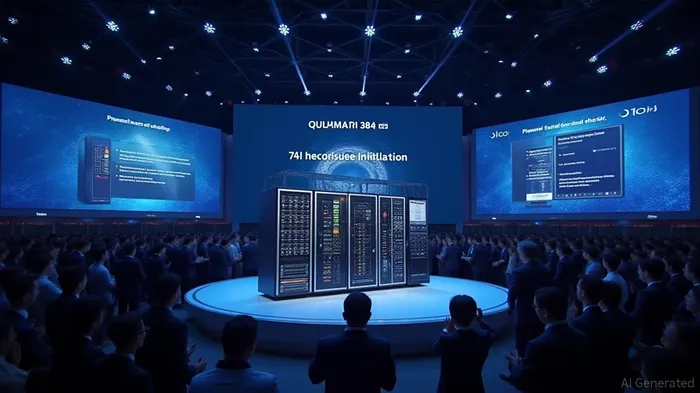
Huawei Technologies has unveiled its CloudMatrix 384 AI computing system, which rivals Nvidia's most advanced offering. The system made its first public debut at the World Artificial Intelligence Conference.
Huawei Technologies has made a significant stride in the artificial intelligence (AI) computing sector with the public debut of its CloudMatrix 384 system at the World Artificial Intelligence Conference (WAIC) in Shanghai. The system, which incorporates 384 of Huawei's latest 910C chips, is positioned as a direct competitor to Nvidia's top-tier product, the GB200 NVL72 [1].The CloudMatrix 384 system showcases Huawei's prowess in system-level innovation, compensating for weaker individual chip performance by clustering a large number of processors and optimizing the interconnect fabric. This approach has enabled the system to deliver around 300 PFLOPS of performance, surpassing Nvidia's 72-chip GB200 NVL72 system, which offers roughly 180 PFLOPS [2].
The unveiling of the CloudMatrix 384 is particularly noteworthy in the context of volatile U.S. export policies. The U.S. ban on Nvidia's H20 chip in April created a market vacuum in China, accelerating Huawei's efforts to fill the void. The system's operational status on Huawei's cloud platform further cements its viability as a tangible option for Chinese customers who may be cut off from top-tier U.S. tech [2].
The strategic move by Huawei aligns with China's broader push for technological self-sufficiency. By focusing on system-level innovation rather than competing on single-chip performance, Huawei has demonstrated a robust approach to AI computing. However, the high energy consumption of the CloudMatrix 384, estimated at 559 kW, is a significant trade-off that must be considered [2].
The dynamic between Huawei and Nvidia is further complicated by the ongoing U.S. export policy whiplash. The recent reversal in the ban on Nvidia's H20 chip has reignited the debate over how to manage the tech rivalry with China. Despite the policy shifts, Huawei's strategic advantage in the Chinese market appears to be solidified, as the company has capitalized on the market vacuum created by the export restrictions [2].
References:
[1] Reuters. (2025, July 26). Huawei shows off AI computing system rival to Nvidia's top product. Retrieved from https://www.reuters.com/world/china/huawei-shows-off-ai-computing-system-rival-nvidias-top-product-2025-07-26/
[2] WinBuzzer. (2025, July 27). Huawei showcases CloudMatrix 384 AI system challenging Nvidia amid U.S. policy turmoil. Retrieved from https://winbuzzer.com/2025/07/27/huawei-showcases-cloudmatrix-384-ai-system-challenging-nvidia-amid-u-s-policy-turmoil-xcxwbn/
Divulgación editorial y transparencia de la IA: Ainvest News utiliza tecnología avanzada de Modelos de Lenguaje Largo (LLM) para sintetizar y analizar datos de mercado en tiempo real. Para garantizar los más altos estándares de integridad, cada artículo se somete a un riguroso proceso de verificación con participación humana.
Mientras la IA asiste en el procesamiento de datos y la redacción inicial, un miembro editorial profesional de Ainvest revisa, verifica y aprueba de forma independiente todo el contenido para garantizar su precisión y cumplimiento con los estándares editoriales de Ainvest Fintech Inc. Esta supervisión humana está diseñada para mitigar las alucinaciones de la IA y garantizar el contexto financiero.
Advertencia sobre inversiones: Este contenido se proporciona únicamente con fines informativos y no constituye asesoramiento profesional de inversión, legal o financiero. Los mercados conllevan riesgos inherentes. Se recomienda a los usuarios que realicen una investigación independiente o consulten a un asesor financiero certificado antes de tomar cualquier decisión. Ainvest Fintech Inc. se exime de toda responsabilidad por las acciones tomadas con base en esta información. ¿Encontró un error? Reportar un problema


SOBRE NOSOTROS
Nuestra historiaAutores de noticiasBase de conocimientosPolítica de privacidadTérmino de usoDescargo de responsabilidad de corretaje de tercerosTérminos de uso de AIMEDivulgaciones de riesgos de AInvest AICarrerasCONTÁCTENOS
Email: support@ainvest.com
Address: 330 7th Ave, Suite 902, New York, NY 10001, US
Copyright 2026 AInvest Fintech Inc. All rights reserved.


Comentarios
Aún no hay comentarios