
HSBC's Bond Buyback and Debt Strategy Amid Low Tender Rates: A Balancing Act for Capital Structure
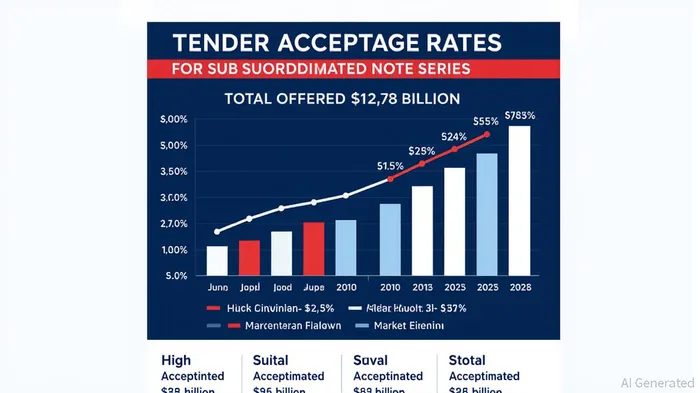
Here's the deal: HSBC's recent bond buyback program has sparked a critical conversation about bondholder sentiment and capital structure optimization. , . While this low tender rate might seem like a rebuke, it actually underscores a nuanced reality: investors are clinging to high-yield bonds in a low-rate environment, even as HSBCHSBC-- races to streamline its debt profile.
The Tender Offers: A Strategic Overhaul
, , , . The bank aims to retire debt that no longer qualifies as UK CRR Tier 2 capital, a regulatory shift that has rendered these instruments less valuable for capital adequacy purposes [2]. , 2025, HSBC is effectively reducing its reliance on high-cost, long-dated subordinated debt while aligning its capital structure with evolving regulatory standards [3].
, , . Yet even with these incentives, . Why? . , . Investors, particularly those in fixed-income portfolios, .
Bondholder Sentiment: Yield Over Liquidity
This dynamic reflects a broader trend in bond markets. According to a Bloomberg report, most investors opted to hold onto their HSBC high-coupon bonds, prioritizing income over liquidity [2]. echoed this sentiment, noting that the current rate environment has made investors “reluctant to give up high-yield instruments unless forced by credit risk or regulatory changes” [2]. HSBC's own investor FAQ reinforces this, . This flexibility has further dampened tender participation, as investors can hedge cash needs without sacrificing yield.
Capital Structure Optimization: A Double-Edged Sword
While low tender rates might seem like a setback, they're a boon for HSBC's capital structure. , non-qualifying instruments—the bank is reducing leverage and simplifying its debt profile [1]. , . The buybacks also free up regulatory capital, .
However, the bank's success hinges on its ability to refinance. HSBC plans to issue new subordinated debt to replace the retired bonds, but this isn't contingent on the current tender offers' completion [2]. If market conditions sour, the cost of new debt could rise, offsetting some of the savings. For now, though, the strategy appears to be working: HSBC's debt-to-equity ratio is expected to decline, .
The Bottom Line: A Calculated Gambit
HSBC's bond buyback is a masterclass in balancing regulatory demands, , and capital efficiency. . By offering attractive terms while retaining flexibility to refinance, HSBC is positioning itself to navigate both regulatory shifts and market volatility. For investors, the takeaway is clear: HSBC's capital structure is becoming leaner and more resilient, but the bank's ability to sustain this momentum will depend on its execution in the new debt markets.





Comentarios
Aún no hay comentarios