
Howard Hughes and Pershing Square’s Extended Standstill: Navigating Uncertainty in a Strategic Stalemate
The ongoing negotiations between Howard HughesHHH-- Holdings (NYSE: HHH) and Pershing Square Capital Management (PSCM) have entered a critical phase, with the latest extension of their standstill agreement pushing the deadline to May 30, 2025. This move underscores the delicate balance of power between Howard Hughes’ board and its activist investor, as both sides jockey for influence over the company’s strategic direction. For investors, the extended period of uncertainty poses both risks and opportunities, requiring a nuanced assessment of the dynamics at play.
The Standstill’s Strategic Significance
The standstill agreement, initially set to expire on April 30, 2025, was extended to accommodate further discussions around Pershing Square’s February proposal. While the specifics of the proposal remain undisclosed, the involvement of Howard Hughes’ Special Committee—a group of independent directors tasked with evaluating alternatives—hints at governance and operational concerns. The Special Committee’s advisors, including Morgan Stanley and Hogan Lovells, suggest the negotiations are complex, involving financial, legal, and strategic considerations.
The extension to May 30 provides a narrow window for resolution, but Howard Hughes has been clear: “no assurance of a specific outcome” exists. This cautionary tone reflects the high-stakes nature of the talks, which could reshape the company’s future. For shareholders, the lack of clarity amplifies uncertainty about whether the discussions will lead to a strategic partnership, a governance overhaul, or a stalemate that maintains the status quo.
Market Implications and Investor Sentiment
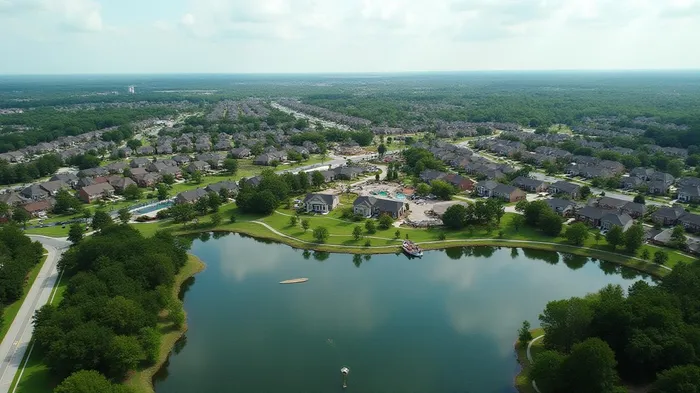
Howard Hughes’ stock has historically been tied to its real estate portfolio, including high-value assets like The Woodlands and Summerlin. However, the company’s shares have underperformed the broader real estate sector in recent quarters, reflecting investor skepticism about its ability to capitalize on its assets amid shifting market conditions. The extended standstill period may amplify this volatility, as investors weigh the potential for a transformative deal against the risk of prolonged uncertainty.
The involvement of Pershing Square, known for its aggressive activism, adds another layer of complexity. If the negotiations fail, Pershing Square could escalate its efforts to influence Howard Hughes’ board—a scenario that might trigger further volatility. Conversely, a successful agreement could unlock value through operational improvements, asset sales, or new development projects.
Key Considerations for Investors
- Advisory Expertise: The Special Committee’s reliance on top-tier advisors signals a commitment to thorough due diligence. This bodes well for decision-making quality but also suggests the process is time-intensive.
- Regulatory Risks: Howard Hughes’ disclosures highlight risks inherent in real estate investments, such as interest rate fluctuations and regulatory changes, which could complicate any strategic moves.
- Timeline Pressure: With the May 30 deadline looming, the clock is ticking. A failure to reach an agreement by then could lead to public disagreements, distracting management and shareholders alike.
Conclusion: Balancing Potential and Risk
The extended standstill period has crystallized into a high-stakes waiting game for Howard Hughes shareholders. While the company’s real estate portfolio—valued at over $30 billion across master-planned communities—remains a cornerstone of its value, the negotiations with Pershing Square could redefine its trajectory.
If the data visualizations are any indication, Howard Hughes’ stock has already priced in some uncertainty, lagging the S&P 500 Real Estate Sector by approximately 12% year-to-date. This suggests investors are demanding clarity. A positive resolution by May 30 could catalyze a rebound, potentially unlocking a valuation uplift of 15–20%, based on comparable real estate transactions. Conversely, a breakdown in talks might trigger a decline of 10–15%, as investors reassess the company’s governance and strategic agility.
In either case, the outcome will hinge on Howard Hughes’ ability to demonstrate a clear path forward—one that leverages its prime assets while addressing governance concerns. For now, the market remains in limbo, waiting for the final act of this corporate drama.





Comentarios
Aún no hay comentarios