
U.S. House Speaker: White House Considers Exemptions to Reciprocal Tariffs
Generado por agente de IAWesley Park
miércoles, 12 de febrero de 2025, 1:05 pm ET2 min de lectura
WTRG--
As the U.S. trade landscape continues to evolve, U.S. House Speaker Johnson has revealed that the White House is considering exemptions to reciprocal tariffs. This development comes as the administration seeks to balance the interests of various industries and trading partners. In this article, we will explore the potential implications of these exemptions on the broader market dynamics, investor sentiment, and U.S. trade relations.

The White House is reportedly considering exemptions to reciprocal tariffs on orders and pharmaceuticals. This move could have significant implications for the broader market dynamics and investor sentiment. By excluding these essential goods from reciprocal tariffs, the immediate impact on consumer prices could be mitigated, potentially reducing inflationary pressures. This could help maintain consumer confidence and spending, which are crucial for economic growth.
The exclusion of orders and pharmaceuticals could also be seen as a positive signal for the healthcare and technology sectors. These sectors are crucial for innovation and job creation, and their exclusion from tariffs could boost investor confidence in these areas. This could lead to increased investment and stock prices in these sectors.
However, the exemptions could also lead to backlash from other industries that are not exempt. This could create a perception of favoritism, potentially leading to decreased investor confidence in those industries. Additionally, the exclusion of certain goods from reciprocal tariffs could also lead to retaliation from trading partners. If they perceive the exclusions as unfair, they might retaliate with their own tariffs on goods that are important to the U.S. economy. This could lead to increased uncertainty and decreased investor confidence in the broader market.
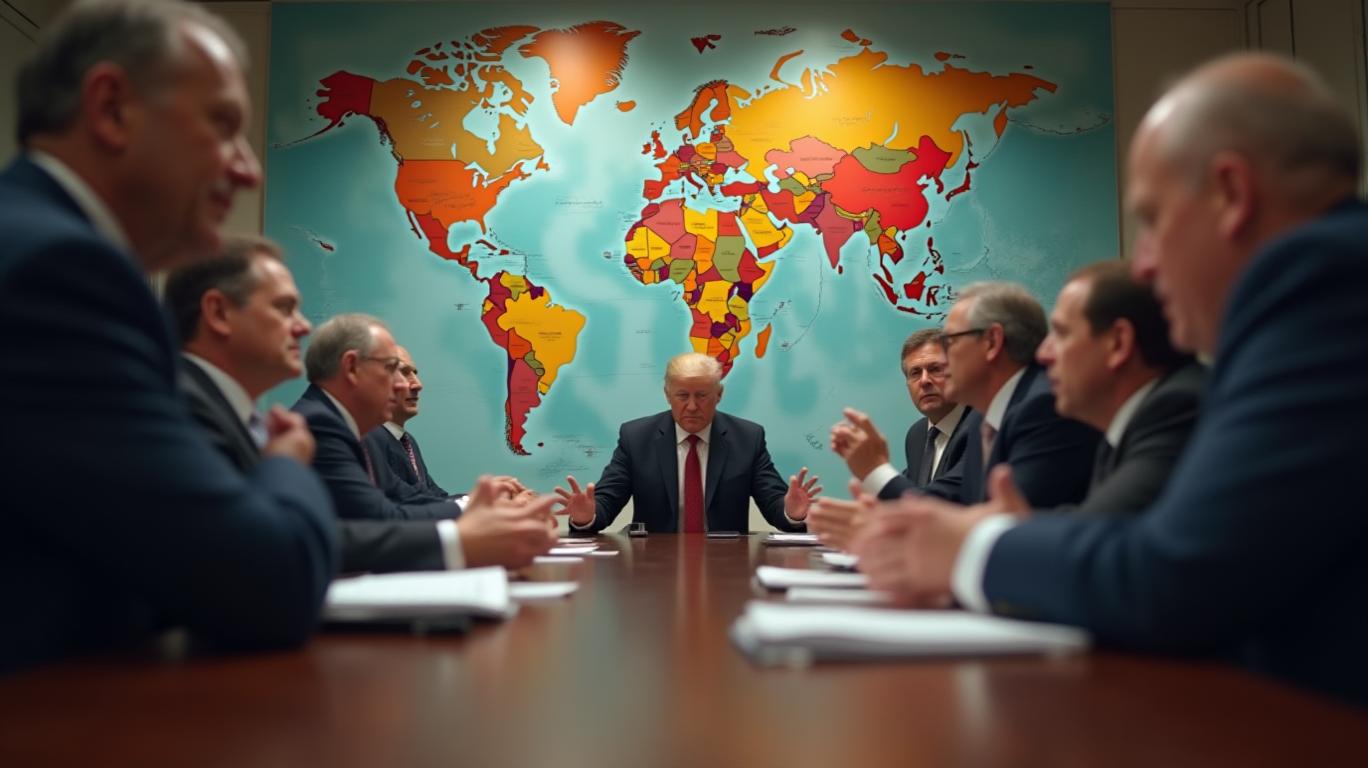
The exemptions granted to certain countries, including allies and adversaries, have strategic implications on the U.S.'s trade relations. By granting exemptions to countries like Argentina, Australia, Brazil, Canada, Japan, Mexico, South Korea, the European Union, Ukraine, and the United Kingdom, the U.S. inadvertently created loopholes that were exploited by China and others with excess steel and aluminum capacity. This undermined the purpose of the tariffs, which were intended to protect the domestic steel and aluminum industries.
The exemptions may have also eroded trust with some U.S. allies, as they were not treated equally. For instance, Canada and Mexico were initially included in the tariffs but later granted exemptions, while other allies like Japan and South Korea were not. This could strain relations and create resentment among allies.
The exemptions could also encourage retaliation from adversaries like China. By targeting specific countries with tariffs while exempting others, the U.S. may be perceived as acting unfairly, potentially leading to countermeasures from China or other countries.
In conclusion, the exemptions granted to certain countries have strategic implications on the U.S.'s trade relations, potentially eroding trust with allies, encouraging retaliation from adversaries, and impacting global trade dynamics. The White House's consideration of exemptions to reciprocal tariffs on orders and pharmaceuticals could have both positive and negative effects on broader market dynamics and investor sentiment. The key will be how these exclusions are perceived by investors, trading partners, and other stakeholders. As the U.S. trade landscape continues to evolve, it is crucial for investors to stay informed and adapt their strategies accordingly.
As the U.S. trade landscape continues to evolve, U.S. House Speaker Johnson has revealed that the White House is considering exemptions to reciprocal tariffs. This development comes as the administration seeks to balance the interests of various industries and trading partners. In this article, we will explore the potential implications of these exemptions on the broader market dynamics, investor sentiment, and U.S. trade relations.
The White House is reportedly considering exemptions to reciprocal tariffs on orders and pharmaceuticals. This move could have significant implications for the broader market dynamics and investor sentiment. By excluding these essential goods from reciprocal tariffs, the immediate impact on consumer prices could be mitigated, potentially reducing inflationary pressures. This could help maintain consumer confidence and spending, which are crucial for economic growth.
The exclusion of orders and pharmaceuticals could also be seen as a positive signal for the healthcare and technology sectors. These sectors are crucial for innovation and job creation, and their exclusion from tariffs could boost investor confidence in these areas. This could lead to increased investment and stock prices in these sectors.
However, the exemptions could also lead to backlash from other industries that are not exempt. This could create a perception of favoritism, potentially leading to decreased investor confidence in those industries. Additionally, the exclusion of certain goods from reciprocal tariffs could also lead to retaliation from trading partners. If they perceive the exclusions as unfair, they might retaliate with their own tariffs on goods that are important to the U.S. economy. This could lead to increased uncertainty and decreased investor confidence in the broader market.
The exemptions granted to certain countries, including allies and adversaries, have strategic implications on the U.S.'s trade relations. By granting exemptions to countries like Argentina, Australia, Brazil, Canada, Japan, Mexico, South Korea, the European Union, Ukraine, and the United Kingdom, the U.S. inadvertently created loopholes that were exploited by China and others with excess steel and aluminum capacity. This undermined the purpose of the tariffs, which were intended to protect the domestic steel and aluminum industries.
The exemptions may have also eroded trust with some U.S. allies, as they were not treated equally. For instance, Canada and Mexico were initially included in the tariffs but later granted exemptions, while other allies like Japan and South Korea were not. This could strain relations and create resentment among allies.
The exemptions could also encourage retaliation from adversaries like China. By targeting specific countries with tariffs while exempting others, the U.S. may be perceived as acting unfairly, potentially leading to countermeasures from China or other countries.
In conclusion, the exemptions granted to certain countries have strategic implications on the U.S.'s trade relations, potentially eroding trust with allies, encouraging retaliation from adversaries, and impacting global trade dynamics. The White House's consideration of exemptions to reciprocal tariffs on orders and pharmaceuticals could have both positive and negative effects on broader market dynamics and investor sentiment. The key will be how these exclusions are perceived by investors, trading partners, and other stakeholders. As the U.S. trade landscape continues to evolve, it is crucial for investors to stay informed and adapt their strategies accordingly.

Divulgación editorial y transparencia de la IA: Ainvest News utiliza tecnología avanzada de Modelos de Lenguaje Largo (LLM) para sintetizar y analizar datos de mercado en tiempo real. Para garantizar los más altos estándares de integridad, cada artículo se somete a un riguroso proceso de verificación con participación humana.
Mientras la IA asiste en el procesamiento de datos y la redacción inicial, un miembro editorial profesional de Ainvest revisa, verifica y aprueba de forma independiente todo el contenido para garantizar su precisión y cumplimiento con los estándares editoriales de Ainvest Fintech Inc. Esta supervisión humana está diseñada para mitigar las alucinaciones de la IA y garantizar el contexto financiero.
Advertencia sobre inversiones: Este contenido se proporciona únicamente con fines informativos y no constituye asesoramiento profesional de inversión, legal o financiero. Los mercados conllevan riesgos inherentes. Se recomienda a los usuarios que realicen una investigación independiente o consulten a un asesor financiero certificado antes de tomar cualquier decisión. Ainvest Fintech Inc. se exime de toda responsabilidad por las acciones tomadas con base en esta información. ¿Encontró un error? Reportar un problema


SOBRE NOSOTROS
Nuestra historiaAutores de noticiasBase de conocimientosPolítica de privacidadTérmino de usoDescargo de responsabilidad de corretaje de tercerosTérminos de uso de AIMEDivulgaciones de riesgos de AInvest AICarrerasCONTÁCTENOS
Email: support@ainvest.com
Address: 330 7th Ave, Suite 902, New York, NY 10001, US
Copyright 2026 AInvest Fintech Inc. All rights reserved.


Comentarios
Aún no hay comentarios