
House Passes Key Crypto Bills Amid CBDC Opposition
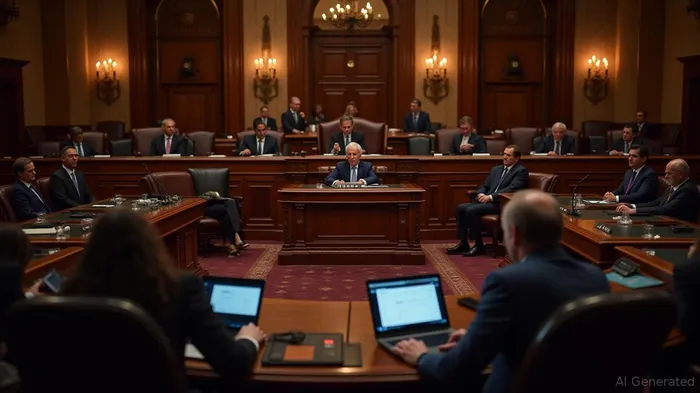
The U.S. House of Representatives passed procedural rules for several cryptocurrency-related bills on July 17th, marking a significant step in the ongoing debate over digital currency regulation. The vote, which advanced key legislation, was the result of extensive efforts by Republican leaders, including House Majority Leader Steve Scalise and Mike Johnson, who played crucial roles in rallying support amidst internal opposition. Following the vote, Republican leaders pledged to include anti-Central Bank Digital Currency (CBDC) provisions in the National Defense Authorization Act, signaling a strong stance against government-issued digital currencies.
The GENIUS Act, which aims to modernize financial regulation, could face a vote as early as the following day. This legislation proposes strict reserve requirements for stablecoin issuers, which could significantly impact stablecoins like USDC and USDT. Additionally, the CLARITY Act seeks to restrict CBDC development, further reshaping the U.S. digital currency landscape. The passage of these bills underscores the volatile political landscape influencing cryptocurrency regulation in the U.S., with Donald Trump publicly supporting the vote and asserting that Congress should back the GENIUS Act.
Market players and analysts are closely monitoring these legislative movements, as the outcomes could have immediate implications for stablecoin regulation and CBDC deployment. The community remains watchful for developments that could affect the broader digital asset market. The passage of these bills could establish a new baseline for other regions considering similar approaches to digital currency regulation, compelled by global financial trends and the critical nature of adopting stringent stablecoin standards.







Comentarios
Aún no hay comentarios