
House Hearing Aims to Clarify Tax Obligations for Digital Assets
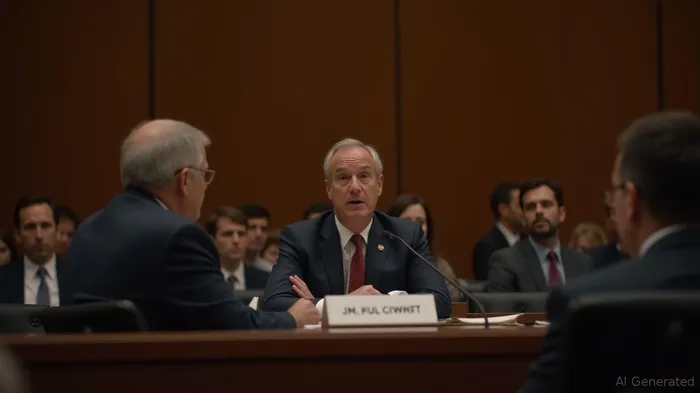
The US House of Representatives is set to hold a significant hearing on July 16 to establish a comprehensive tax policy framework for digital assets. This move underscores the growing legislative focus on cryptocurrency regulation and its implications for the broader financial landscape. The hearing, titled “ensuring digital assetDAAQ-- policy built for the 21st century,” aims to clarify tax obligations for participants in the digital asset ecosystem, including investors, miners, and stakers. While specific witnesses for the hearing have not yet been confirmed, the event is expected to address the urgent need for clear tax guidelines as digital currencies gain mainstream adoption.
The initiative aligns with a broader Republican effort to advance multiple crypto-related bills. These bills cover a range of topics, including central bank digital currencies (CBDCs), stablecoins, and market structure reforms. The hearing's timing is strategic, as it precedes expected votes on three key crypto bills in the House. This coordinated approach reflects a concerted effort to address regulatory gaps and modernize tax law in line with technological advancements.
The hearing is part of a broader legislative push known as “crypto week” in Congress. During this period, Republican lawmakers are advancing several bills designed to shape the future of digital finance. Notable among these are the GENIUS Act, which focuses on payment stablecoins, and the Digital Asset Market CLARITY Act, which targets market structure reforms. The GENIUS Act has already passed the Senate and awaits a House vote, while the CLARITY Act is being developed in parallel in both chambers, with the Senate aiming for a September timeline. Additionally, the Anti-CBDC Surveillance State Act, introduced separately in the House and Senate, seeks to address privacy concerns related to central bank digital currencies but has yet to gain legislative traction. These efforts highlight the complexity and multifaceted nature of crypto regulation, balancing innovation with investor protection and market integrity.
While the House is actively progressing with its legislative agenda, the Senate Banking Committee is pursuing a distinct path for market structure legislation. Recent hearings featured testimony from industry leaders, highlighting the Senate’s engagement with diverse stakeholder perspectives. This divergence between chambers reflects differing priorities and approaches within Congress, potentially leading to nuanced regulatory frameworks. The Senate’s focus on market structure legislation by September contrasts with the House’s more immediate agenda, including the tax framework hearing and stablecoin legislation.
Taxation remains a contentious issue within the crypto community, particularly concerning double taxation risks for miners and stakers. Senator Cynthia Lummis’s efforts to introduce provisions mitigating these challenges underscore the ongoing debate. Although her amendment was excluded from the recent budget bill, her standalone draft bill on digital asset taxation signals continued legislative advocacy. Clear tax policies are critical for fostering industry growth and compliance. Ambiguities in current tax treatment can deter innovation and complicate reporting requirements for market participants. The House hearing aims to address these challenges by laying a foundation for coherent and equitable tax regulations.
The scheduled July 16 hearing represents a crucial moment in the US legislative landscape for digital assets, focusing on establishing a robust tax policy framework. Coupled with concurrent bills on CBDCs, stablecoins, and market structure, this hearing reflects a comprehensive approach to modernizing crypto regulation. Stakeholders and investors should monitor these developments closely, as outcomes will significantly influence the regulatory environment and market dynamics in the coming years.







Comentarios
Aún no hay comentarios