
U.S. House Designates Crypto Week to Pass Landmark Digital Asset Legislation
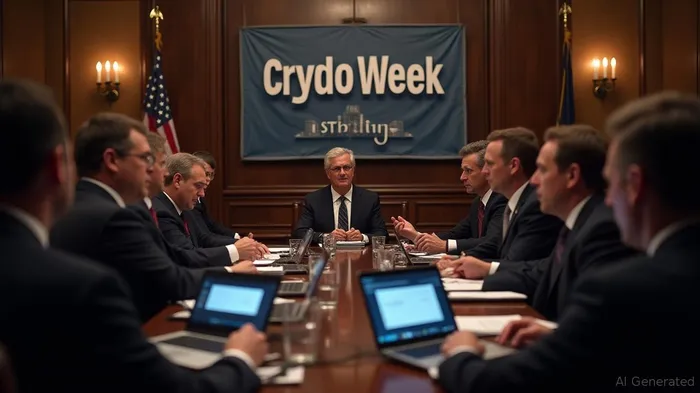
Lawmakers in the U.S. House of Representatives have designated the week beginning July 14th as “Crypto Week,” signaling a significant push to pass landmark legislation on digital assets. This week will focus on three major bills: the CLARITY Act, the GENIUS Act, and the Anti-CBDC Surveillance State Act. These bills are designed to provide clear regulatory frameworks for crypto assets, addressing long-standing issues and protecting investors. The move comes after years of uncertainty that have hindered U.S. innovation and compliance in the crypto sector.
Crypto Week is anticipated to have a substantial impact on both the domestic regulatory environment and the global competitiveness of the U.S. in the digital asset space. It addresses key areas such as regulatory clarity, stablecoin integration, and the debate surrounding the digital dollar. Industry observers expect heightened activity and increased confidence during this critical legislative period.
The CLARITY Act proposes a clear division of regulatory oversight between the SEC and CFTC. Based on the use and design of digital assets, the bill categorizes them as securities, commodities, or stablecoins. This classification allows each agency to supervise the assets they are best equipped to regulate. The CFTC would have complete control over digital commodities like BitcoinBTC--, while the SEC would continue to regulate tokenized securities and enforce compliance. A dual-track registration system would enable firms to register with the appropriate agency, providing certainty for entrepreneurs and reducing regulatory risks and legal conflicts. This approach also includes mandatory anti-fraud provisions to protect consumers and is expected to attract compliant innovation back to the U.S.
The GENIUS Act, which has already been passed by the Senate, establishes a federal framework for payment stablecoins. It sets issuance conditions, capital reserves, and audit obligations for stablecoin issuers. Under the new rules, both state and federal regulators will have supervisory authority. The Act aims to stabilize and legitimize dollar-backed stablecoins within the financial system, providing a foundation for safe adoption by businesses and consumers. It reinforces the dollar’s influence in digital commerce and payments and addresses concerns from banks and fintech companies by offering clear compliance paths. Many view this as a significant step forward for mainstream adoption and digital-dollar competition.
The Anti-CBDC Surveillance State Act seeks to prevent the Federal Reserve from issuing a retail Central Bank Digital Currency (CBDC). This measure addresses growing public concerns about financial surveillance and digital privacy rights. The bill bars both direct and indirect issuance of a CBDC to individual Americans, with lawmakers backing it believing it defends privacy and economic freedom. The proposed law also encourages the private sector to develop decentralized payment alternatives. Crypto advocates argue that this law is essential to preserving innovation and user sovereignty, citing international examples where state digital currencies have expanded government oversight.
During Crypto Week, the U.S. House will consider three key crypto bills: the CLARITY Act, the GENIUS Act, and the Anti-CBDC Surveillance State Act. These laws aim to define regulatory roles, support stablecoin frameworks, and protect financial privacy. Together, they represent a critical step in shaping the United States’ position in the global digital asset sector. The significance of Crypto Week lies in its potential to define how the U.S. regulates crypto assets, which could have far-reaching implications for global finance and national digital strategy. The CLARITY Act will see the CFTC handle commodities like Bitcoin, while the SEC will oversee securities. The Anti-CBDC Act aims to prevent the issuance of a digital dollar, citing concerns over privacy and government overreach.






Comentarios
Aún no hay comentarios