
Hoth Therapeutics' Strategic Patent Expansion and Its Implications for Biotech Investment in 2025
Hoth Therapeutics has emerged as a compelling player in the biotech sector, leveraging strategic intellectual property (IP) expansion to solidify its position in addressing high-priority unmet medical needs. At the core of this strategy is HT-001, a novel topical gel designed to mitigate dermatological toxicities linked to cancer therapies. By securing multiple U.S. Provisional Patent Applications in 2025, HothHOTH-- has broadened its IP portfolio to cover indications such as drug-induced hypersensitivity syndrome, radiotherapy-induced rash, and dermatological conditions tied to MENIN inhibitor therapy [1]. These filings not only protect the proprietary formulation and delivery method of HT-001 but also underscore the company's ambition to dominate a niche yet high-growth therapeutic area.
Therapeutic Differentiation and Clinical Validation
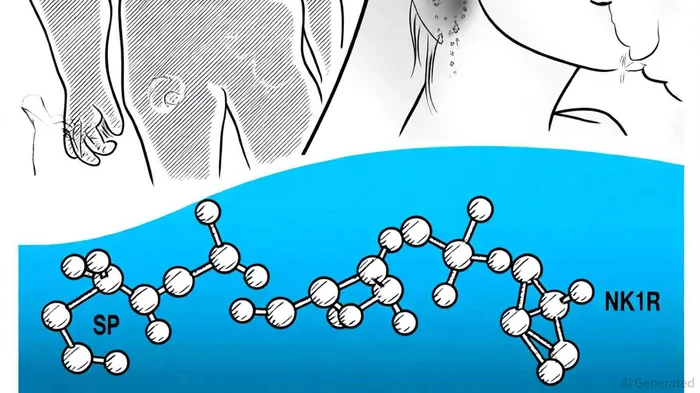
HT-001's mechanism of action centers on blocking the Substance P (SP)-NK1R pathway, a key driver of neurogenic inflammation [2]. This approach differentiates it from existing treatments, such as topical corticosteroids and antibiotics, which often provide only symptomatic relief without addressing underlying inflammatory pathways [3]. Clinical validation has been robust: in its Phase 2a trial (CLEER-001), HT-001 achieved a 100% success rate in improving dermatologic toxicities, with 66% of patients reporting reduced pain and itching [4]. Notably, patients maintained full EGFR inhibitor dosages without treatment interruptions, a critical factor in oncology where therapy adherence directly impacts outcomes [5].
The compound's versatility further enhances its appeal. Preclinical and early clinical data suggest efficacy across diverse indications, including radiation-induced dermatitis and MENIN inhibitor-related skin conditions [6]. This broad therapeutic reach positions HT-001 to capture multiple market segments, reducing reliance on a single indication and mitigating revenue risk.
Market Opportunity and Commercial Potential
The commercial potential of HT-001 is underpinned by the growing prevalence of EGFR inhibitor-induced dermatitis, a condition affecting up to 90% of patients undergoing targeted cancer therapies [7]. The global market for treating such toxicities is projected to grow at a compound annual growth rate (CAGR) of 8.3%, reaching USD 4.8 billion by 2025 [8]. In the U.S. alone, where personalized medicine and advanced diagnostics are accelerating adoption of EGFR inhibitors, the market is expected to expand at a CAGR of 18.57% through 2035 [9].
Current standard-of-care therapies, while widely used, are fraught with limitations. Topical corticosteroids, for instance, carry risks of skin atrophy and irritation, while antibiotics face challenges of resistance and unclear efficacy [10]. HT-001's favorable safety profile—no serious adverse events reported in Phase 2a trials [4]—positions it as a superior alternative. With a 505(b)(2) regulatory pathway accelerating development, Hoth is poised to capitalize on this unmet need, potentially capturing a significant share of a market expected to exceed USD 18 billion by 2031 [11].
Competitive Landscape and IP Strategy
Hoth's IP expansion is a masterstroke in a competitive landscape marked by incremental innovations. While companies like Lutris Pharma advance B-Raf inhibitors for similar indications [12], Hoth's formulation-specific patents and broad therapeutic claims create a formidable barrier to entry. The recent filing receipt from the U.S. Patent and Trademark Office (USPTO) for HT-001's proprietary formulation further cements this advantage [13].
Moreover, Hoth's global regulatory strategy—evidenced by its Clinical Trial Application submission to the European Medicines Agency (EMA) in Q3 2025 [14]—signals intent to scale rapidly. With plans to initiate Phase 2b/3 trials and present data at the American Academy of Dermatology (AAD) 2025 Annual Meeting, the company is aligning itself with key milestones that could attract investor confidence.
Investment Implications
For biotech investors, Hoth TherapeuticsHOTH-- represents a confluence of strong IP, clinical differentiation, and market tailwinds. The expansion of HT-001's indications through robust patent filings reduces dilution risks, while its 100% efficacy in Phase 2a trials provides a compelling narrative for further development. However, risks remain, including regulatory hurdles in later-stage trials and competition from emerging therapies.
In conclusion, Hoth's strategic patent expansion and clinical progress with HT-001 position it as a standout opportunity in 2025. By addressing a critical unmet need in oncology supportive care, the company is not only enhancing its commercial prospects but also redefining standards for managing treatment-related dermatotoxicities.





Comentarios
Aún no hay comentarios