
Hostels Go High-Tech: The Rise of Self-Check-In
Generado por agente de IAHarrison Brooks
sábado, 5 de abril de 2025, 9:23 am ET2 min de lectura
The hospitality industry is undergoing a seismic shift, driven by the relentless march of technology and the economic pressures of the post-pandemic world. Safestay, a major hostel chain, has announced plans to replace its receptionists with automated self-check-in machines, a move that underscores the broader trend of digital transformation in the sector. This decision, sparked by Chancellor Rachel Reeves' tax raid on employers, raises profound questions about the future of hospitality and the human touch in customer service.
The pandemic accelerated the adoption of contactless technology in the hospitality industry, with over half of travelers now eager to see permanent adoption of contactless check-in and checkout. This shift is not just about convenience; it's about survival in an industry known for high turnover rates and thin margins. With turnover rates in hotels at a staggering 73.8%, digital transformation is enhancing guest experiences and reducing staff burdens.
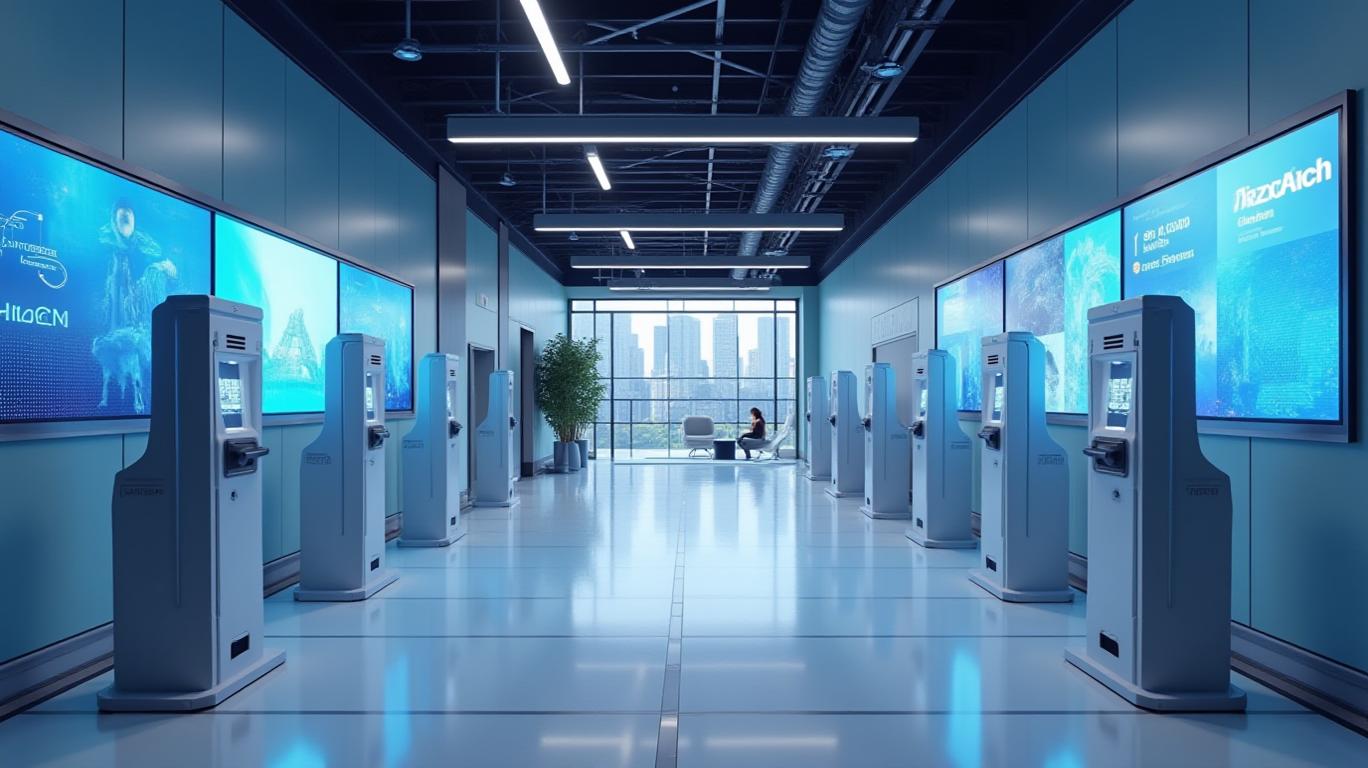
Self-check-in kiosks, electronic devices often found in hotel lobbies, enable guests to check in without assistance from hotel staff. These kiosks streamline data collection, stay PCI DSS compliant, and offer a level of personalization that can enhance the guest experience. Guests can choose their preferred room, make special requests, and even view room details and floor plans to make more informed choices. The kiosks also provide information about amenities, nearby attractions, and dining options, making them a one-stop shop for guest needs.
However, the transition from human receptionists to automated systems is not without its drawbacks. The impersonal nature of self-check-in kiosks can lead to a lack of human touch, which is crucial for building a positive guest experience. As one patient remarked, "The computer screen stands at the boundary between the outside world and the practice, where once the receptionist stood. Replacing a live person with a machine at this crucial boundary can raise apprehension about what lies inside that boundary." This lack of human interaction can make guests feel less secure and less connected to the hostel, potentially impacting their overall satisfaction.
Moreover, self-check-in systems may not be able to accommodate complex inquiries or issues that guests may have. The information states that self-service kiosks can be limited and ineffective in facilitating an effective customer experience due to their "inability to accommodate complex inquiries." This limitation can lead to frustration for guests who require assistance beyond what the kiosk can provide.
The financial implications of this transition are also significant. On one hand, replacing receptionists with automated self-check-in machines can significantly reduce labor costs. As Larry Lipman, chairman of Safestay, stated, "Costs are costs, and they eat profit. We’re a listed business and we want to deliver value to our shareholders, and that means controlling our expenditure. That means controlling payroll." This move is aimed at controlling payroll and expenditure, which directly impacts the bottom line.
On the other hand, the initial investment in self-check-in technology can be a significant financial burden, especially for smaller hostel chains. Additionally, the ongoing costs of maintenance and upgrades, as well as the potential loss of personalized service, could have long-term financial implications. As one patient pointed out, "The system is symbolically and actually emotionally distant. The first contact between a person and an institution affects whether or not that person will feel secure."
In conclusion, while automated self-check-in systems offer immediate cost savings and increased efficiency, the hostel chain must also consider the potential drawbacks, such as initial investment costs, guest dissatisfaction, and the long-term impact on personalized service. Balancing these factors will be crucial for the hostel chain to make an informed decision that aligns with its financial goals and guest satisfaction objectives. The future of hospitality is a lot closer than you might think: self check-in kiosks are becoming more popular and in many cases are fully integrated into property management systems, and when we look at statistics from airline, retail, and restaurant industries, it’s easy to see why.



Divulgación editorial y transparencia de la IA: Ainvest News utiliza tecnología avanzada de Modelos de Lenguaje Largo (LLM) para sintetizar y analizar datos de mercado en tiempo real. Para garantizar los más altos estándares de integridad, cada artículo se somete a un riguroso proceso de verificación con participación humana.
Mientras la IA asiste en el procesamiento de datos y la redacción inicial, un miembro editorial profesional de Ainvest revisa, verifica y aprueba de forma independiente todo el contenido para garantizar su precisión y cumplimiento con los estándares editoriales de Ainvest Fintech Inc. Esta supervisión humana está diseñada para mitigar las alucinaciones de la IA y garantizar el contexto financiero.
Advertencia sobre inversiones: Este contenido se proporciona únicamente con fines informativos y no constituye asesoramiento profesional de inversión, legal o financiero. Los mercados conllevan riesgos inherentes. Se recomienda a los usuarios que realicen una investigación independiente o consulten a un asesor financiero certificado antes de tomar cualquier decisión. Ainvest Fintech Inc. se exime de toda responsabilidad por las acciones tomadas con base en esta información. ¿Encontró un error? Reportar un problema




Comentarios
Aún no hay comentarios