
Hong Kong Stocks Tumble Post-Holiday as Trump's 10% Tariff Looms
Generado por agente de IATheodore Quinn
domingo, 2 de febrero de 2025, 9:23 pm ET2 min de lectura
BABA--
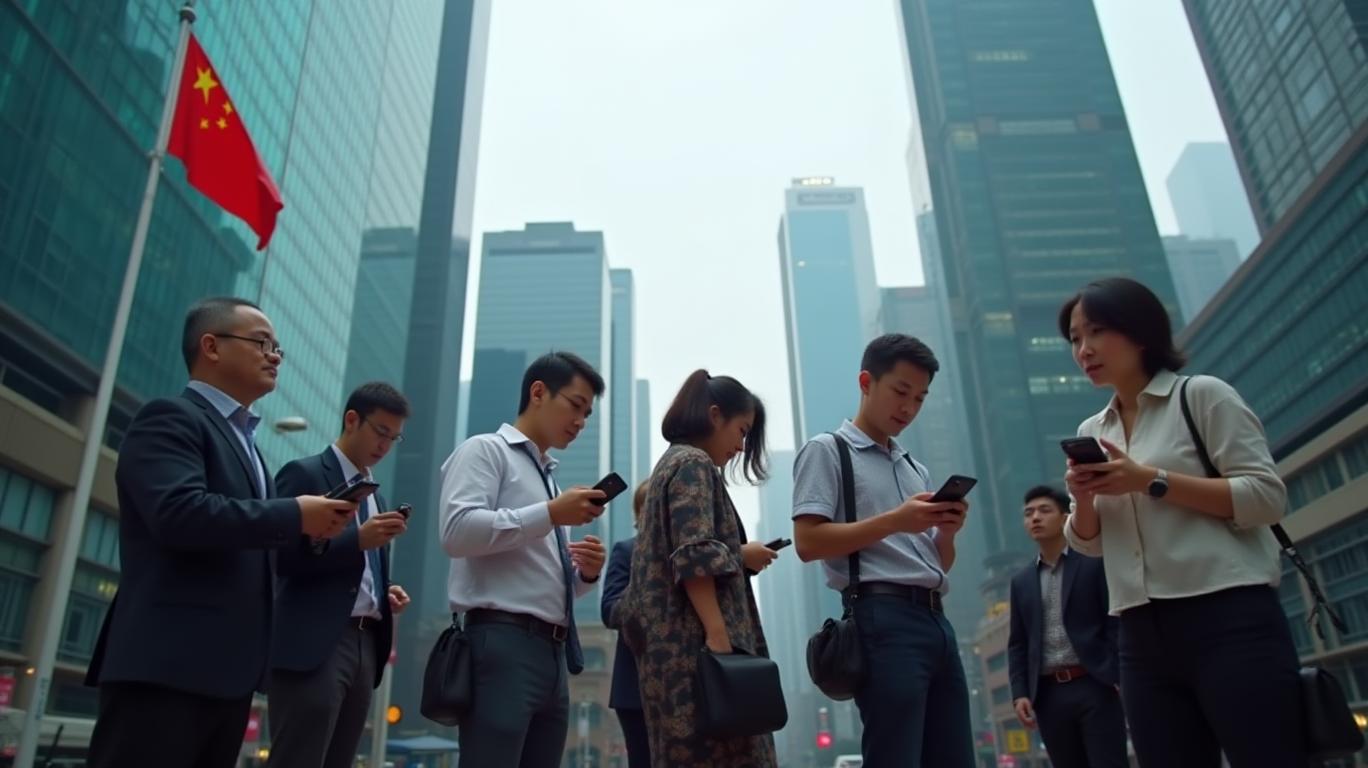
The Hong Kong stock market opened on Tuesday with a bang, as investors returned from the Mid-Autumn Festival holiday to find a grim reality: US President Donald Trump's threat of a 10% tariff on Chinese goods looming large. The Hang Seng Index plummeted 2.5% in the first hour of trading, with no signs of abating. The sell-off was broad-based, with tech, financial, and consumer stocks all taking a beating.
The specter of a full-blown trade war between the US and China has been hanging over the market for months, but the latest developments have sent investors into a tailspin. Trump's threat to impose the tariffs on an additional $300 billion worth of Chinese goods, including consumer electronics and clothing, has raised the stakes significantly. The move comes as the two countries struggle to reach a deal on intellectual property and technology transfers, with negotiations set to resume in early October.
The impact of the proposed tariffs on Hong Kong-listed Chinese companies is expected to be severe. Semiconductor and tech companies, such as Taiwan Semiconductor Manufacturing Co (TSMC) and Samsung Electronics Co, are likely to be hit hard, as they have significant sales exposure to the US market. E-commerce platforms, like Alibaba Group Holding Ltd, could also face headwinds, as the tariffs could increase the cost of goods for consumers, potentially leading to a decrease in demand.
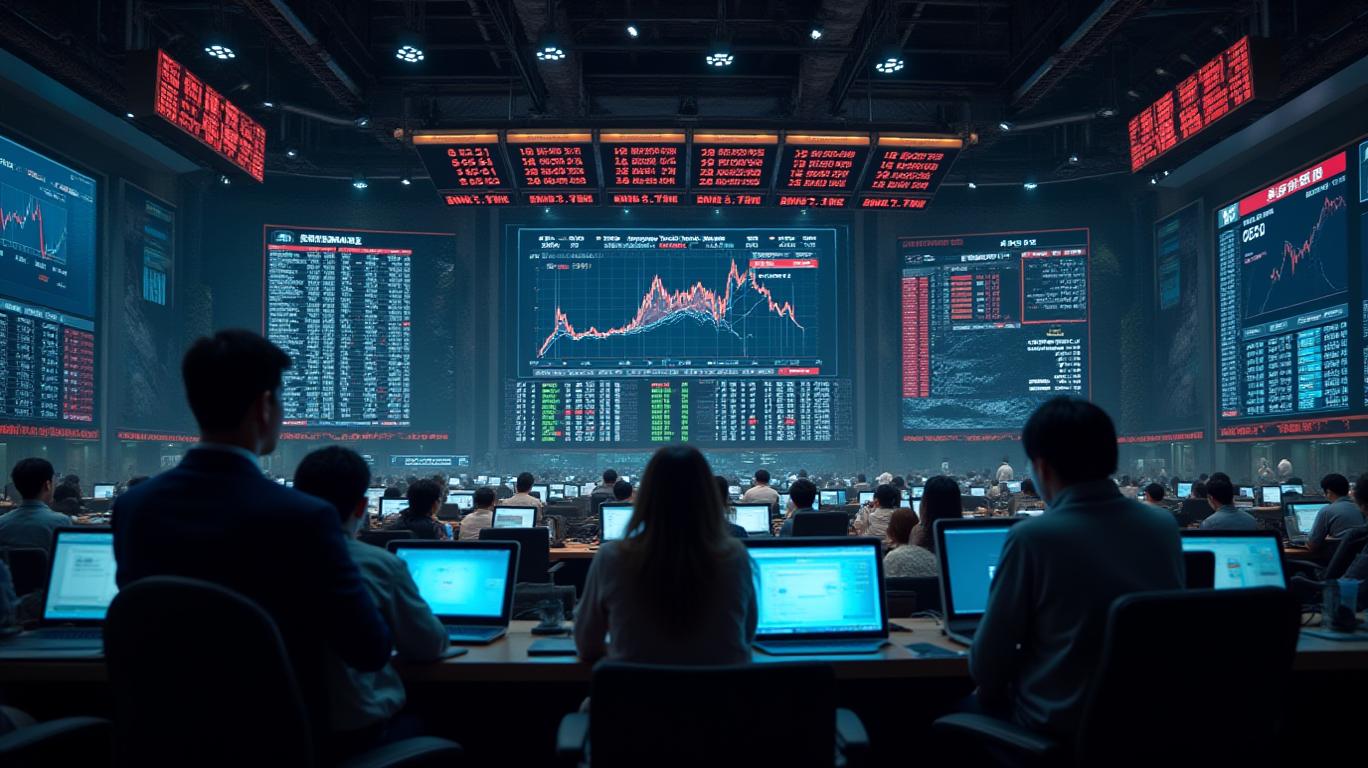
Automakers with exposure to Mexico, such as South Korea's HL Mando Co and Kia Corp, are also likely to be affected by the proposed tariffs. The tariffs could disrupt their supply chains and increase production costs, potentially leading to a decline in their stock prices in the short term. In the long term, these companies may need to invest in alternative production facilities outside of Mexico to mitigate the impact of tariffs, which could lead to increased costs and potential delays in production.
Investors in Hong Kong stocks are closely monitoring the situation, with many adopting a wait-and-see approach. The market's sensitivity to global trade dynamics has been evident in recent months, with both positive and negative news events causing significant fluctuations in stock prices. Companies with a high proportion of Independent Non-Executive Directors (INEDs) have fared better during negative trade war events, indicating the importance of governance in mitigating risks.
As the US and China continue to grapple with their trade differences, investors in Hong Kong stocks should remain vigilant to news events and geopolitical developments that may impact their portfolios. Diversifying portfolios across different sectors and focusing on companies with strong governance practices can help mitigate risks associated with trade tensions. Additionally, monitoring trade war developments and adjusting investment strategies accordingly can be crucial for making informed decisions in the Hong Kong stock market.
In conclusion, the proposed 10% tariff on Chinese goods has sent shockwaves through the Hong Kong stock market, with investors bracing for a potentially prolonged period of uncertainty. As the US and China continue to negotiate, investors should stay informed about the latest developments and consider adjusting their portfolios to navigate the complexities of the global trade landscape.
TSM--
The Hong Kong stock market opened on Tuesday with a bang, as investors returned from the Mid-Autumn Festival holiday to find a grim reality: US President Donald Trump's threat of a 10% tariff on Chinese goods looming large. The Hang Seng Index plummeted 2.5% in the first hour of trading, with no signs of abating. The sell-off was broad-based, with tech, financial, and consumer stocks all taking a beating.
The specter of a full-blown trade war between the US and China has been hanging over the market for months, but the latest developments have sent investors into a tailspin. Trump's threat to impose the tariffs on an additional $300 billion worth of Chinese goods, including consumer electronics and clothing, has raised the stakes significantly. The move comes as the two countries struggle to reach a deal on intellectual property and technology transfers, with negotiations set to resume in early October.
The impact of the proposed tariffs on Hong Kong-listed Chinese companies is expected to be severe. Semiconductor and tech companies, such as Taiwan Semiconductor Manufacturing Co (TSMC) and Samsung Electronics Co, are likely to be hit hard, as they have significant sales exposure to the US market. E-commerce platforms, like Alibaba Group Holding Ltd, could also face headwinds, as the tariffs could increase the cost of goods for consumers, potentially leading to a decrease in demand.
Automakers with exposure to Mexico, such as South Korea's HL Mando Co and Kia Corp, are also likely to be affected by the proposed tariffs. The tariffs could disrupt their supply chains and increase production costs, potentially leading to a decline in their stock prices in the short term. In the long term, these companies may need to invest in alternative production facilities outside of Mexico to mitigate the impact of tariffs, which could lead to increased costs and potential delays in production.
Investors in Hong Kong stocks are closely monitoring the situation, with many adopting a wait-and-see approach. The market's sensitivity to global trade dynamics has been evident in recent months, with both positive and negative news events causing significant fluctuations in stock prices. Companies with a high proportion of Independent Non-Executive Directors (INEDs) have fared better during negative trade war events, indicating the importance of governance in mitigating risks.
As the US and China continue to grapple with their trade differences, investors in Hong Kong stocks should remain vigilant to news events and geopolitical developments that may impact their portfolios. Diversifying portfolios across different sectors and focusing on companies with strong governance practices can help mitigate risks associated with trade tensions. Additionally, monitoring trade war developments and adjusting investment strategies accordingly can be crucial for making informed decisions in the Hong Kong stock market.
In conclusion, the proposed 10% tariff on Chinese goods has sent shockwaves through the Hong Kong stock market, with investors bracing for a potentially prolonged period of uncertainty. As the US and China continue to negotiate, investors should stay informed about the latest developments and consider adjusting their portfolios to navigate the complexities of the global trade landscape.

Divulgación editorial y transparencia de la IA: Ainvest News utiliza tecnología avanzada de Modelos de Lenguaje Largo (LLM) para sintetizar y analizar datos de mercado en tiempo real. Para garantizar los más altos estándares de integridad, cada artículo se somete a un riguroso proceso de verificación con participación humana.
Mientras la IA asiste en el procesamiento de datos y la redacción inicial, un miembro editorial profesional de Ainvest revisa, verifica y aprueba de forma independiente todo el contenido para garantizar su precisión y cumplimiento con los estándares editoriales de Ainvest Fintech Inc. Esta supervisión humana está diseñada para mitigar las alucinaciones de la IA y garantizar el contexto financiero.
Advertencia sobre inversiones: Este contenido se proporciona únicamente con fines informativos y no constituye asesoramiento profesional de inversión, legal o financiero. Los mercados conllevan riesgos inherentes. Se recomienda a los usuarios que realicen una investigación independiente o consulten a un asesor financiero certificado antes de tomar cualquier decisión. Ainvest Fintech Inc. se exime de toda responsabilidad por las acciones tomadas con base en esta información. ¿Encontró un error? Reportar un problema


SOBRE NOSOTROS
Nuestra historiaAutores de noticiasBase de conocimientosPolítica de privacidadTérmino de usoDescargo de responsabilidad de corretaje de tercerosTérminos de uso de AIMEDivulgaciones de riesgos de AInvest AICarrerasCONTÁCTENOS
Email: support@ainvest.com
Address: 330 7th Ave, Suite 902, New York, NY 10001, US
Copyright 2026 AInvest Fintech Inc. All rights reserved.


Comentarios
Aún no hay comentarios