
Hong Kong Stock Midday Review: Tech Index Down, Property and Pharma Weaken
Generado por agente de IAEli Grant
sábado, 14 de diciembre de 2024, 3:06 am ET1 min de lectura
BIO--
The Hong Kong stock market continued its sluggish performance today, with the Technology Index down over 1%. Domestic property and pharmaceutical outsourcing stocks also weakened, with China Res Land and Wuxi Bio down over 3%. Cryptocurrencies, however, remained resilient despite regulatory uncertainty.
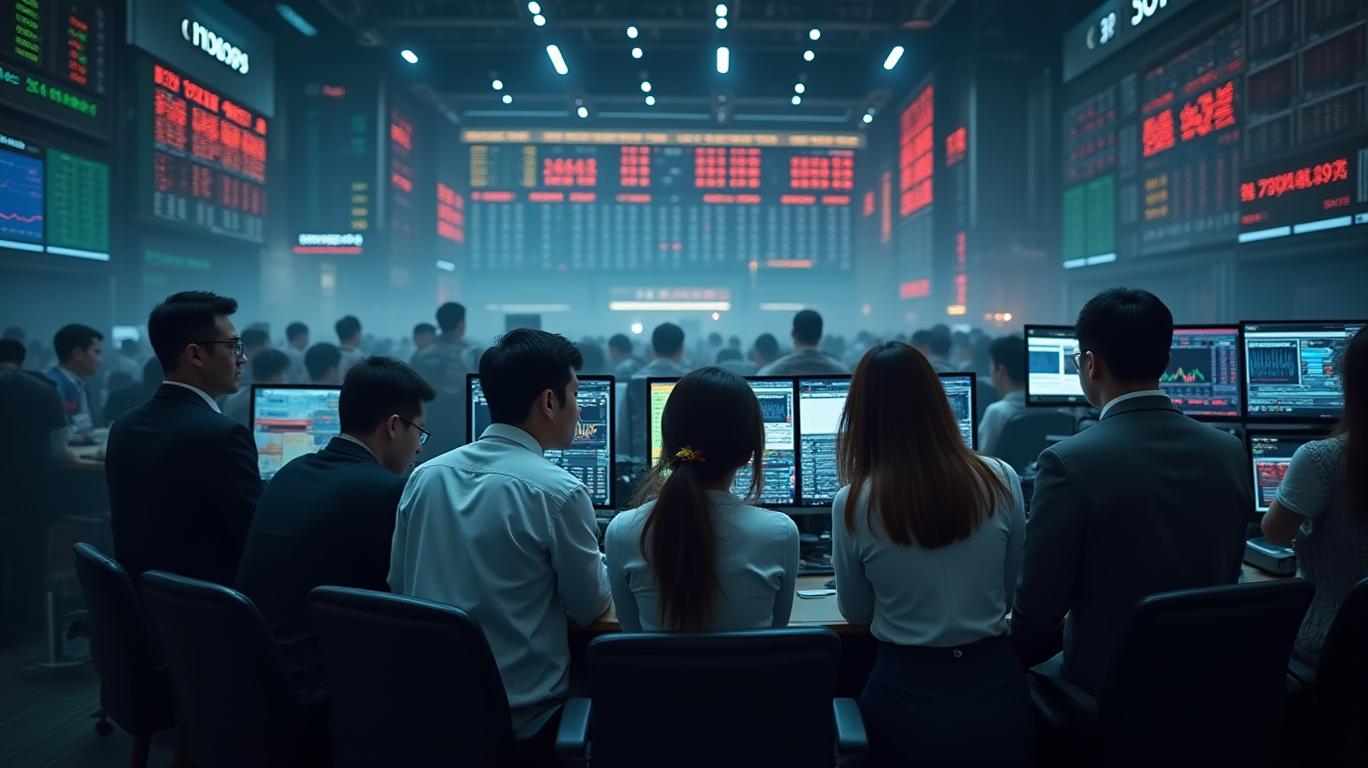
The Hang Seng Tech Index, which tracks the performance of Hong Kong-listed tech companies, has been volatile due to ongoing US-China trade tensions. In 2020, the index increased by 36% and 60% in the first 10 months, but it has since experienced fluctuations. The Hang Seng Tech Index Futures and Options, launched in 2020, provide investors with tools to manage risks in their exposures to Hong Kong-listed technology companies. However, the ongoing trade tensions have created uncertainty, affecting the performance of tech stocks and the broader market.
Regulatory changes, particularly those related to AI processors and cryptocurrencies, have been impacting the Hong Kong stock market. The Biden administration's consideration of capping sales of advanced AI processors to certain countries has led to a slump in US chip stocks, tracking the decline in the Hang Seng Tech Index. Meanwhile, the volatile nature of cryptocurrencies, coupled with regulatory uncertainty, has contributed to the weakness in the Technology Index.
Domestic property and pharmaceutical outsourcing stocks have also been affected, with China Res Land and Wuxi Bio down over 3%. Investors are cautious, awaiting further policy easing in the Chinese property market and clarity on regulatory changes.
The Hong Kong stock market's sluggish performance can be attributed to a combination of factors, including global economic indicators. The Hang Seng Index has fallen by 7.22% over the last 12 months, reflecting broader market concerns. GDP growth rates and inflation rates play a significant role in shaping investor sentiment. As of 2024, Hong Kong's GDP growth rate is projected to be around 2.5%, which is lower than the global average. Additionally, inflation rates have been relatively stable, hovering around 2.5%. These indicators suggest a cautious outlook for the Hong Kong economy, contributing to the market's sluggish performance.
In conclusion, the Hong Kong stock market continues to face challenges, with the Technology Index down over 1% and domestic property and pharmaceutical outsourcing stocks weakened. Investors are awaiting further policy easing in the Chinese property market and clarity on regulatory changes, particularly those related to AI processors and cryptocurrencies. The market's performance is influenced by a combination of factors, including global economic indicators and geopolitical tensions. As the market navigates these challenges, investors should remain vigilant and adaptable to capitalize on emerging opportunities.
The Hong Kong stock market continued its sluggish performance today, with the Technology Index down over 1%. Domestic property and pharmaceutical outsourcing stocks also weakened, with China Res Land and Wuxi Bio down over 3%. Cryptocurrencies, however, remained resilient despite regulatory uncertainty.
The Hang Seng Tech Index, which tracks the performance of Hong Kong-listed tech companies, has been volatile due to ongoing US-China trade tensions. In 2020, the index increased by 36% and 60% in the first 10 months, but it has since experienced fluctuations. The Hang Seng Tech Index Futures and Options, launched in 2020, provide investors with tools to manage risks in their exposures to Hong Kong-listed technology companies. However, the ongoing trade tensions have created uncertainty, affecting the performance of tech stocks and the broader market.
Regulatory changes, particularly those related to AI processors and cryptocurrencies, have been impacting the Hong Kong stock market. The Biden administration's consideration of capping sales of advanced AI processors to certain countries has led to a slump in US chip stocks, tracking the decline in the Hang Seng Tech Index. Meanwhile, the volatile nature of cryptocurrencies, coupled with regulatory uncertainty, has contributed to the weakness in the Technology Index.
Domestic property and pharmaceutical outsourcing stocks have also been affected, with China Res Land and Wuxi Bio down over 3%. Investors are cautious, awaiting further policy easing in the Chinese property market and clarity on regulatory changes.
The Hong Kong stock market's sluggish performance can be attributed to a combination of factors, including global economic indicators. The Hang Seng Index has fallen by 7.22% over the last 12 months, reflecting broader market concerns. GDP growth rates and inflation rates play a significant role in shaping investor sentiment. As of 2024, Hong Kong's GDP growth rate is projected to be around 2.5%, which is lower than the global average. Additionally, inflation rates have been relatively stable, hovering around 2.5%. These indicators suggest a cautious outlook for the Hong Kong economy, contributing to the market's sluggish performance.
In conclusion, the Hong Kong stock market continues to face challenges, with the Technology Index down over 1% and domestic property and pharmaceutical outsourcing stocks weakened. Investors are awaiting further policy easing in the Chinese property market and clarity on regulatory changes, particularly those related to AI processors and cryptocurrencies. The market's performance is influenced by a combination of factors, including global economic indicators and geopolitical tensions. As the market navigates these challenges, investors should remain vigilant and adaptable to capitalize on emerging opportunities.

Divulgación editorial y transparencia de la IA: Ainvest News utiliza tecnología avanzada de Modelos de Lenguaje Largo (LLM) para sintetizar y analizar datos de mercado en tiempo real. Para garantizar los más altos estándares de integridad, cada artículo se somete a un riguroso proceso de verificación con participación humana.
Mientras la IA asiste en el procesamiento de datos y la redacción inicial, un miembro editorial profesional de Ainvest revisa, verifica y aprueba de forma independiente todo el contenido para garantizar su precisión y cumplimiento con los estándares editoriales de Ainvest Fintech Inc. Esta supervisión humana está diseñada para mitigar las alucinaciones de la IA y garantizar el contexto financiero.
Advertencia sobre inversiones: Este contenido se proporciona únicamente con fines informativos y no constituye asesoramiento profesional de inversión, legal o financiero. Los mercados conllevan riesgos inherentes. Se recomienda a los usuarios que realicen una investigación independiente o consulten a un asesor financiero certificado antes de tomar cualquier decisión. Ainvest Fintech Inc. se exime de toda responsabilidad por las acciones tomadas con base en esta información. ¿Encontró un error? Reportar un problema


SOBRE NOSOTROS
Nuestra historiaAutores de noticiasBase de conocimientosPolítica de privacidadTérmino de usoDescargo de responsabilidad de corretaje de tercerosTérminos de uso de AIMEDivulgaciones de riesgos de AInvest AICarrerasCONTÁCTENOS
Email: support@ainvest.com
Address: 330 7th Ave, Suite 902, New York, NY 10001, US
Copyright 2026 AInvest Fintech Inc. All rights reserved.


Comentarios
Aún no hay comentarios