
Hong Kong Interest Rate Cuts and Their Impact on Local and Regional Markets
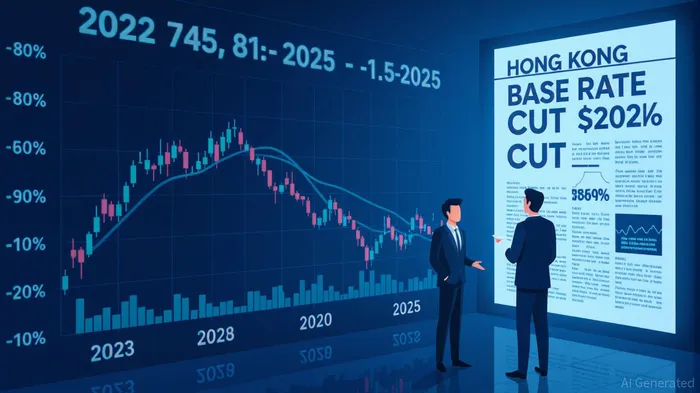
The Hong Kong Monetary Authority (HKMA) recently cut the Base Rate to 4.5% on September 18, 2025, aligning with the U.S. Federal Reserve's 25-basis-point reduction in its target federal funds rate to 4%-4.25% [1]. This decision, rooted in Hong Kong's currency board system, underscores the city's deep integration with U.S. monetary policy. The rate cut is expected to reshape capital flows, stimulate sectoral investments, and influence regional dynamics across mainland China and Southeast Asia.
Capital Reallocation and Sectoral Opportunities
The reduction in borrowing costs has immediate implications for Hong Kong's economy. With the 1-month Hong Kong Interbank Offered Rate (HIBOR) dropping to 0.60%—the lowest since 2022—investors and businesses face eased repayment pressures [3]. This environment is likely to drive capital toward sectors with growth potential.
Property and Logistics Sectors: Institutional investors are increasingly eyeing value-driven opportunities such as student accommodation and logistics assets. The logistics sector, in particular, benefits from e-commerce growth and demand for high-quality facilities, making it an attractive segment for foreign capital [2]. However, commercial property markets face headwinds, including negative cash flow and high vacancy rates, exacerbated by geopolitical tensions and uncertainty over future U.S. rate cuts [1].
Banking and Consumer Sectors: Lower funding costs may prompt banks to reallocate capital toward higher-yielding assets while offering more favorable loan terms to borrowers. This could stimulate consumer spending, particularly in a market where mortgage refinancing and business expansion are key drivers of economic activity [2].
Regional Market Impacts
Hong Kong's rate cut is also reshaping capital flows across the Greater Bay Area and Southeast Asia. Historically a conduit for Chinese capital to access offshore assets, Hong Kong is witnessing expanded Southbound flows through mechanisms like the Wealth Management Connect program. Enhanced in 2024, this initiative allowed quotas to rise and diversified product offerings, resulting in over RMB68 billion in inflows between March and July 2025 [4].
As U.S. interest rates decline, the arbitrage-driven appeal of high-yield deposits in Hong Kong is waning, shifting investor focus toward bonds and multi-asset funds [4]. Meanwhile, Southeast Asian markets may benefit from Hong Kong's role as a regional financial hub, with capital seeking higher returns in emerging economies.
Challenges and Strategic Considerations
Despite these opportunities, challenges persist. The commercial property market's struggles—marked by subdued non-residential transactions in Q1 2025—highlight the need for policy interventions to stimulate demand [3]. Additionally, regulatory constraints on the Wealth Management Connect, such as restrictions on marketing and active investment advice, limit banks' ability to engage mainland clients proactively [4].
Conclusion
Hong Kong's rate cut reflects a strategic alignment with global monetary trends while unlocking new investment avenues. For investors, the logistics and banking sectors present compelling opportunities, while regional flows underscore the city's evolving role in China's financial integration. However, success will depend on navigating regulatory hurdles and leveraging policy-driven stimuli to sustain momentum.







Comentarios
Aún no hay comentarios