
Honda, Nissan Tie-up: A Marathon, Not a Sprint
Generado por agente de IAWesley Park
martes, 24 de diciembre de 2024, 8:50 am ET1 min de lectura
HMC--
The proposed merger between Honda and Nissan, two Japanese automotive giants, has sparked excitement and anticipation in the industry. This potential union could create the world's third-largest automaker, trailing only Toyota and Volkswagen. However, the road to integration will be a marathon, not a sprint, requiring both companies to invest time and resources to ensure a successful union.
The Honda-Nissan tie-up, if realized, would bring together two companies with distinct strengths and challenges. Honda, the larger of the two, has a strong presence in the global market and a reputation for innovation. However, it has struggled to gain a foothold in the electric vehicle (EV) market, where Nissan has made significant strides. Nissan, on the other hand, has been a pioneer in EV technology but has faced financial difficulties in recent years.
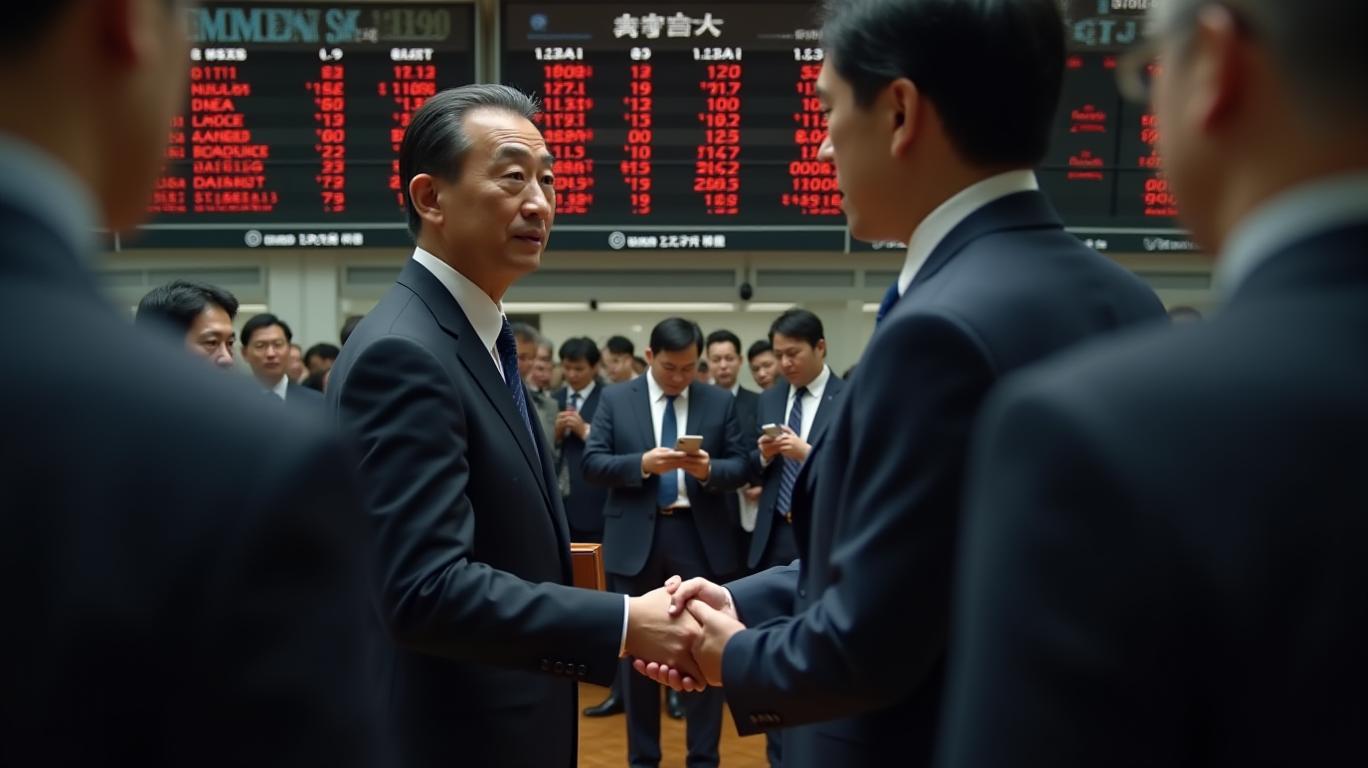
The integration of Honda's and Nissan's respective strengths in electric vehicle technology and battery production could significantly enhance their competitiveness in the global market. Honda's expertise in fuel-cell technology and hybrid powertrains, combined with Nissan's experience in mass-producing electric vehicles and battery production, could lead to innovative solutions for next-generation EVs. By sharing resources and knowledge, the merged company could accelerate the development and deployment of advanced EV technologies, enabling them to better compete with established and emerging players in the global market.
However, merging two distinct corporate cultures presents significant challenges. Honda's culture emphasizes innovation and quality, while Nissan's is more focused on cost-efficiency and mass production. To ensure a successful integration, the new entity must foster a culture that combines these strengths. This can be achieved by creating a shared vision and values, promoting cross-functional collaboration, and encouraging open communication. Additionally, the new management should ensure that both brands maintain their unique identities while leveraging synergies in areas like technology and manufacturing.
The Honda-Nissan tie-up, if successful, will create the world's third-largest automaker, trailing only Toyota and Volkswagen. With increased scale and resources, the combined company can better compete with Chinese automakers and industry giants. By leveraging each other's strengths, they can create a more formidable rival to Toyota, Japan's market leader. The combined company could be worth about $55 billion based on the market capitalization of all three automakers, adding scale to compete with Toyota and Volkswagen.
In conclusion, the proposed merger between Honda and Nissan is an exciting development in the automotive industry. However, the road to integration will be a marathon, not a sprint, requiring both companies to invest time and resources to ensure a successful union. By leveraging each other's strengths and fostering a combined culture, the merged company can better compete in the global market and create value for shareholders.
TM--
The proposed merger between Honda and Nissan, two Japanese automotive giants, has sparked excitement and anticipation in the industry. This potential union could create the world's third-largest automaker, trailing only Toyota and Volkswagen. However, the road to integration will be a marathon, not a sprint, requiring both companies to invest time and resources to ensure a successful union.
The Honda-Nissan tie-up, if realized, would bring together two companies with distinct strengths and challenges. Honda, the larger of the two, has a strong presence in the global market and a reputation for innovation. However, it has struggled to gain a foothold in the electric vehicle (EV) market, where Nissan has made significant strides. Nissan, on the other hand, has been a pioneer in EV technology but has faced financial difficulties in recent years.
The integration of Honda's and Nissan's respective strengths in electric vehicle technology and battery production could significantly enhance their competitiveness in the global market. Honda's expertise in fuel-cell technology and hybrid powertrains, combined with Nissan's experience in mass-producing electric vehicles and battery production, could lead to innovative solutions for next-generation EVs. By sharing resources and knowledge, the merged company could accelerate the development and deployment of advanced EV technologies, enabling them to better compete with established and emerging players in the global market.
However, merging two distinct corporate cultures presents significant challenges. Honda's culture emphasizes innovation and quality, while Nissan's is more focused on cost-efficiency and mass production. To ensure a successful integration, the new entity must foster a culture that combines these strengths. This can be achieved by creating a shared vision and values, promoting cross-functional collaboration, and encouraging open communication. Additionally, the new management should ensure that both brands maintain their unique identities while leveraging synergies in areas like technology and manufacturing.
The Honda-Nissan tie-up, if successful, will create the world's third-largest automaker, trailing only Toyota and Volkswagen. With increased scale and resources, the combined company can better compete with Chinese automakers and industry giants. By leveraging each other's strengths, they can create a more formidable rival to Toyota, Japan's market leader. The combined company could be worth about $55 billion based on the market capitalization of all three automakers, adding scale to compete with Toyota and Volkswagen.
In conclusion, the proposed merger between Honda and Nissan is an exciting development in the automotive industry. However, the road to integration will be a marathon, not a sprint, requiring both companies to invest time and resources to ensure a successful union. By leveraging each other's strengths and fostering a combined culture, the merged company can better compete in the global market and create value for shareholders.

Divulgación editorial y transparencia de la IA: Ainvest News utiliza tecnología avanzada de Modelos de Lenguaje Largo (LLM) para sintetizar y analizar datos de mercado en tiempo real. Para garantizar los más altos estándares de integridad, cada artículo se somete a un riguroso proceso de verificación con participación humana.
Mientras la IA asiste en el procesamiento de datos y la redacción inicial, un miembro editorial profesional de Ainvest revisa, verifica y aprueba de forma independiente todo el contenido para garantizar su precisión y cumplimiento con los estándares editoriales de Ainvest Fintech Inc. Esta supervisión humana está diseñada para mitigar las alucinaciones de la IA y garantizar el contexto financiero.
Advertencia sobre inversiones: Este contenido se proporciona únicamente con fines informativos y no constituye asesoramiento profesional de inversión, legal o financiero. Los mercados conllevan riesgos inherentes. Se recomienda a los usuarios que realicen una investigación independiente o consulten a un asesor financiero certificado antes de tomar cualquier decisión. Ainvest Fintech Inc. se exime de toda responsabilidad por las acciones tomadas con base en esta información. ¿Encontró un error? Reportar un problema


SOBRE NOSOTROS
Nuestra historiaAutores de noticiasBase de conocimientosPolítica de privacidadTérmino de usoDescargo de responsabilidad de corretaje de tercerosTérminos de uso de AIMEDivulgaciones de riesgos de AInvest AICarrerasCONTÁCTENOS
Email: support@ainvest.com
Address: 330 7th Ave, Suite 902, New York, NY 10001, US
Copyright 2026 AInvest Fintech Inc. All rights reserved.


Comentarios
Aún no hay comentarios