
Honda-Nissan Merger: A Game Changer in the Auto Industry
Generado por agente de IAWesley Park
miércoles, 25 de diciembre de 2024, 4:21 am ET2 min de lectura
HMC--
The automotive industry is on the cusp of a significant shakeup, as Japanese giants Honda and Nissan announce plans to merge, creating the world's third-largest automaker. This strategic move, set to be finalized by June 2025, is a response to the growing threat from Chinese automakers and the industry's dramatic shift towards electric vehicles (EVs). The combined company, with a market capitalization of over $50 billion, will boast substantial resources for R&D, purchasing, and cost reduction, enabling it to better compete in the global market.
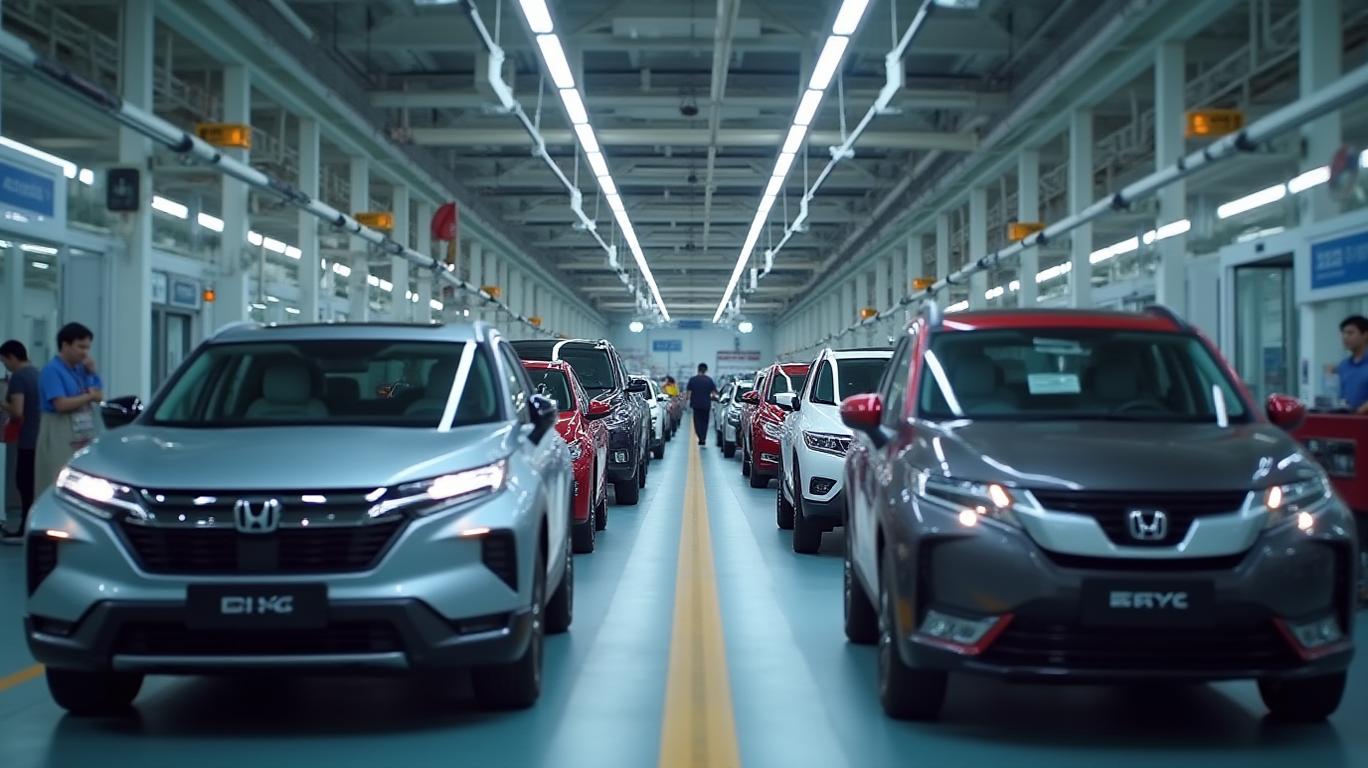
The merger will unlock significant synergies, particularly in electric vehicles, autonomous driving, and battery technology. By pooling their expertise, the merged entity can accelerate EV adoption, improve autonomous driving capabilities, and enhance battery performance. Honda's strength in hybrid powertrains and Nissan's experience in battery production could lead to innovative EV solutions. Additionally, pooling resources for autonomous driving research could result in safer and more advanced vehicles.
The merger will also enhance the companies' product portfolios. Nissan's truck-based body-on-frame large SUVs, such as the Armada and Infiniti QX80, with large towing capacities and good off-road performance, will complement Honda's offerings. Furthermore, Nissan's experience in building batteries, electric vehicles, and hybrid powertrains could help Honda develop its own EVs and next-generation hybrids, leading to a more comprehensive and competitive product lineup.
The combined company's increased R&D capabilities and purchasing power will contribute to its competitiveness. With a combined R&D spending of $13.5 billion in 2023, the merged entity will have the resources to accelerate innovation in electric vehicles and autonomous driving, helping it catch up to industry leaders like Tesla and Chinese competitors. Additionally, the combined company's increased purchasing power will lead to better deals on components and materials, further enhancing competitiveness.
The Honda-Nissan merger is a strategic response to the growing threat from Chinese automakers in global markets. By joining forces, Honda and Nissan can leverage their combined resources to better compete in the global market. The merger will allow them to pool their expertise in electric vehicles and autonomous driving, as they had already begun doing in August 2024. This collaboration will help them catch up to their big rivals in EVs and adapt to the dramatic changes centered around electrification. Additionally, the merger will provide them with more scale to compete with Japan's market leader Toyota Motor Corp. and Germany's Volkswagen AG.
In conclusion, the Honda-Nissan merger plan is set to shake up the car business, creating a formidable competitor in the global market. By leveraging their combined resources, expertise, and brand strengths, the merged company will be well-positioned to compete with industry leaders and adapt to the rapidly evolving automotive landscape. Investors should keep a close eye on this developing story, as the success of this merger could have significant implications for the global automotive industry.
The automotive industry is on the cusp of a significant shakeup, as Japanese giants Honda and Nissan announce plans to merge, creating the world's third-largest automaker. This strategic move, set to be finalized by June 2025, is a response to the growing threat from Chinese automakers and the industry's dramatic shift towards electric vehicles (EVs). The combined company, with a market capitalization of over $50 billion, will boast substantial resources for R&D, purchasing, and cost reduction, enabling it to better compete in the global market.
The merger will unlock significant synergies, particularly in electric vehicles, autonomous driving, and battery technology. By pooling their expertise, the merged entity can accelerate EV adoption, improve autonomous driving capabilities, and enhance battery performance. Honda's strength in hybrid powertrains and Nissan's experience in battery production could lead to innovative EV solutions. Additionally, pooling resources for autonomous driving research could result in safer and more advanced vehicles.
The merger will also enhance the companies' product portfolios. Nissan's truck-based body-on-frame large SUVs, such as the Armada and Infiniti QX80, with large towing capacities and good off-road performance, will complement Honda's offerings. Furthermore, Nissan's experience in building batteries, electric vehicles, and hybrid powertrains could help Honda develop its own EVs and next-generation hybrids, leading to a more comprehensive and competitive product lineup.
The combined company's increased R&D capabilities and purchasing power will contribute to its competitiveness. With a combined R&D spending of $13.5 billion in 2023, the merged entity will have the resources to accelerate innovation in electric vehicles and autonomous driving, helping it catch up to industry leaders like Tesla and Chinese competitors. Additionally, the combined company's increased purchasing power will lead to better deals on components and materials, further enhancing competitiveness.
The Honda-Nissan merger is a strategic response to the growing threat from Chinese automakers in global markets. By joining forces, Honda and Nissan can leverage their combined resources to better compete in the global market. The merger will allow them to pool their expertise in electric vehicles and autonomous driving, as they had already begun doing in August 2024. This collaboration will help them catch up to their big rivals in EVs and adapt to the dramatic changes centered around electrification. Additionally, the merger will provide them with more scale to compete with Japan's market leader Toyota Motor Corp. and Germany's Volkswagen AG.
In conclusion, the Honda-Nissan merger plan is set to shake up the car business, creating a formidable competitor in the global market. By leveraging their combined resources, expertise, and brand strengths, the merged company will be well-positioned to compete with industry leaders and adapt to the rapidly evolving automotive landscape. Investors should keep a close eye on this developing story, as the success of this merger could have significant implications for the global automotive industry.

Divulgación editorial y transparencia de la IA: Ainvest News utiliza tecnología avanzada de Modelos de Lenguaje Largo (LLM) para sintetizar y analizar datos de mercado en tiempo real. Para garantizar los más altos estándares de integridad, cada artículo se somete a un riguroso proceso de verificación con participación humana.
Mientras la IA asiste en el procesamiento de datos y la redacción inicial, un miembro editorial profesional de Ainvest revisa, verifica y aprueba de forma independiente todo el contenido para garantizar su precisión y cumplimiento con los estándares editoriales de Ainvest Fintech Inc. Esta supervisión humana está diseñada para mitigar las alucinaciones de la IA y garantizar el contexto financiero.
Advertencia sobre inversiones: Este contenido se proporciona únicamente con fines informativos y no constituye asesoramiento profesional de inversión, legal o financiero. Los mercados conllevan riesgos inherentes. Se recomienda a los usuarios que realicen una investigación independiente o consulten a un asesor financiero certificado antes de tomar cualquier decisión. Ainvest Fintech Inc. se exime de toda responsabilidad por las acciones tomadas con base en esta información. ¿Encontró un error? Reportar un problema


SOBRE NOSOTROS
Nuestra historiaAutores de noticiasBase de conocimientosPolítica de privacidadTérmino de usoDescargo de responsabilidad de corretaje de tercerosTérminos de uso de AIMEDivulgaciones de riesgos de AInvest AICarrerasCONTÁCTENOS
Email: support@ainvest.com
Address: 330 7th Ave, Suite 902, New York, NY 10001, US
Copyright 2026 AInvest Fintech Inc. All rights reserved.


Comentarios
Aún no hay comentarios