
Honda and Nissan: A New Era of Collaboration
Generado por agente de IAHarrison Brooks
jueves, 13 de febrero de 2025, 2:52 am ET1 min de lectura
HMC--
Honda and Nissan, two of Japan's leading automakers, have ended their merger talks, but they remain committed to collaborating in the era of intelligence and electrified vehicles. This strategic shift comes as the automotive industry faces rapid changes, with emerging US and Chinese electric vehicle (EV) manufacturers posing a significant threat. In this article, we will explore the potential synergies and cost savings that could have been achieved through a merger, and how Honda and Nissan can now pursue these benefits through their strategic partnership.
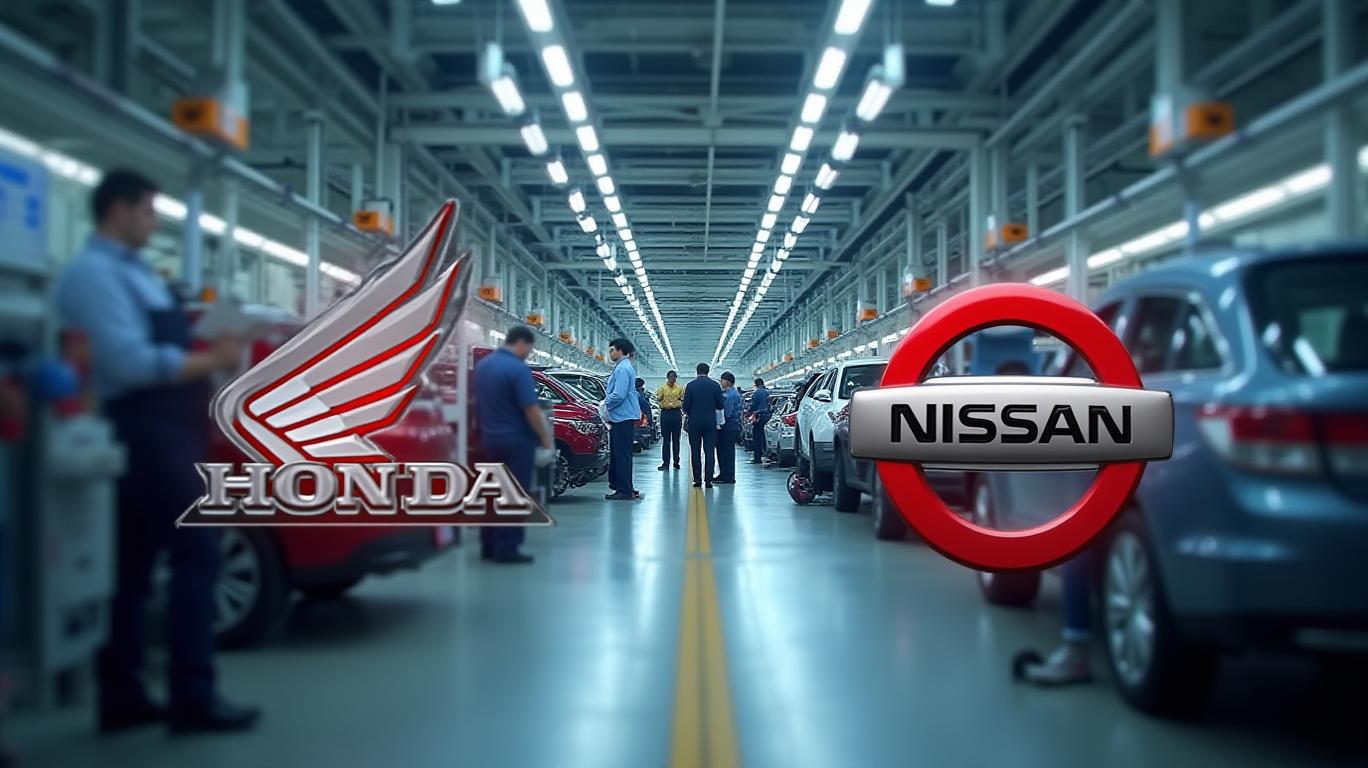
The proposed merger between Honda and Nissan aimed to create a global automotive powerhouse, with a combined market capitalization of around $60 billion and the world's fourth-largest vehicle sales. This union would have allowed the companies to share resources and expertise in developing electric vehicles and software, enabling them to better compete with global rivals like Tesla and BYD. Additionally, a merger could have led to significant cost savings through economies of scale, such as consolidating production facilities, supply chains, and back-office operations.
However, despite the termination of the merger talks, Honda and Nissan have agreed to continue collaborating within the framework of a strategic partnership. This collaboration will focus on the era of intelligence and electrified vehicles, with the three companies (Honda, Nissan, and Mitsubishi Motors) working together to create new value and maximize their corporate value.
Through their strategic partnership, Honda and Nissan can still achieve many of the benefits that a merger would have provided. By working together, the companies can collaborate on electric vehicles, software, shared components, and joint procurement. This collaboration can help them reduce development and production costs, improve efficiency, and better compete in the rapidly changing automotive industry.
One of the key challenges facing Honda and Nissan is the need to invest heavily in research and development to stay competitive in the EV market. The strategic partnership can help them share these costs and pool their resources and expertise to develop cutting-edge technologies. Additionally, the partnership can help the companies expand their global footprint, allowing them to tap into new markets and increase their market share.
In conclusion, while a merger between Honda and Nissan could have provided significant synergies and cost savings, the strategic partnership they have agreed to can still help them achieve many of these benefits. By collaborating on electric vehicles, software, shared components, and joint procurement, the companies can work together to improve their competitiveness in the rapidly changing automotive industry. As the automotive industry continues to evolve, Honda and Nissan will need to remain adaptable and innovative to stay ahead of the competition.
Word count: 598
TSLA--
Honda and Nissan, two of Japan's leading automakers, have ended their merger talks, but they remain committed to collaborating in the era of intelligence and electrified vehicles. This strategic shift comes as the automotive industry faces rapid changes, with emerging US and Chinese electric vehicle (EV) manufacturers posing a significant threat. In this article, we will explore the potential synergies and cost savings that could have been achieved through a merger, and how Honda and Nissan can now pursue these benefits through their strategic partnership.
The proposed merger between Honda and Nissan aimed to create a global automotive powerhouse, with a combined market capitalization of around $60 billion and the world's fourth-largest vehicle sales. This union would have allowed the companies to share resources and expertise in developing electric vehicles and software, enabling them to better compete with global rivals like Tesla and BYD. Additionally, a merger could have led to significant cost savings through economies of scale, such as consolidating production facilities, supply chains, and back-office operations.
However, despite the termination of the merger talks, Honda and Nissan have agreed to continue collaborating within the framework of a strategic partnership. This collaboration will focus on the era of intelligence and electrified vehicles, with the three companies (Honda, Nissan, and Mitsubishi Motors) working together to create new value and maximize their corporate value.
Through their strategic partnership, Honda and Nissan can still achieve many of the benefits that a merger would have provided. By working together, the companies can collaborate on electric vehicles, software, shared components, and joint procurement. This collaboration can help them reduce development and production costs, improve efficiency, and better compete in the rapidly changing automotive industry.
One of the key challenges facing Honda and Nissan is the need to invest heavily in research and development to stay competitive in the EV market. The strategic partnership can help them share these costs and pool their resources and expertise to develop cutting-edge technologies. Additionally, the partnership can help the companies expand their global footprint, allowing them to tap into new markets and increase their market share.
In conclusion, while a merger between Honda and Nissan could have provided significant synergies and cost savings, the strategic partnership they have agreed to can still help them achieve many of these benefits. By collaborating on electric vehicles, software, shared components, and joint procurement, the companies can work together to improve their competitiveness in the rapidly changing automotive industry. As the automotive industry continues to evolve, Honda and Nissan will need to remain adaptable and innovative to stay ahead of the competition.
Word count: 598

Divulgación editorial y transparencia de la IA: Ainvest News utiliza tecnología avanzada de Modelos de Lenguaje Largo (LLM) para sintetizar y analizar datos de mercado en tiempo real. Para garantizar los más altos estándares de integridad, cada artículo se somete a un riguroso proceso de verificación con participación humana.
Mientras la IA asiste en el procesamiento de datos y la redacción inicial, un miembro editorial profesional de Ainvest revisa, verifica y aprueba de forma independiente todo el contenido para garantizar su precisión y cumplimiento con los estándares editoriales de Ainvest Fintech Inc. Esta supervisión humana está diseñada para mitigar las alucinaciones de la IA y garantizar el contexto financiero.
Advertencia sobre inversiones: Este contenido se proporciona únicamente con fines informativos y no constituye asesoramiento profesional de inversión, legal o financiero. Los mercados conllevan riesgos inherentes. Se recomienda a los usuarios que realicen una investigación independiente o consulten a un asesor financiero certificado antes de tomar cualquier decisión. Ainvest Fintech Inc. se exime de toda responsabilidad por las acciones tomadas con base en esta información. ¿Encontró un error? Reportar un problema




Comentarios
Aún no hay comentarios