
Home Sales: Echoes of the Great Recession
Generado por agente de IATheodore Quinn
miércoles, 26 de marzo de 2025, 12:58 am ET2 min de lectura
The housing market is in a state of stagnation, with home sales barely above the levels seen in the aftermath of the Great Recession. This time, however, the culprit isn't a financial crisis but a combination of high home prices and elevated mortgage rates. The result is a market where neither buyers nor sellers are particularly active, leading to a tepid pace of transactions.
In January 2025, total home sales came in at 4.7 million, a figure that is only modestly above the weak rate experienced between 2008 and 2010. This is a stark contrast to the pre-pandemic era, when sales figures tended to hover around 6 million, and the pandemic housing boomBOOM--, when they were even higher. The current economic environment doesn't resemble that of the financial crisis, but there are parallels that can help explain the current conundrum.
Home prices soared throughout the pandemic, and mortgage rates followed suit as the Federal Reserve entered a tightening cycle to combat inflation. The combination of high home prices and high mortgage rates has hurt demand, making it difficult for many would-be buyers to afford a home. On the other hand, some homeowners who secured low mortgage rates during the pandemic or are mortgage-free aren't selling, a phenomenon known as the lock-in effect. This only exacerbates an existing shortfall of homes due to decades of underbuilding.
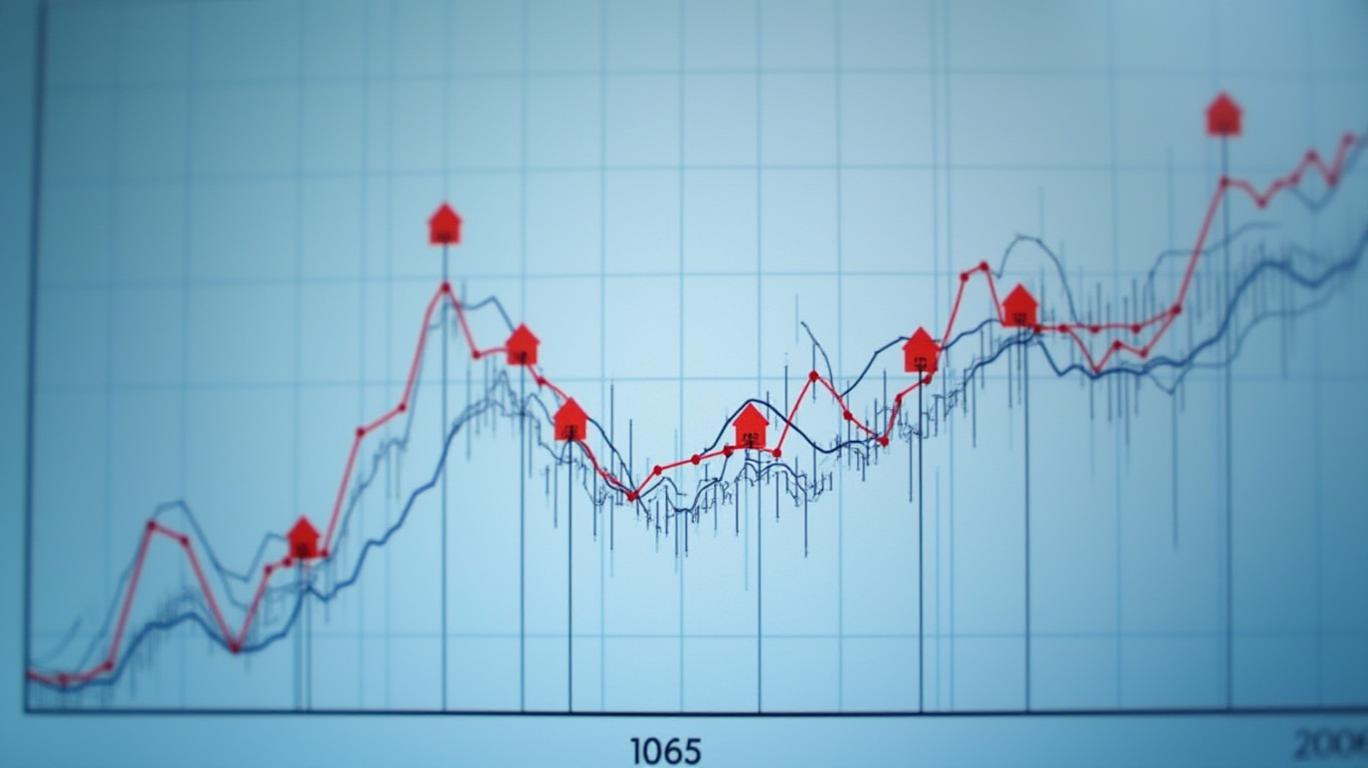
The tepid pace of home sales can't be blamed on a recession. Rather, the main factor weighing on residential activity continues to be adverse affordability conditions. In addition to high mortgage rates, home prices continue to rise. Since February 2020, home prices have increased by 45%, and the average 30-year fixed mortgage rate is 6.67%, compared to 3% in February 2020. The country is still short almost four million homes, too.
"Given affordability will remain extremely unfavorable for most buyers, the pace of home sales is expected to remain weak and not far from the low levels hit in the aftermath of the financial crisis," said Wells FargoWFC-- senior economist Charlie Dougherty.
The lock-in effect is a significant factor in the current housing market. Homeowners who secured low mortgage rates during the pandemic or are mortgage-free are reluctant to sell their homes. This phenomenon exacerbates the existing shortfall of homes due to decades of underbuilding. As a result, the supply of available homes remains constrained, which in turn drives up home prices.
The impact of the lock-in effect on future home sales and prices is multifaceted. On one hand, the reduced supply of homes for sale can lead to increased competition among buyers, driving up prices even further. On the other hand, the lack of inventory can deter potential buyers who are already facing high home prices and mortgage rates, leading to a continued slowdown in home sales.
In conclusion, the current housing market is facing significant challenges due to high home prices and mortgage rates, as well as the lock-in effect. These factors are likely to keep home sales weak and prices high in the near future. Investors and homebuyers alike should be prepared for a prolonged period of stagnation in the housing market.



Divulgación editorial y transparencia de la IA: Ainvest News utiliza tecnología avanzada de Modelos de Lenguaje Largo (LLM) para sintetizar y analizar datos de mercado en tiempo real. Para garantizar los más altos estándares de integridad, cada artículo se somete a un riguroso proceso de verificación con participación humana.
Mientras la IA asiste en el procesamiento de datos y la redacción inicial, un miembro editorial profesional de Ainvest revisa, verifica y aprueba de forma independiente todo el contenido para garantizar su precisión y cumplimiento con los estándares editoriales de Ainvest Fintech Inc. Esta supervisión humana está diseñada para mitigar las alucinaciones de la IA y garantizar el contexto financiero.
Advertencia sobre inversiones: Este contenido se proporciona únicamente con fines informativos y no constituye asesoramiento profesional de inversión, legal o financiero. Los mercados conllevan riesgos inherentes. Se recomienda a los usuarios que realicen una investigación independiente o consulten a un asesor financiero certificado antes de tomar cualquier decisión. Ainvest Fintech Inc. se exime de toda responsabilidad por las acciones tomadas con base en esta información. ¿Encontró un error? Reportar un problema




Comentarios
Aún no hay comentarios