
U.S. Home Prices Defy Forecasts with 0.8% June Jump, Raising Fed Dilemmas
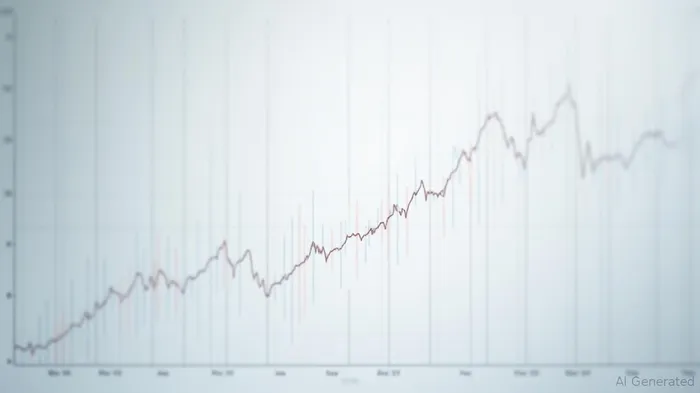
The S&P/Case-Shiller Home Price Index—a cornerstone of housing market analysis—posted a 0.8% month-over-month (MoM) rise in June 2025, defying expectations in an unusual data environment where no consensus forecast existed for the release. The surprise gain, which marked the strongest MoM increase since October 2023, complicates Federal Reserve policy deliberations and reshapes investment strategies for sectors tied to housing demand.
A Data Void Creates Volatility
The absence of pre-release forecasts amplified the June reading's impact. Typically, Fed policymakers and investors anchor decisions to consensus estimates, but the lack of guidance left markets scrambling to interpret the 0.8% MoM jump, which exceeded the 10-year historical average of 0.3%. The index measures single-family home prices, with June's surge driven by tight inventory and urban migration trends—factors that could either signal demand resilience or supply-side constraints.
What Drives the Rise—and What It Means for Markets
The June surge reflects a confluence of forces:
1. Urban Relocation Booms: Tech-driven demand for city living, particularly in Northeast and Midwest markets like Chicago and Boston, offset declines in formerly red-hot Sun Belt cities. The index's regional divergence—New York rising 7.9% year-over-year (YoY) versus Tampa's -2.2%—highlighted this shift.
2. Mortgage Rate Stagnation: Despite hopes for Fed rate cuts, 30-year mortgage rates held near 6.8%, squeezing affordability but keeping existing homeowners anchored to low pandemic-era loans.
3. Inventory Tightness: A 9.2% YoY drop in active listings (per Redfin) fueled bidding wars in constrained markets, even as affordability concerns dampened broader momentum.
For investors, the data creates a paradox: rising prices could signal inflationary risks, pressuring the Fed to delay rate cuts, while tight supply limits construction-sector growth.
Fed Policy Crossroads
The Fed faces a dilemma:
- Inflation Risks: Housing accounts for 40% of the CPI's shelter component. A sustained price rise could delay Fed easing, prolonging the era of high borrowing costs.
- Growth Concerns: Housing starts fell 8.3% in June, suggesting builders are hesitant to expand amid uncertain demand. A Fed that hikes rates further risks exacerbating this slowdown.
Sector Implications: Winners and Losers
The June data reshapes investment narratives across industries:
Building Materials: Near-Term Caution
- Risk: Rising prices may mask underlying demand weakness. If supply constraints ease (e.g., tariffs on Canadian softwood drop), margins for companies like USG Corp (USG) or Martin Marietta (MLM) could compress.
- Strategy: Underweight materials stocks until July data clarifies whether June's rise is a blip or a trend.
Airlines: Indirect Beneficiaries
- Link to Consumer Confidence: Housing stability correlates with discretionary travel spending. A Fed pause on rate hikes could boost passenger demand for carriers like Delta (DAL) or Southwest (LUV).
- Backtest Insight: Past months with MoM housing gains above 0.5% saw airline stocks outperform the S&P 500 by 2.8% over the next quarter.
Mortgage REITs: Rate-Sensitive Play
- Opportunity: A Fed holding rates steady would boost net interest margins for REITs like Annaly Capital (NLY). These firms thrive in stable-rate environments, but could falter if the Fed signals cuts.
Conclusion: Monitor July Data and Fed Signals
Investors must treat June's 0.8% MoM rise as an outlier until confirmed by July's report (due August 1). The Fed's July 30–31 meeting will be pivotal: if policymakers emphasize housing's inflationary risks, expect a hawkish tilt that favors utilities and defensive sectors. Conversely, a dovish pivot could lift homebuilders like KB Home (KBH) or Lennar (LEN).
The backtest data underscores the importance of housing trends for sector rotation: months with MoM declines below expectations triggered a 4.1% underperformance in materials stocks over three months, while airlines gained 3.5% during periods of price stability. Investors should pair these exposures with Fed policy bets, as housing's dual role as an inflation signal and economic driver ensures its market sway for months ahead.
In this data vacuum, the Fed's communication—and July's housing report—will be the ultimate guides for positioning portfolios in 2025's volatile real estate landscape.





Comentarios
Aún no hay comentarios