
US Home Insurance Costs Skyrocket in Climate-Risk Areas, Treasury Study Finds
Generado por agente de IAWesley Park
jueves, 16 de enero de 2025, 4:44 pm ET2 min de lectura
EQH--

As the United States grapples with the escalating impacts of climate change, a new study by the US Treasury Department has revealed a stark reality: home insurance costs are rising more steeply in areas prone to climate-related risks. This trend, driven by an increase in severe weather events and a growing awareness of climate risks, is reshaping the insurance landscape and presenting challenges for homeowners and insurers alike.
The study, released earlier this month, highlights the disproportionate impact of climate change on home insurance premiums in high-risk areas. In regions vulnerable to hurricanes, wildfires, and other extreme weather events, insurance costs have surged, pricing many homeowners out of the market or leaving them underinsured. This phenomenon is not limited to coastal areas; inland regions facing increased flood risks and severe storms are also experiencing significant premium hikes.
The rising costs of home insurance in climate-risk areas can be attributed to several factors. First, the increasing frequency and severity of natural disasters have led to higher claims payouts for insurers, which in turn drive up premiums. Second, reinsurance costs, which insurers use to transfer some of their risk to other companies, have skyrocketed in recent years, further increasing the burden on policyholders. Lastly, the growing awareness of climate risks has led insurers to reassess their exposure and adjust their pricing accordingly, often resulting in higher premiums for high-risk areas.
The consequences of this trend are far-reaching. Homeowners in climate-risk areas may struggle to afford insurance, leading to a rise in uninsured properties and increased financial vulnerability. Moreover, the rising costs of home insurance could exacerbate wealth disparities, as lower-income households are disproportionately affected by premium increases. Additionally, the insurance industry may face challenges in maintaining profitability and solvency in the face of escalating claims and reinsurance costs.
To address these challenges, policymakers and industry stakeholders must work together to develop innovative solutions that promote climate resilience and affordability in the home insurance market. This may include investing in climate mitigation and adaptation efforts, exploring alternative insurance products, and implementing targeted subsidies for low- and moderate-income households. By taking a proactive approach to addressing the impacts of climate change on home insurance, the United States can help ensure that all Americans have access to affordable and comprehensive coverage.
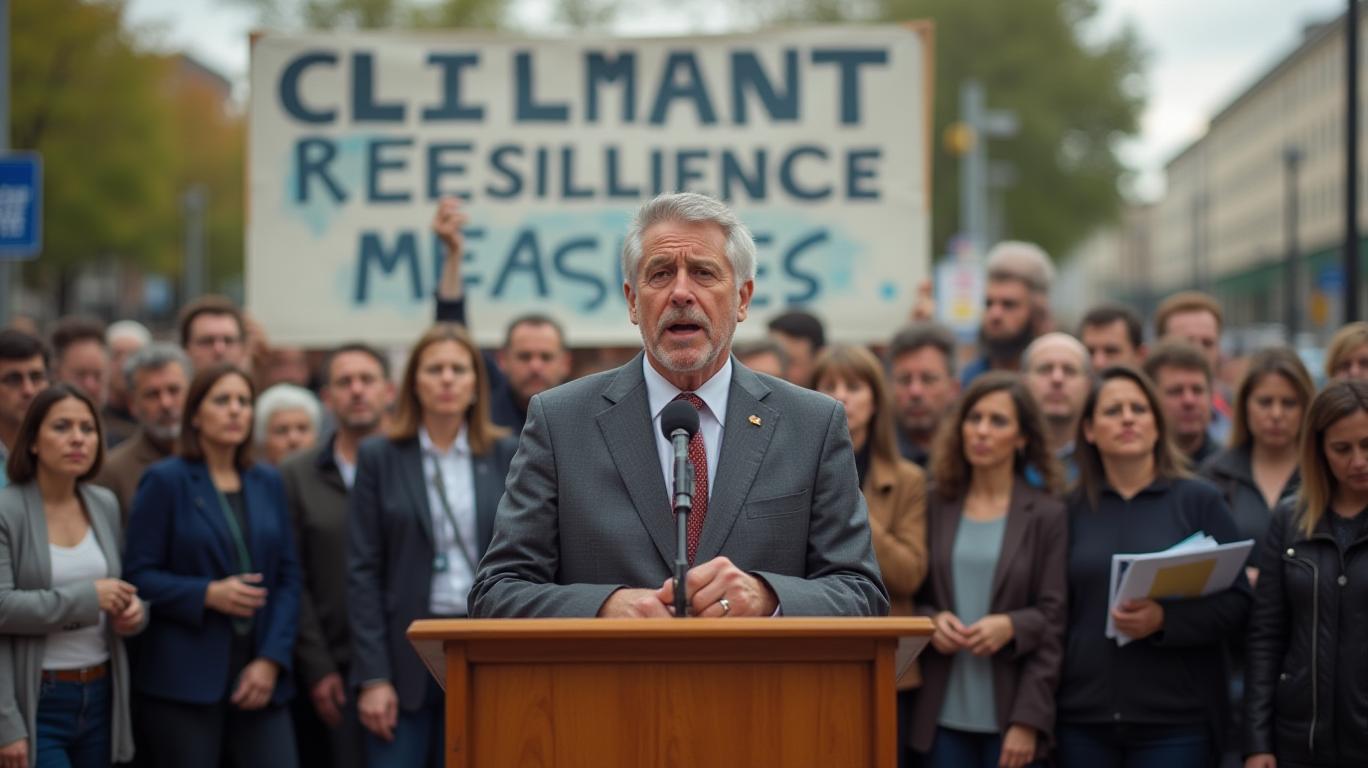
In conclusion, the US Treasury Department's study underscores the urgent need for action to address the escalating costs of home insurance in climate-risk areas. As the impacts of climate change continue to grow, it is crucial for policymakers, insurers, and homeowners to collaborate on solutions that promote climate resilience, affordability, and financial security for all Americans. By taking a proactive approach to addressing the challenges posed by climate change, the United States can help ensure a more sustainable and equitable future for its citizens.
As the United States grapples with the escalating impacts of climate change, a new study by the US Treasury Department has revealed a stark reality: home insurance costs are rising more steeply in areas prone to climate-related risks. This trend, driven by an increase in severe weather events and a growing awareness of climate risks, is reshaping the insurance landscape and presenting challenges for homeowners and insurers alike.
The study, released earlier this month, highlights the disproportionate impact of climate change on home insurance premiums in high-risk areas. In regions vulnerable to hurricanes, wildfires, and other extreme weather events, insurance costs have surged, pricing many homeowners out of the market or leaving them underinsured. This phenomenon is not limited to coastal areas; inland regions facing increased flood risks and severe storms are also experiencing significant premium hikes.
The rising costs of home insurance in climate-risk areas can be attributed to several factors. First, the increasing frequency and severity of natural disasters have led to higher claims payouts for insurers, which in turn drive up premiums. Second, reinsurance costs, which insurers use to transfer some of their risk to other companies, have skyrocketed in recent years, further increasing the burden on policyholders. Lastly, the growing awareness of climate risks has led insurers to reassess their exposure and adjust their pricing accordingly, often resulting in higher premiums for high-risk areas.
The consequences of this trend are far-reaching. Homeowners in climate-risk areas may struggle to afford insurance, leading to a rise in uninsured properties and increased financial vulnerability. Moreover, the rising costs of home insurance could exacerbate wealth disparities, as lower-income households are disproportionately affected by premium increases. Additionally, the insurance industry may face challenges in maintaining profitability and solvency in the face of escalating claims and reinsurance costs.
To address these challenges, policymakers and industry stakeholders must work together to develop innovative solutions that promote climate resilience and affordability in the home insurance market. This may include investing in climate mitigation and adaptation efforts, exploring alternative insurance products, and implementing targeted subsidies for low- and moderate-income households. By taking a proactive approach to addressing the impacts of climate change on home insurance, the United States can help ensure that all Americans have access to affordable and comprehensive coverage.
In conclusion, the US Treasury Department's study underscores the urgent need for action to address the escalating costs of home insurance in climate-risk areas. As the impacts of climate change continue to grow, it is crucial for policymakers, insurers, and homeowners to collaborate on solutions that promote climate resilience, affordability, and financial security for all Americans. By taking a proactive approach to addressing the challenges posed by climate change, the United States can help ensure a more sustainable and equitable future for its citizens.

Divulgación editorial y transparencia de la IA: Ainvest News utiliza tecnología avanzada de Modelos de Lenguaje Largo (LLM) para sintetizar y analizar datos de mercado en tiempo real. Para garantizar los más altos estándares de integridad, cada artículo se somete a un riguroso proceso de verificación con participación humana.
Mientras la IA asiste en el procesamiento de datos y la redacción inicial, un miembro editorial profesional de Ainvest revisa, verifica y aprueba de forma independiente todo el contenido para garantizar su precisión y cumplimiento con los estándares editoriales de Ainvest Fintech Inc. Esta supervisión humana está diseñada para mitigar las alucinaciones de la IA y garantizar el contexto financiero.
Advertencia sobre inversiones: Este contenido se proporciona únicamente con fines informativos y no constituye asesoramiento profesional de inversión, legal o financiero. Los mercados conllevan riesgos inherentes. Se recomienda a los usuarios que realicen una investigación independiente o consulten a un asesor financiero certificado antes de tomar cualquier decisión. Ainvest Fintech Inc. se exime de toda responsabilidad por las acciones tomadas con base en esta información. ¿Encontró un error? Reportar un problema


SOBRE NOSOTROS
Nuestra historiaAutores de noticiasBase de conocimientosPolítica de privacidadTérmino de usoDescargo de responsabilidad de corretaje de tercerosTérminos de uso de AIMEDivulgaciones de riesgos de AInvest AICarrerasCONTÁCTENOS
Email: support@ainvest.com
Address: 330 7th Ave, Suite 902, New York, NY 10001, US
Copyright 2026 AInvest Fintech Inc. All rights reserved.


Comentarios
Aún no hay comentarios