
La alianza de seguridad de Home Depot: ¿Un catalizador para el crecimiento o un “agujero negro” en la reputación de la empresa?
La alianza entre Home Depot y Flock Safety es una apuesta estratégica en materia de infraestructura de vigilancia, con un gran alcance comercial. La red en sí ya es muy amplia.Las cámaras Flock están instaladas en 173 tiendas de Lowe’s y docenas de tiendas Home Depot en Texas.Se trata de una forma en que las autoridades encargadas de hacer cumplir la ley pueden acceder a este sistema. No se trata de un proyecto experimental de carácter especial; se trata de una tecnología fundamental para la seguridad pública, que se está implementando a gran escala por parte de los principales minoristas.
Las métricas financieras destacan el potencial de crecimiento explosivo de la empresa. Flock ya ha superado…300 millones de dólares en ingresos recurrentes anuales.Con un aumento del 70% en comparación con el año anterior. Ese tipo de crecimiento, respaldado por una valoración de 7.5 mil millones de dólares por parte de inversionistas de primer nivel como Andreessen Horowitz, refleja la confianza del mercado en su tecnología de IA escalable. La plataforma de la empresa, que incluye dispositivos para leer matrículas de vehículos, sistemas de detección de disparos y sistemas de control de drones, está siendo adoptada no solo por los departamentos policiales, sino también por otros sectores relacionados.Siete de los 10 centros comerciales más grandes de los Estados Unidos.Y también los principales proveedores de servicios de salud.
Visto desde la perspectiva del crecimiento, esto representa un mercado totalmente abierto y enorme. Flock está construyendo una red nacional en la que los datos provenientes de empresas privadas como Home Depot y Lowe’s se convierten en una fuente de ingresos valiosa y recurrentes. Esta alianza permite a Home Depot acceder a esta infraestructura de alto crecimiento, sin necesidad de desarrollar la tecnología por sí mismo. Al mismo tiempo, Flock obtiene una importante plataforma comercial para expandir su presencia en el mercado. La escalabilidad es algo inherente al modelo: cada nueva tienda añade un nuevo nodo a la red de vigilancia, lo que aumenta la cantidad de datos disponibles y las posibilidades de ofrecer servicios para la aplicación de la ley. Para un inversor que busca crecimiento, este es un ejemplo clásico de cómo aprovechar el efecto de red en un negocio con márgenes altos y ingresos recurrentes.
El Vector de Crecimiento: Penetración en mercados diversos y en áreas urbanas
La estrategia de Home Depot para expandirse en mercados urbanos diversos ahora enfrenta una amenaza directa relacionada con su colaboración con Flock Safety. La estrategia de expansión de la empresa se basa en ganar la confianza de las comunidades donde viven los inmigrantes. Sin embargo, esta colaboración con Flock Safety representa un riesgo real que podría socavar esa confianza y retrasar la penetración del mercado por parte de Home Depot.
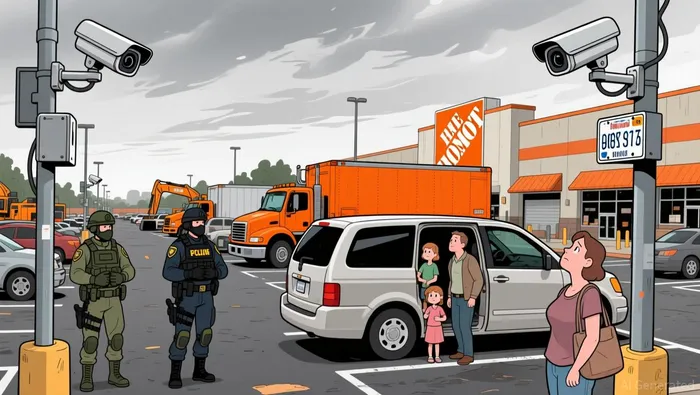
El peligro específico es evidente:Las sucursales de Home Depot se han convertido en lugares donde ocurren arrestos por parte del ICE.Los agentes federales tienen como objetivo a los trabajadores migrantes que se reúnen en los estacionamientos de las tiendas. Las cámaras de vigilancia, que recopilan datos sobre las matrículas de todos los vehículos, se utilizan como herramienta para llevar a cabo estas operaciones de control de inmigración. Esto crea un efecto desanimador para un segmento de clientes importante; el estacionamiento de una tienda, que normalmente es un lugar comercial, se convierte en un posible escenario para las acciones de los agentes federales. Para un inversor que busca crecer, este es un punto de fricción crucial: expandirse a una nueva ciudad debería aumentar el acceso al mercado, pero aquí puede ser algo que disuade activamente a ese grupo demográfico importante.
Este riesgo se intensifica en el propio territorio de la empresa. En Minneapolis, una ciudad que es fundamental para los planes de crecimiento de Home Depot, ya se está formando un entorno político hostil.No hay movimientos en favor de la eliminación del ICE entre las pequeñas empresas.Se ha arraigado este fenómeno, con restaurantes y tiendas que colocan carteles para detener a los agentes federales. Esta reacción local, alimentada por los recientes incidentes mortales, refleja una profunda resistencia de la comunidad hacia la aplicación de las leyes sobre inmigración. El silencio de Home Depot en esta cuestión, al igual que el de otras grandes corporaciones de la ciudad, contrasta marcadamente con las posiciones vociferantes adoptadas durante movimientos sociales anteriores. En un mercado donde la opinión pública es un factor clave, este silencio podría interpretarse como cómplice de la situación.
La amenaza real para la penetración en el mercado es la erosión de la confianza de los clientes. Cuando los datos de vigilancia de una tienda se relacionan con las redadas policiales relacionadas con la inmigración, esto pone en peligro la seguridad y la privacidad que los clientes esperan. Esto podría llevar a boicots y a una reducción del tráfico físico, especialmente en las áreas urbanas donde Home Depot intenta ganarse mercado. La asociación, aunque representa una oportunidad de crecimiento para Flock, también representa un riesgo para la reputación de Home Depot. Para un inversor que busca el crecimiento a largo plazo, la pregunta es si el beneficio a largo plazo de una red de vigilancia nacional supera el riesgo a corto plazo de perder la confianza de los clientes en los mercados donde la empresa intenta ganarse clientes. Además, existe un factor político y social importante que podría ralentizar la expansión de Home Depot.
Impacto financiero y estratégico: Cuantificar los riesgos
El riesgo relacionado con la reputación de Home Depot debido a su asociación de vigilancia se está convirtiendo en una presión financiera y estratégica real. Los inversores institucionales exigen respuestas claras, y las implicaciones legales y relacionadas con la imagen de la marca podrían anular cualquier pequeña ganancia que se pueda obtener de esta transacción.
Una coalición de inversores, liderada por Zevin Asset Management, ha solicitado oficialmente a Home Depot que evalúe los riesgos relacionados con la privacidad de datos y los derechos civiles de sus clientes. La propuesta presentada esta semana exige que se analice cómo se utilizan y se comparten los datos de los clientes con las autoridades encargadas de hacer cumplir la ley.Uso de los datos de Flock en las investigaciones realizadas por la Oficina de Inmigración y AduanasSe trata de una crítica directa a la gestión de riesgos de la empresa. La relación con esta empresa se considera como una posible fuente de riesgos financieros y legales. Esta presión forma parte de una tendencia más generalizada: se plantean preguntas similares en Walmart y Amazon, a medida que el cumplimiento de las leyes federales relacionadas con la inmigración se intensifica. Para Home Depot, este tipo de escrutinio institucional introduce un nuevo nivel de riesgo de gobernanza, lo cual podría distraer a la dirección de la empresa y, potencialmente, influir en las decisiones del consejo de administración.
La responsabilidad legal y regulatoria es clara. Al permitir que las autoridades encargadas de hacer cumplir la ley tengan acceso a los datos de las matrículas de los vehículos, obtenidos de todos los clientes, Home Depot crea una vía para el uso indebido de dichos datos. Como señalan los defensores de la privacidad, esos datos podrían utilizarse para fines que van más allá de la seguridad pública.Policías que siguen a las exnovias de sus exmujeres, o agentes del ICE que actúan de manera agresiva contra los trabajadores de las plazas de comercio.Esto genera serias preocupaciones en relación con posibles demandas por detención indebida o discriminación. Además, abre la puerta a medidas regulatorias en caso de violaciones de la privacidad de los datos. El silencio de la empresa sobre estos temas, al igual que el de otras grandes corporaciones de Minneapolis, no contribuye en absoluto a reducir este riesgo. En una época donde las leyes de protección de datos son cada vez más estrictas, la mera existencia de tal asociación podría considerarse como una forma de negligencia.
Lo más importante es que el impacto negativo del nombre de la marca amenaza el eje fundamental de la estrategia de crecimiento de Home Depot. La empresa está expandiéndose hacia áreas urbanas donde la confianza de la comunidad es crucial. Sin embargo, esta alianza está disuadiendo activamente a un segmento clave de clientes: los trabajadores temporales inmigrantes y sus familias. Al convertir los estacionamientos de las tiendas en posibles lugares para las redadas federales, se está dañando la reputación de la marca. Esto puede aumentar los costos de adquisición de clientes, ya que la empresa debe esforzarse por recuperar la confianza en estos mercados. Además, esto debilita la imagen de la marca en aquellas áreas donde la opinión pública es un factor importante, lo que potencialmente compensa cualquier pequeño aumento en los ingresos obtenidos con la red de vigilancia. Para un inversor que busca el crecimiento, la situación cambia: el potencial de escalabilidad de una plataforma de vigilancia ahora se ve enfrentado a un riesgo creciente de alejar a los mismos clientes que Home Depot necesita servir.
Catalizadores y puntos de control
Para un inversor que busca crecimiento, la siguiente fase crítica es identificar los signos a corto plazo que puedan validar o refutar la hipótesis de riesgo. El impacto de esta alianza en la expansión y el posicionamiento de la marca de Home Depot no es algo remoto; está siendo evaluado ahora, a través de eventos y métricas específicas.
En primer lugar, es necesario monitorear cualquier posible ataque de ICE cerca de las tiendas de Home Depot, así como cualquier reacción negativa que pueda surgir en los mercados clave. La situación en Minneapolis es un punto crítico.No hay movimientos en favor de la eliminación del ICE entre las pequeñas empresas.Se ha arraigado esta resistencia local, con los restaurantes colocando carteles que advierten a los agentes federales. Esta resistencia, alimentada por los recientes incidentes mortales, crea un entorno volátil. Cualquier nueva redada en las tiendas de Home Depot en Minneapolis o en Texas, donde la empresa cuenta con decenas de tiendas equipadas con cámaras Flock, podría provocar protestas y boicots inmediatos. El silencio de la empresa, al igual que el de otras grandes corporaciones de Minneapolis, contrasta con las posturas anteriores de estas empresas en cuanto a los problemas sociales. Esto podría considerarse como una forma de complicidad por parte de la empresa.Agentes federales sacan a las personas de los coches que se encuentran cerca de los negocios.Se trata de un evento tangible y disruptivo que podría disuadir directamente a los clientes y dañar la imagen de la marca en las áreas urbanas donde Home Depot tiene su presencia.
En segundo lugar, hay que estar atentos a la respuesta oficial de Home Depot a las demandas de los inversores, así como a cualquier cambio en los términos de su alianza con Flock Safety. Una coalición de inversores, liderada por Zevin Asset Management, ha presentado una propuesta para que se evalúen los riesgos relacionados con la privacidad y los derechos civiles. El silencio de la empresa sobre este tema es notable. Cualquier respuesta oficial –ya sea una refutación formal, un compromiso de revisar la situación o un cambio en las políticas de compartición de datos– será un indicador clave de cómo la gerencia ve esta amenaza. La propuesta menciona específicamente…Uso de datos de Flock en las investigaciones realizadas por Immigration and Customs Enforcement.Una negativa a participar o una respuesta vaga probablemente intensificaría el escepticismo de los inversores y de la comunidad. Por otro lado, una evaluación proactiva podría indicar que se está tomando medidas para reducir los riesgos.
Por último, es necesario monitorear las percepciones de los clientes y los datos relacionados con el tráfico en las tiendas en diferentes áreas urbanas, para detectar cualquier señal de deterioro en la relación con los clientes. Aunque Home Depot no revela detalles sobre el número de visitantes, se pueden deducir los cambios en las percepciones de los clientes. Esta alianza está logrando disuadir a un grupo importante de personas: los trabajadores migrantes y sus familias que se reúnen en los estacionamientos de las tiendas. Si este efecto negativo se vuelve real, podría aumentar los costos de adquisición de clientes, ya que la empresa tendrá que esforzarse por reconstruir su confianza con los clientes. En resumen, la capacidad de expansión de una red de vigilancia debe evaluarse teniendo en cuenta el riesgo de alejar a aquellos clientes que son precisamente lo que Home Depot necesita servir. Los indicadores son claros: los conflictos políticos locales, las respuestas de la gobernanza corporativa y las señales iniciales de cambio en el comportamiento de los clientes determinarán si esto será un factor de crecimiento o, por el contrario, una fuente de problemas.





Comentarios
Aún no hay comentarios