
High-Leverage BTC Shorting: A Systemic Threat to Crypto Market Integrity
The Mechanics of Risk Amplification
Decentralized exchanges (DEXs) have weaponized leverage as a competitive differentiator. By removing barriers to entry, they enable retail and institutional traders to bet aggressively on Bitcoin's price movements. However, this democratization of leverage comes at a cost. Perpetual futures contracts, which dominate trading volume on DEXs, lack expiration dates and are susceptible to gamma squeezes during sharp price swings, as noted in the Decrypt report. When a single liquidation triggers a chain reaction, liquidity dries up, and prices enter a "free fall" dynamic, also described in the same report.
A 2025 academic study quantifies this risk using Conditional Value-at-Risk (CoVaR) models, revealing that Bitcoin and EthereumETH-- are primary sources of systemic risk in crypto markets, as per a ScienceDirect study. High-frequency data from flash crashes shows that leverage ratios above 40x correlate with liquidity collapses, as seen in the 2025 geopolitical crisis that erased $380 billion in investor value, according to a Financial Security report.
Regulatory Gaps and Market Integrity Breaches
Regulators are scrambling to catch up. While the U.S. GENIUS Act mandates stablecoin audits and the UAE's VARA restricts margin trading, according to a Relmin report, decentralized platforms remain in a legal gray area. The 2025 Senate crypto bill, delayed until December, highlights jurisdictional disputes between the CFTC and SEC, as detailed in the Relmin report. Meanwhile, market integrity breaches-such as whales manipulating oracles to trigger short positions-expose vulnerabilities in DeFi's algorithmic deleveraging mechanisms, as noted in the Financial Security report.
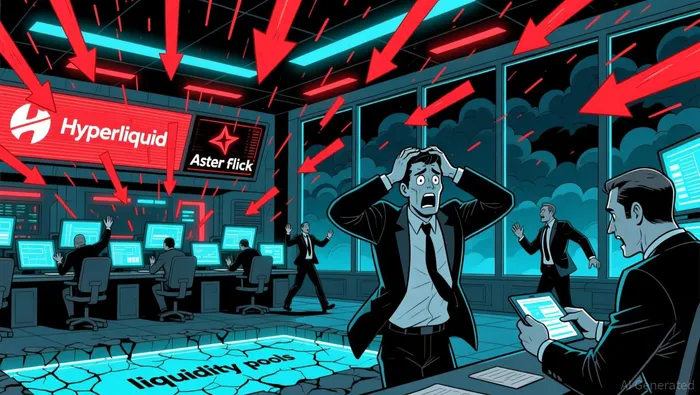
The absence of circuit breakers or centralized oversight exacerbates these risks. During the 2025 crash, platforms like Hyperliquid liquidated $10 billion in positions, overwhelming liquidity pools and deepening the selloff, according to a FA report. This self-reinforcing cycle mirrors traditional markets' 2008 crisis but at an accelerated pace.
Investor Implications and Strategic Considerations
For investors, the lesson is clear: leverage-driven markets are inherently fragile. Asset managers like Bitwise are now advocating for cash reserves to capitalize on discounted assets during future dips, according to the Decrypt report. However, this strategy assumes regulators will eventually impose circuit breakers or leverage caps-a move yet to materialize.
Academic analyses suggest systemic risks in crypto are comparable to traditional equity markets, as noted in the ScienceDirect study, but the lack of standardized risk controls makes crypto uniquely volatile. As leverage ratios climb, so does the likelihood of another flash crash. Investors must weigh the allure of high returns against the reality of a market structure prone to collapse.
Conclusion
High-leverage BTCBTC-- shorting has transformed crypto into a double-edged sword. While it democratizes access to derivatives, it also creates a system where a single bad trade can trigger a global liquidity crisis. Regulators and market participants must address these risks before the next downturn. For now, the market remains a high-stakes gamble-one where the house, increasingly, is built on sand.






Comentarios
Aún no hay comentarios