
The Hidden Dangers of Impulsive Crypto Trading for Retail Investors
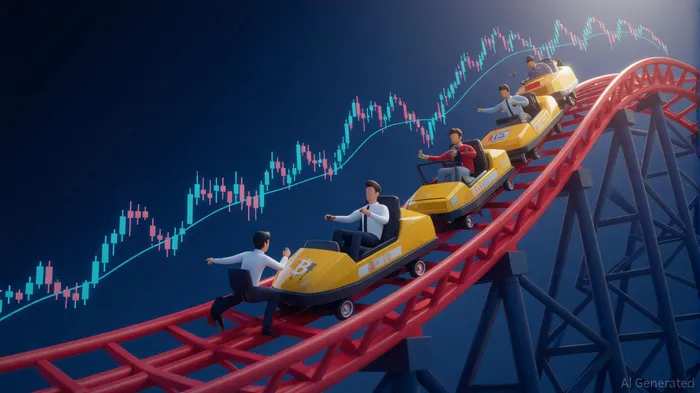
In the fast-paced world of cryptocurrency, retail investors are increasingly exposed to psychological traps that erode portfolio value. Behavioral finance research from 2023–2025 reveals that cognitive biases like FOMO (fear of missing out) and herd mentality are particularly pronounced in crypto markets, where social media hype and influencer endorsements amplify speculative buying and irrational selling[1]. These biases, if left unchecked, can lead to devastating financial losses during market corrections.
The Psychology of FOMO and Herd Mentality
FOMO drives investors to chase momentum without regard for fundamentals, often resulting in overleveraged positions. A 2024 study found that 68% of retail crypto traders admitted to buying assets solely because others were doing so, a hallmark of herd mentality[2]. This behavior is exacerbated by confirmation bias and anchoring, where traders fixate on recent gains while ignoring historical volatility[1]. For example, during the 2021 BitcoinBTC-- bull run, social media sentiment directly influenced price surges, with investors prioritizing peer validation over risk assessment[3].
Herd behavior becomes even more dangerous during bearish conditions. In Korean equity markets, retail participation intensified herding during downturns, driven by psychological biases like risk aversion and FOMO[4]. Similarly, in crypto, traders with larger balances exhibit correlated trading activity, often following informational cascades rather than independent analysis[3]. This collective irrationality amplifies market volatility and increases the likelihood of sharp corrections.
Case Studies: FTX and Meme Stock Crashes
The collapse of FTX in 2022 exemplifies how behavioral biases can lead to systemic risk. Many investors held onto FTX tokens (FTT) despite red flags, illustrating loss aversion and the reluctance to accept failure[5]. The platform's rapid rise was fueled by FOMO, with retail traders mimicking institutional strategies without understanding the underlying risks. When the rug pulled, panic selling accelerated the collapse, wiping out billions in value[5].
Meme stock crashes, such as the 2021 GameStopGME-- frenzy, follow a similar pattern. Social media platforms like RedditRDDT-- drove speculative buying, with investors prioritizing social validation over fundamentals. This herd mentality created a self-reinforcing loop of euphoria and overvaluation, culminating in a sharp correction when sentiment shifted[6]. Behavioral finance principles highlight how such episodes are not unique to crypto but recur in speculative cycles, from the dot-com bubble to the 2008 financial crisis[7].
Strategies for Emotional Discipline
To combat these biases, successful investors in 2025 have adopted structured frameworks. Automated stop-loss orders, pre-defined trading plans, and dollar-cost averaging enforce discipline and reduce emotional decision-making[1]. A 2024 study found that investors using these methods demonstrated 60% higher strategy adherence during market stress compared to unstructured traders[1].
Technical tools also play a critical role. Algorithmic trading platforms with sentiment analysis can help identify irrational exuberance, while risk management software enforces position sizing and diversification[8]. For example, investors who diversified across asset classes and implemented strict exit strategies during the 2022 crypto winter preserved capital far better than those who held onto losing positions[9].
The Role of Regulation and Education
Regulatory clarity is another key factor. The lack of oversight in crypto markets exacerbates behavioral biases, as seen in the FTX collapse[5]. Strengthening investor protections, such as mandatory risk disclosures and circuit breakers, can mitigate herd behavior. Additionally, financial literacy programs that teach behavioral finance principles—such as recognizing FOMO and anchoring—can empower retail investors to make rational decisions[10].
Conclusion
Impulsive crypto trading driven by FOMO and herd mentality is a ticking time bomb for retail investors. By adopting disciplined strategies, leveraging technical tools, and advocating for regulatory reforms, investors can protect themselves from the emotional pitfalls that have historically led to financial ruin. The lessons from FTX and meme stock crashes are clear: in a market driven by sentiment, discipline is the ultimate edge.






Comentarios
Aún no hay comentarios