
The Hidden Costs of Wash Trading in DeFi: Market Integrity and Investor Trust Under Threat
The Scale of the Problem
According to a Chainalysis report, suspected wash trading volume across EthereumETH--, BNBBNB-- Smart Chain, and Base reached $704 million in November 2024 alone, representing 0.035% of total decentralized exchange (DEX) trade volume. This figure builds on earlier findings from a Solidus Labs report, which estimated that Ethereum-based DEXs saw at least $2 billion in wash trading between 2020 and 2023. The manipulation is often orchestrated through coordinated wallets or automated bots, as seen in cases involving tokens like SHIBAFARM and NexFundAI, where artificial volume was used to mislead investors, according to Kaiko research.
The scope of the issue extends beyond token trading. A SpringerOpen paper found that up to 24% of NFT trading volume on Ethereum-based platforms is attributed to wash trading, with some collections-such as Meebits-experiencing as high as 93% wash-traded volume. These figures underscore the fragility of liquidity metrics in DeFi, where perceived demand is often a mirage.
Distorting Token Valuations and Investor Confidence
Wash trading artificially inflates trading volumes, creating a false narrative of market activity and demand. This distortion directly impacts token valuations, as investors rely on volume metrics to assess liquidity and project legitimacy. For instance, Chainalysis reported $2.57 billion in suspected wash trading across major blockchains in 2024, as reported by HodlFM. Such practices not only mislead retail investors but also destabilize price discovery mechanisms, leading to volatile and unsustainable token valuations.
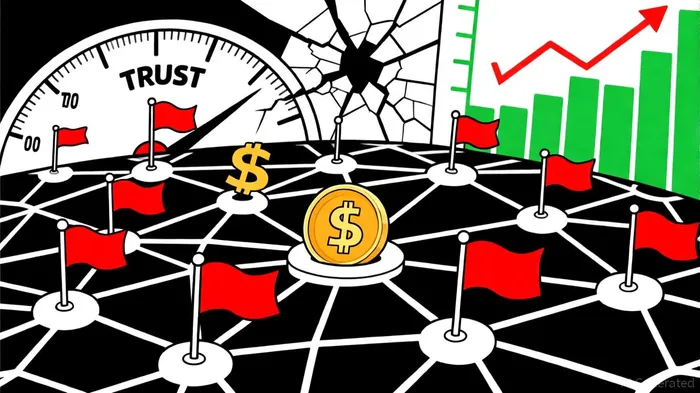
The erosion of trust is equally concerning. A CryptoRobotics analysis highlights how projects like HyperlaneHYPER-- have drawn scrutiny for alleged self-dealing, sparking debates about the ethical implications of blockchain technology. Meanwhile, a DISA report notes that manipulative tactics between 2023 and 2025 have exacerbated market volatility and undermined investor confidence. In a sector built on transparency, these practices threaten to unravel the very foundations of DeFi.
Regulatory Challenges and the Path Forward
Addressing wash trading in DeFi is complicated by the pseudonymous and fragmented nature of blockchain ecosystems. While regulatory bodies are increasingly focused on enforcement, the decentralized structure of DeFi platforms creates enforcement gaps. For example, automated bots and cross-chain transactions make it difficult to trace manipulative activity to specific actors, as noted by HodlFM.
To restore trust, stakeholders must prioritize transparency and governance. Solutions include advanced on-chain analytics to detect suspicious patterns, stricter KYC/AML protocols for liquidity providers, and community-driven governance models that incentivize ethical behavior. As the sector evolves, the integration of AI-driven surveillance tools and cross-platform collaboration will be critical to safeguarding market integrity.
Conclusion
Wash trading in DeFi is not merely a technical anomaly but a systemic threat to the sector's long-term viability. As investors and regulators grapple with its implications, the need for robust safeguards and ethical frameworks has become paramount. Without decisive action, the promise of DeFi risks being overshadowed by the very manipulations it was designed to eliminate.






Comentarios
Aún no hay comentarios