
Hezbollah says it has deployed drones toward northern Israel
Hezbollah says it has deployed drones toward northern Israel
Hezbollah’s Drone Deployment Sparks Regional Tensions and Economic Uncertainty
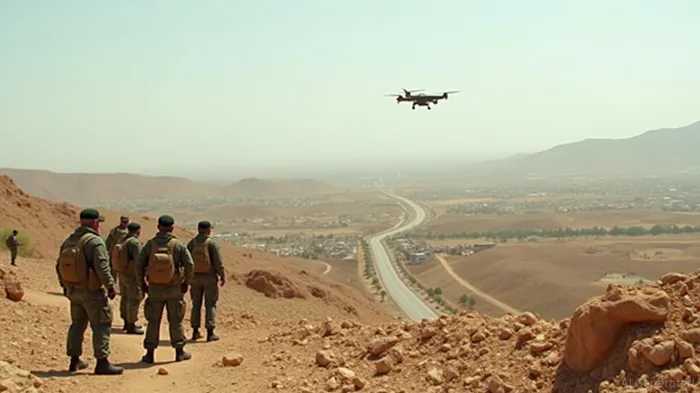
Hezbollah, the Iran-backed militant group in Lebanon, has launched drones and rockets toward northern Israel, marking a significant escalation in the ongoing conflict. The group cited retaliation for the killing of Iran’s Supreme Leader, Ayatollah Ali Khamenei, in a joint U.S.-Israeli operation. Israel’s military responded with airstrikes targeting Hezbollah infrastructure in Beirut’s southern suburbs and southern Lebanon, resulting in at least 31 casualties, according to Lebanon’s health ministry.
The exchange has heightened regional instability, with Israel’s Defense Minister Israel Katz vowing to hold Hezbollah leadership accountable, including designating its chief, Naim Qassem, as a "marked target" for elimination. The Israeli military has also issued evacuation orders for over 50 villages in southern Lebanon, signaling potential prolonged hostilities.
Economically, the conflict threatens to disrupt trade and investment in an already fragile region. Lebanon, grappling with a severe economic crisis, faces further strain from infrastructure damage and displacement. Over 30,000 residents have fled southern Beirut and surrounding areas, exacerbating pressure on limited public resources. Meanwhile, Israel’s military spending is likely to rise, diverting funds from other sectors.
Regional markets are also vulnerable. The Strait of Hormuz, a critical global energy artery, has been cited as a potential flashpoint, with Iran threatening to "close" the strait in response to Israeli and U.S. strikes according to Al Jazeera reporting. Such disruptions could elevate oil prices and ripple through global markets.
Lebanon’s government has condemned Hezbollah’s actions, banning its military activities and asserting state control over security decisions. However, Hezbollah’s entrenched influence complicates enforcement, raising questions about Lebanon’s ability to stabilize its economy amid geopolitical pressures.
As the conflict escalates, investors are likely to monitor developments closely, with risks of prolonged volatility in Middle Eastern markets and broader implications for global trade. The financial toll of renewed hostilities—on both state and non-state actors—remains a critical concern for regional economies.
BBC: BBC, Times of Israel: Times of Israel, BBC: BBC, Times of Israel: Al Jazeera, BBC: BBC, Reuters: Reuters, Al Jazeera: Al Jazeera, Times of Israel: Times of Israel.






Comentarios
Aún no hay comentarios