
Hero Alaska Airlines Pilot Sues Boeing, Alleging Scapegoating Following Door Plug Incident
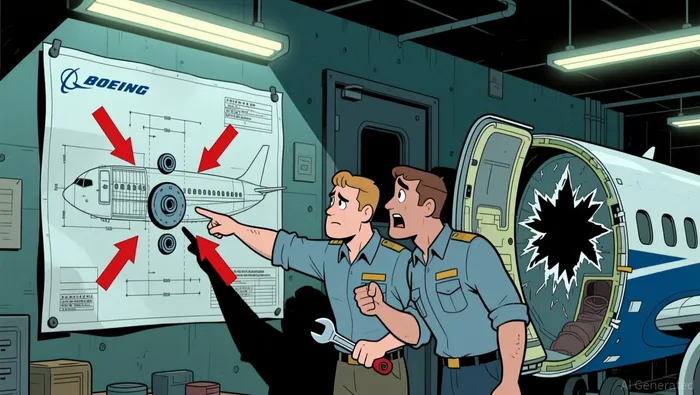
Captain Brandon Fisher of Alaska Airlines is suing BoeingBA-- for $10 million, alleging the company wrongly attempted to shift blame onto him and the flight crew for a door plug blowout during a January 2024 flight. The incident occurred when the door plug in row 26 of the BoeingBA-- 737 Max 9 detached mid-flight, creating a 2-by-4 foot hole in the fuselage. Despite the danger, Fisher and his co-pilot, Emily Wiprud, performed an emergency landing in Portland, Oregon, with no fatalities and only minor injuries reported in the aftermath.
The National Transportation Safety Board (NTSB) later determined that the incident was caused by missing bolts in the door plug during manufacturing and rework, not due to pilot error. According to the investigation, four critical bolts were omitted during a repair process at the Boeing factory, leading to the catastrophic failure. The NTSB further criticized Boeing and the Federal Aviation Administration (FAA) for systemic safety deficiencies that allowed the incident to occur.
Fisher's lawsuit, filed in Oregon's Multnomah County Circuit Court, accuses Boeing of defamation and emotional distress, claiming the company falsely portrayed the pilots as responsible for the incident. Boeing had previously claimed in a separate lawsuit that the accident was caused by improper maintenance or misuse by entities other than the company itself.
Why Did This Happen?
The NTSB investigation highlighted that Boeing employees were tasked with fixing improperly installed rivets on the door plug but failed to reattach four crucial bolts during the repair process. This oversight was compounded by inadequate documentation and lack of inspection, preventing anyone from identifying the missing bolts before the flight. Boeing has since been fined $3.1 million by the FAA for safety violations linked to the incident.
Factory workers at Boeing and its now-acquired subsidiary, Spirit AeroSystems, told investigators they were under pressure to complete tasks quickly and had to perform work for which they were not qualified. These conditions contributed to the flawed assembly of the aircraft, according to the NTSB findings.
What Are Analysts Watching Next?
The lawsuit has broader implications for Boeing's liability and corporate reputation, particularly as the company continues to face regulatory scrutiny and legal challenges. Fisher's filing is one of several lawsuits against Boeing following the incident, including claims from passengers and flight attendants.
Legal experts are monitoring how the court will handle the emotional distress and defamation claims, which are less common in aviation-related litigation. Additionally, the case could influence how Boeing is perceived in the eyes of its partners and regulators, especially as it has recently been allowed to increase production of the 737 Max series.
The FAA has also increased its oversight of Boeing in the wake of the incident, emphasizing the need for stricter safety protocols and accountability across the supply chain. Analysts are watching to see whether this incident will lead to more significant reforms in Boeing's manufacturing and quality control processes.
What's the Financial Implication?
The legal battle could impact Boeing's financials, particularly as the company is already navigating a challenging market environment and regulatory landscape. If the court rules in favor of Fisher, Boeing could face not only monetary damages but also reputational damage that could affect its relationships with airlines and regulators.
Investors are watching closely as the outcome could influence Boeing's broader liability exposure and its capacity to maintain production and delivery schedules. The recent approval to increase 737 Max production to 42 planes per month suggests some level of regulatory confidence in Boeing's current reforms, but continued legal issues could disrupt this trajectory.
Fisher's case, while centered on personal grievances, may serve as a broader indicator of the trust and accountability issues that continue to challenge Boeing in the post-accident environment.





Comentarios
Aún no hay comentarios