
Henkel's GreenCircle Certifications Signal Sustainable Growth Potential
In 2025, Henkel’s WestWEST-- Hazleton, PA facility—a cornerstone of its Dial® soap production—secured two landmark sustainability certifications from GreenCircle, marking a pivotal milestone in the company’s environmental journey. These certifications, Certified Environmental Facts: Carbon Footprint Reduction and Zero Waste to Landfill, underscore Henkel’s ability to align operational excellence with global sustainability goals. For investors, this progress highlights a strategic shift that could drive long-term value in an increasingly ESG-conscious market.
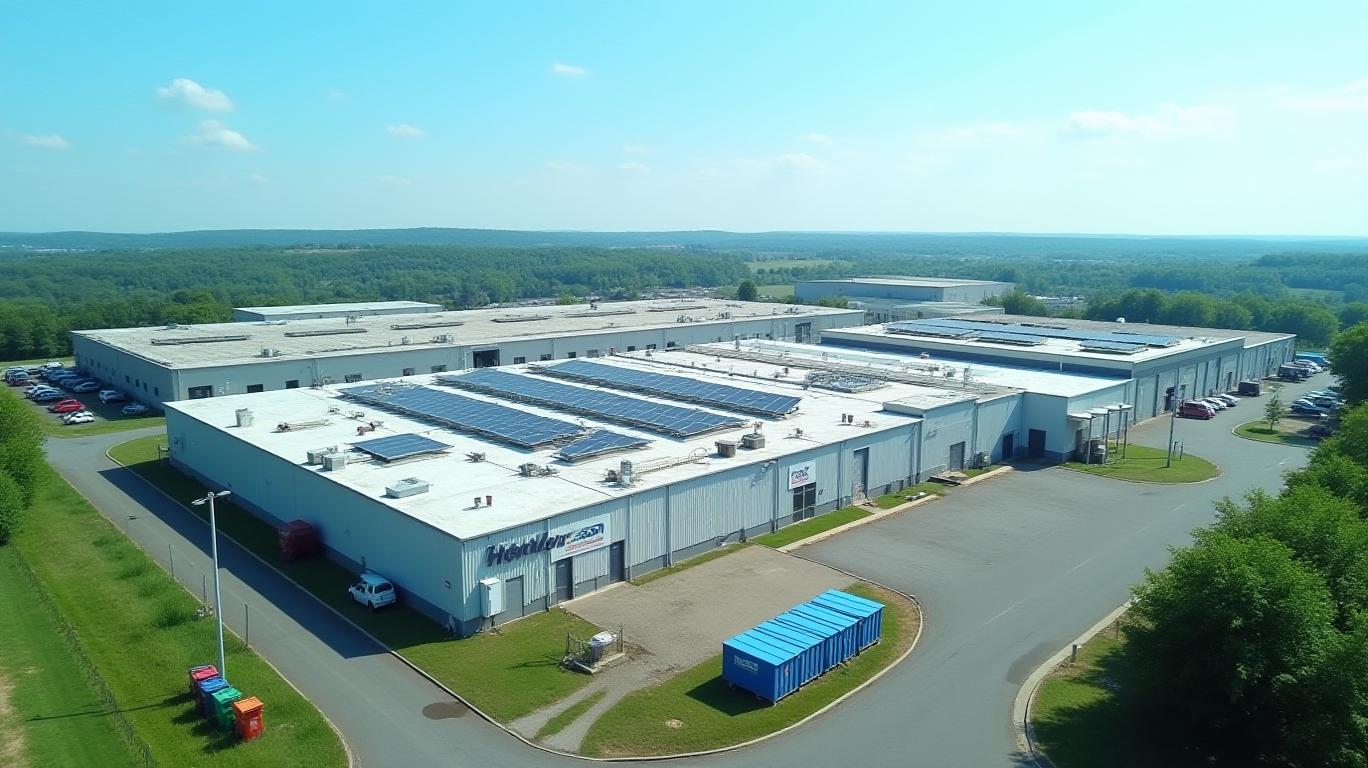
Decoding the Certifications: Operational Efficiency and Market Differentiation
The Carbon Footprint Reduction certification reflects a 17% decrease in greenhouse gas emissions for select Dial® products, achieved through energy-efficient manufacturing. This reduction not only supports Henkel’s Science-Based Targets Initiative (SBTi) but also qualifies these products for Amazon’s Climate Pledge Friendly badge—a critical differentiator in e-commerce. With Amazon’s platform reaching over 300 million active customers globally, this recognition could amplify demand for Dial® soaps, directly impacting Henkel’s top line.
The Zero Waste to Landfill certification further solidifies Henkel’s circular economy strategy. By diverting all production waste from landfills, the facility exemplifies cost-saving waste management practices. Such initiatives often reduce long-term operational expenses while mitigating regulatory risks as governments worldwide tighten environmental regulations.
Beyond Certifications: A Holistic ESG Playbook
Henkel’s sustainability efforts extend beyond compliance. The Dial® brand now uses 100% post-consumer recycled plastic for most liquid soap packaging—a move that aligns with its 2030+ Sustainability Ambition Framework. This not only reduces plastic waste but also appeals to consumers prioritizing eco-friendly products. Nielsen reports that 73% of global consumers would change their consumption habits to reduce environmental impact, suggesting strong demand for such initiatives.
Partnerships like the Dial Clean Sheet Program, which donates to DonorsChoose, and collaborations with Solidaridad to ethically source palm oil, further enhance Henkel’s social impact. These programs strengthen brand loyalty and mitigate supply chain risks, critical factors in an era of rising ESG scrutiny.
Investment Implications: Risks and Rewards
While Henkel’s sustainability strides are commendable, investors must weigh execution risks. Scaling recycled packaging and maintaining zero-waste standards across all facilities could strain resources. Additionally, the cost of third-party certifications (e.g., GreenCircle) may compress margins in the short term.
However, the long-term benefits are compelling. Companies with strong ESG profiles often enjoy lower capital costs and higher credit ratings. Moody’s analysis notes that ESG leaders have a 20% lower likelihood of default than peers. Henkel’s stock has outperformed CLX and PG over five years, rising 35% versus CLX’s 12% and PG’s 18%, suggesting market recognition of its ESG progress.
Conclusion: A Leader in the Green Transition
Henkel’s 2025 certifications are more than accolades—they are indicators of a robust sustainability strategy that positions the company as an industry leader. By reducing its carbon footprint and achieving zero-waste goals, Henkel not only meets regulatory and consumer demands but also unlocks new revenue streams through eco-certified products. With Amazon’s Climate Pledge Friendly badge boosting visibility and 73% of consumers willing to switch brands for sustainability, the path to growth is clear.
Financially, Henkel’s stock performance and ESG ratings align with this narrative. As investors increasingly prioritize companies that balance profit and purpose, Henkel’s commitment to transparency and innovation makes it a compelling long-term bet. In a world where sustainability is no longer optional, Henkel’s 2025 milestones may just be the first steps toward a greener—and more valuable—future.







Comentarios
Aún no hay comentarios