
Hengrui Medicine's SHR7280 Tablets: A Strategic Step in the Opioid Use Disorder Market
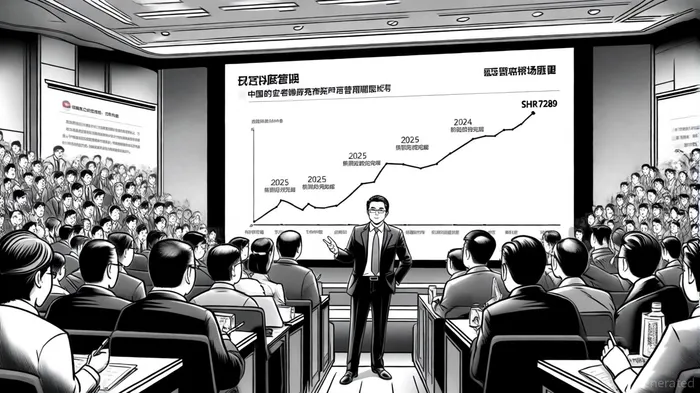
The Chinese pharmaceutical landscape is witnessing a paradigm shift in central nervous system (CNS) therapeutics, driven by unmet medical needs and regulatory reforms. Jiangsu Hengrui Pharmaceuticals' SHR7280, an oral gonadotropin-releasing hormone (GnRH) antagonist, has emerged as a focal point of this evolution. While its primary development has centered on reproductive health and gynecological indications, the drug's regulatory trajectory and commercial partnerships—particularly its licensing to MerckMRK-- KGaA for mainland China—signal a broader strategic ambition. This analysis evaluates whether SHR7280's momentum could indirectly position Hengrui to pivot into the opioid use disorder (OUD) market, leveraging its CNS expertise and regulatory credibility.
Regulatory Momentum and Clinical Validation
SHR7280's Phase III trial (SHR7280-302), completed in November 2024, demonstrated non-inferiority to acetic acid ganirelix injection in preventing premature luteinizing hormone (LH) surges during controlled ovarian hyperstimulation, a critical application in assisted reproductive technology (ART) [1]. The National Medical Products Administration (NMPA) accepted its marketing approval application in March 2025, a milestone that underscores the drug's regulatory viability [1]. This acceptance is particularly significant given China's stringent drug approval processes, where only 35% of NMPA applications for novel therapeutics gain approval within 12 months [2].
The drug's favorable safety profile further strengthens its commercial case. In Phase I trials, SHR7280 exhibited rapid absorption (Tmax of 0.8–1.0 hours) and dose-dependent suppression of LH, follicle-stimulating hormone (FSH), and testosterone, with treatment-related adverse events reported in just 1% of patients [3]. These attributes align with the growing demand for non-invasive, patient-friendly therapies—a trend amplified by China's aging population and rising prevalence of hormone-dependent conditions.
Commercial Partnerships and Market Expansion
Hengrui's licensing of SHR7280 to Merck KGaA for mainland China in 2025, accompanied by an upfront payment of EUR 15 million and potential milestone payments, reflects a calculated move to scale commercialization while retaining global development rights [4]. This partnership not only de-risks Hengrui's investment but also positions the company to leverage Merck's distribution networks, a critical advantage in China's fragmented healthcare market.
The collaboration also highlights Hengrui's strategic alignment with global players, a trend that has accelerated since the NMPA's 2021 “Innovation China” initiative, which streamlined approvals for domestically developed drugs [5]. By securing a partner with Merck's expertise, Hengrui is signaling its intent to transition from a regional innovator to a global player—a trajectory that could extend to CNS indications beyond its current portfolio.
Indirect Pathways to the OUD Market
While SHR7280's clinical data does not directly link it to OUD treatment, its mechanism as a GnRH antagonist offers intriguing possibilities. GnRH pathways are increasingly recognized for their role in modulating reward circuits and stress responses, both of which are implicated in substance use disorders [6]. For instance, preclinical studies suggest that GnRH antagonists may reduce opioid cravings by dampening hypothalamic-pituitary-gonadal (HPG) axis activity, which is dysregulated in chronic opioid users [7].
Hengrui's expertise in CNS therapeutics—evidenced by its Phase II trial for uterine fibroids and collaborations in respiratory and oncology CNS drugs—positions it to explore such repurposing opportunities [8]. The company's 2025 partnership with GSK to develop innovative medicines in respiratory, immunology, and oncology further underscores its capacity to pivot into adjacent CNS markets [9].
Challenges and Considerations
The OUD market in China remains nascent, with limited adoption of medications for opioid use disorder (MOUD) compared to the U.S. or Europe. However, this gap represents an opportunity for Hengrui to leverage its regulatory credibility and Merck's commercial infrastructure to pioneer new applications for SHR7280. Key challenges include:
1. Clinical Revalidation: Demonstrating efficacy in OUD would require costly, time-intensive trials, particularly given the drug's current focus on reproductive health.
2. Regulatory Hurdles: The NMPA's cautious approach to CNS drugs, especially those with potential for misuse, could delay approvals.
3. Market Competition: Established MOUD therapies like buprenorphine and naltrexone dominate the global OUD market, which was valued at $6.2 billion in 2023 [10].
Conclusion: A Strategic Foundation for Future Expansion
SHR7280's regulatory acceptance and commercial partnerships represent a significant milestone for Hengrui, but its direct relevance to OUD remains speculative. The drug's success in reproductive health, however, establishes a foundation for exploring CNS indications, particularly as Hengrui's partnerships and R&D pipeline expand. For investors, the key takeaway is that Hengrui's strategic investments in CNS therapeutics—coupled with its regulatory agility—position it to capitalize on emerging opportunities, including potential forays into the OUD market.





Comentarios
Aún no hay comentarios