
Hedging Against the Storm: Seizing FX Opportunities in the U.S.-Middle East Policy Divide
The U.S. pivot toward unilateralism and transactional diplomacy in the Middle East has created a tinderbox of geopolitical risks, from stalled Iran nuclear talks to escalating violence in Gaza and Yemen. For currency traders, this volatile landscape offers a rare chance to deploy FX options as both a shield and a sword—hedging against policy-driven volatility while capitalizing on divergent regional outcomes.
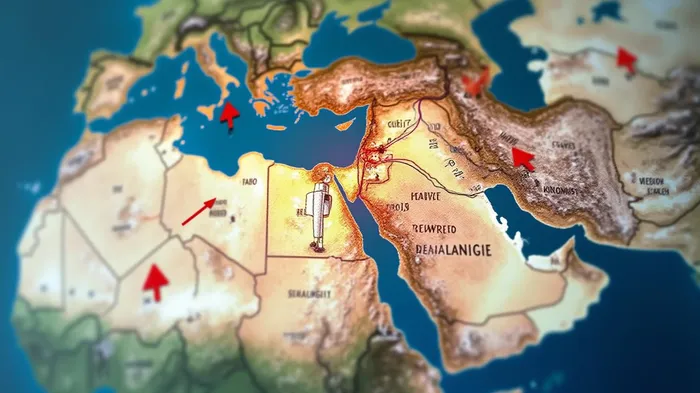
1. The Iran Nuclear Deal: A Volatility Catalyst
The U.S. and Iran's oscillating negotiations—progress in Oman's talks met with military posturing and Houthi attacks—create a high-stakes game for oil prices and regional currencies. A breakdown in talks before the October 2025 UN sanctions deadline could trigger oil spikes (as Iran retaliates) or sanctions relief (if a deal holds).
Traders can buy put options on the Saudi Riyal (SAR/USD) to protect against oil-driven USD weakness, or call options on the Iranian rial (if convertible) if a deal reopens markets. Even without direct exposure, the ripple effects on USD-denominated energy stocks and regional trade flows make this a critical pivot point.
2. Gaza and Lebanon: Currency Depreciation Risks
The U.S.'s failed Gaza strategy and Lebanon's fragile ceasefire with Hezbollah highlight systemic instability. The Israeli shekel (ILS/USD) and Jordanian dinar (JOD/USD) face downward pressure from prolonged conflict, while Lebanon's hyperinflation could destabilize the Lebanese pound (LBP/USD).
Trade idea: Sell call options on the ILS/USD to profit from depreciation fears, or buy put spreads to hedge against a sudden crisis-driven collapse. Meanwhile, the Turkish lira (TRY/USD)—exposed to regional spillover and domestic inflation—could offer asymmetric opportunities via out-of-the-money puts.
3. Saudi Arabia and the UAE: Leveraging Petrocurrency Stability
While Gulf petrostates like Saudi Arabia and the UAE remain U.S. allies, their currencies (SAR, AED) are pegged to the dollar. However, their economic diversification bets (e.g., Saudi's $600B U.S. investment pledges) and geopolitical clout mean their currencies could outperform weaker regional peers.
Strategy: Use bull call spreads on the UAE dirham (AED/USD) if you expect the peg to hold despite regional turmoil, or trade options on USD-denominated GCC ETFs (e.g., GULF) to capture macro flows.
4. The “Quick Win” Trap: Why Policy Uncertainty = Opportunity
The Trump administration's zigzagging approach—e.g., halting Yemen strikes without Houthi concessions, or downplaying democracy in favor of autocratic deals—creates predictable unpredictability. This is a trader's dream: high implied volatility in currencies like the Egyptian pound (EGP/USD) or Iraqi dinar (IQD/USD), which are priced for further policy whiplash.
Action: Deploy straddle strategies (buying both puts and calls) on EGP/USD or IQD/USD to profit from either a policy-driven rally or collapse. The key is timing: act before critical deadlines like the Iran talks or Gaza cease-fire negotiations.
5. The Institutional Void: A Tailwind for Hedging
The U.S. gutting of foreign aid agencies (e.g., USAID's shutdown) leaves a power vacuum in Middle East diplomacy. This means regional actors like Qatar, Turkey, and even China will step in, driving currency divergence as they seek influence.
Trade: Use cross-currency swaps or FX options on the Turkish lira (TRY/USD) to bet on China-Turkey alignment, or put options on the Iraqi dinar if Iran's influence expands post-deal.
Conclusion: Act Before the Storm Passes
The U.S.-Middle East policy divide is not a short-lived crisis—it's a structural shift toward fragmented alliances and militarized diplomacy. For FX traders, this is a multiyear opportunity to hedge against volatility while profiting from geopolitical pivots. The clock is ticking: deploy options now to lock in asymmetric risk/reward as the region's powder kegs count down to October 2025 and beyond.
The time to act is now. The next move in the Middle East—and your portfolio—depends on it.







Comentarios
Aún no hay comentarios