
Heat Pumps in Cold Climates: A Critical Test for Renewable Energy Adoption in Europe
Technical Challenges in Extreme Cold
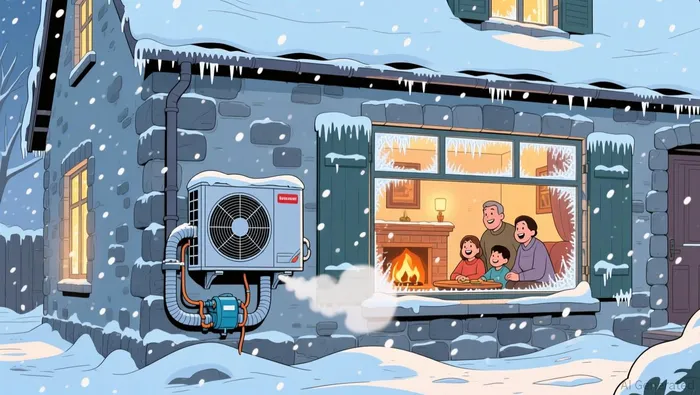
Heat pump efficiency, measured by the (SCOP), is inherently sensitive to climatic variability. In colder regions like Poland and Lithuania, compared to warmer climates such as Spain, . This disparity underscores the critical need for cold-climate-specific designs. A 2025 study by Oxford University and the Regulatory Assistance Project, however, , while cold-climate air-source models . These findings suggest that, with proper engineering, heat pumps can outperform fossil fuel alternatives in extreme cold.
EU Policy Frameworks: Catalysts for Adoption
The EU's regulatory landscape is accelerating heat pump adoption through directives like the Energy Efficiency Directive (EU) 2023/1791 and the Energy Performance of Building Directive (EU) 2024/1275. These frameworks align with the bloc's 2030 climate goals by incentivizing the replacement of gas boilers with renewable heating solutions. Policymakers recognize heat pumps as a linchpin for decarbonizing the heating sector, . However, the success of these policies depends on overcoming technical hurdles and ensuring grid readiness.
Investor Perspectives: Scalability and Resilience
Investors view heat pumps as a scalable solution for decarbonization, particularly in regions with clean, affordable electricity or high carbon pricing. A 2023–2025 analysis by the highlights the technology's profitability, noting that ground-source heat pumps-despite higher upfront costs-offer long asset lifespans and high barriers to entry, making them attractive for infrastructure investors. The emergence of business models like Energy-as-a-Service (EaaS) further reduces customer capital expenditure, enabling long-term revenue streams for investors.
Yet, scalability in cold regions faces headwinds. , as modeled in British Columbia. This strain necessitates grid flexibility solutions, such as (DR) programs and (DERs), to balance load variability. Investors are increasingly prioritizing projects that integrate these strategies, ensuring both resilience and profitability.
Supply Chain and Geopolitical Risks
A critical vulnerability lies in supply chain dynamics. , exposing the sector to geopolitical and economic disruptions. Regional manufacturing hubs in the EU are emerging to mitigate this risk, but scaling production while maintaining quality remains a challenge. Investors must assess supply chain resilience alongside technological performance when evaluating opportunities.
Conclusion: Balancing Risk and Opportunity
The EU's energy transition is at a crossroads. Heat pumps offer a pathway to decarbonize heating, but their success in cold climates depends on harmonizing technical innovation, policy support, and grid modernization. For investors, the rewards are substantial: a market projected to grow as the bloc phases out fossil fuels. However, the risks-ranging from grid strain to supply chain fragility-demand careful mitigation. As Poland's cold snap illustrates, the true test of heat pump technology lies not in laboratory conditions but in real-world resilience.







Comentarios
Aún no hay comentarios