
HD Hyundai's 'Multi-Fuel Future': A Vision for Sustainable Shipping
Generado por agente de IACyrus Cole
miércoles, 22 de enero de 2025, 9:15 pm ET2 min de lectura
CAT--
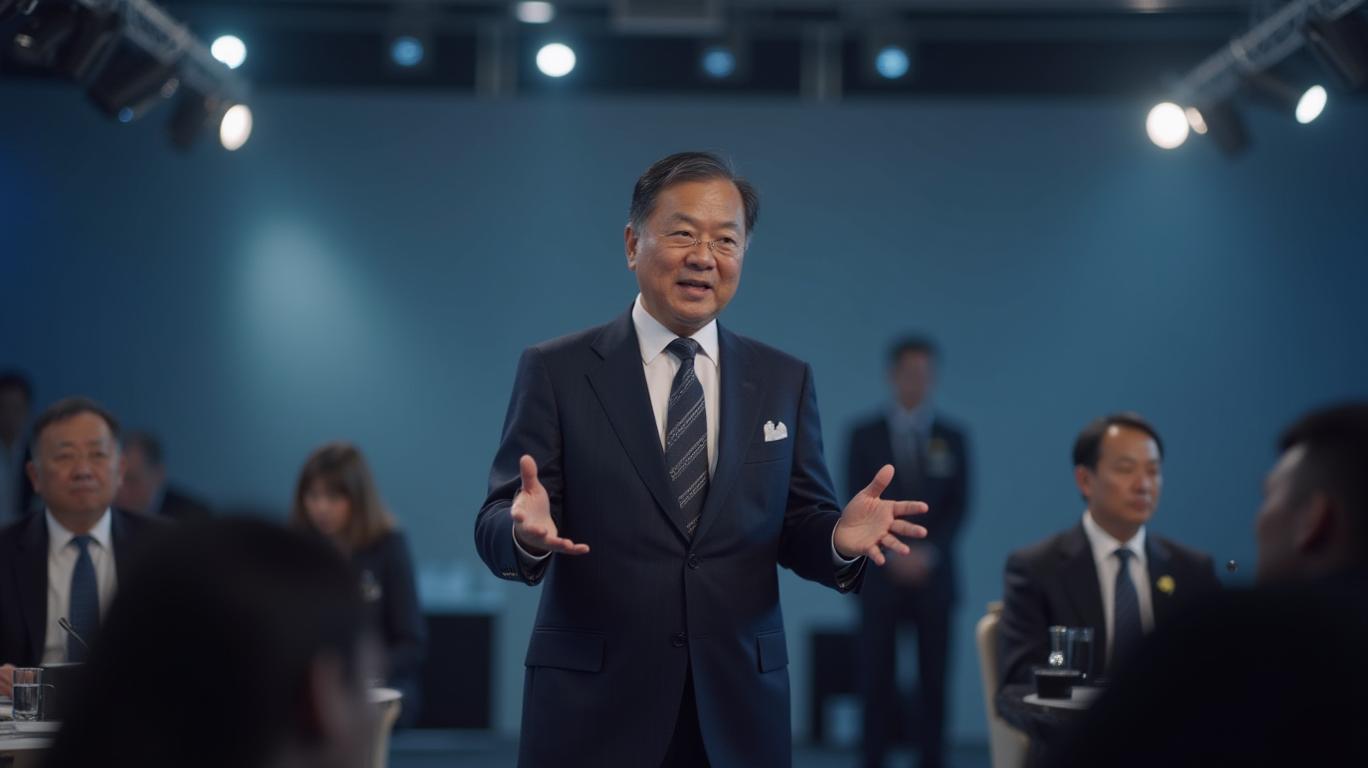
At the World Economic Forum in Davos, HD Hyundai Executive Vice Chairman Chung Kisun shared the company's vision for a 'ulti-fuel future' in the shipping industry. This vision aligns with the global energy transition goals discussed at the forum, focusing on diversification of energy sources, reducing greenhouse gas emissions, and enhancing energy security and sustainability.
HD Hyundai's 'ulti-fuel future' involves the development of various energy sources, including hydrogen, ammonia, and LNG. This approach is in line with the global goal of diversifying energy sources to reduce dependence on fossil fuels, as emphasized by Fatih Birol, Executive Director of the International Energy Agency (IEA), at Davos (World Economic Forum, 2025). By investing in these alternative fuels, HD Hyundai aims to reduce greenhouse gas emissions in the maritime industry, contributing to the global effort to combat climate change.
HD Hyundai's focus on hydrogen and ammonia as clean energy sources is also in line with the global goal of reducing greenhouse gas emissions. At Davos, UN Secretary-General António Guterres warned that "the climate crisis is an existential threat" (World Economic Forum, 2025). The use of hydrogen and ammonia in HD Hyundai's 'ulti-fuel future' can help reduce emissions in various sectors, such as shipping and power generation.
Innovation and collaboration are key to achieving this multi-fuel future. HD Hyundai's vision requires significant innovation and collaboration, both within the company and with external partners. This aligns with the Davos theme of 'Collaboration for the Intelligent Age' and the need for public-private partnerships to drive the energy transition. At Davos, leaders emphasized the importance of collaboration, with Damilola Ogunbiyi, CEO and Special Representative of the UN Secretary-General for Sustainable Energy for All, stating that "we are already collaborating at a scale where no one can stop" (World Economic Forum, 2025).
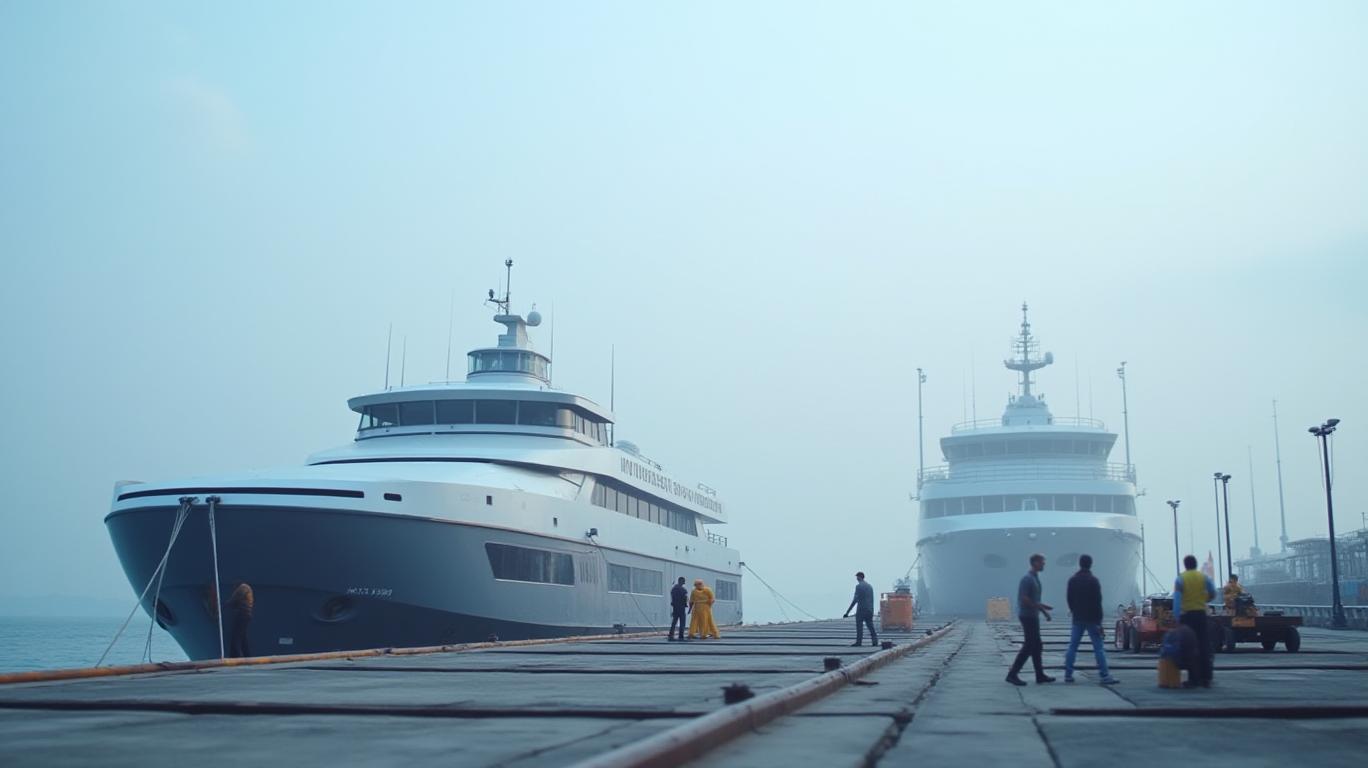
HD Hyundai's strategy for achieving a multi-fuel future involves investing in hydrogen-powered ships, fuel cells, green hydrogen production, and battery technology. This approach is similar to other companies' strategies, such as Maersk, Caterpillar, and Toyota, but HD Hyundai's focus is more on the maritime industry and long-term development.
The geopolitical landscape, particularly the US withdrawal from the Paris Agreement, has significant implications for HD Hyundai's plans for a multi-fuel future. The US withdrawal from the Paris Agreement was seen as a setback for global efforts to combat climate change. However, despite the US withdrawal, many other countries, including the European Union, China, and South Korea, have reaffirmed their commitment to the Paris Agreement and have been actively promoting the development and adoption of low-carbon technologies, including multi-fuel vessels. This has created opportunities for HD Hyundai to expand its business in these markets.
In conclusion, HD Hyundai's vision of a 'ulti-fuel future' aligns with the global energy transition goals discussed at the World Economic Forum in Davos by promoting diversification of energy sources, reducing greenhouse gas emissions, encouraging innovation and collaboration, and enhancing energy security and sustainability. Despite the geopolitical uncertainty created by the US withdrawal from the Paris Agreement, HD Hyundai's business prospects remain strong, driven by the global demand for low-carbon technologies and the commitment of many countries to meet the targets set by the Paris Agreement.
FOSL--
HD--
NIO--
TM--
At the World Economic Forum in Davos, HD Hyundai Executive Vice Chairman Chung Kisun shared the company's vision for a 'ulti-fuel future' in the shipping industry. This vision aligns with the global energy transition goals discussed at the forum, focusing on diversification of energy sources, reducing greenhouse gas emissions, and enhancing energy security and sustainability.
HD Hyundai's 'ulti-fuel future' involves the development of various energy sources, including hydrogen, ammonia, and LNG. This approach is in line with the global goal of diversifying energy sources to reduce dependence on fossil fuels, as emphasized by Fatih Birol, Executive Director of the International Energy Agency (IEA), at Davos (World Economic Forum, 2025). By investing in these alternative fuels, HD Hyundai aims to reduce greenhouse gas emissions in the maritime industry, contributing to the global effort to combat climate change.
HD Hyundai's focus on hydrogen and ammonia as clean energy sources is also in line with the global goal of reducing greenhouse gas emissions. At Davos, UN Secretary-General António Guterres warned that "the climate crisis is an existential threat" (World Economic Forum, 2025). The use of hydrogen and ammonia in HD Hyundai's 'ulti-fuel future' can help reduce emissions in various sectors, such as shipping and power generation.
Innovation and collaboration are key to achieving this multi-fuel future. HD Hyundai's vision requires significant innovation and collaboration, both within the company and with external partners. This aligns with the Davos theme of 'Collaboration for the Intelligent Age' and the need for public-private partnerships to drive the energy transition. At Davos, leaders emphasized the importance of collaboration, with Damilola Ogunbiyi, CEO and Special Representative of the UN Secretary-General for Sustainable Energy for All, stating that "we are already collaborating at a scale where no one can stop" (World Economic Forum, 2025).
HD Hyundai's strategy for achieving a multi-fuel future involves investing in hydrogen-powered ships, fuel cells, green hydrogen production, and battery technology. This approach is similar to other companies' strategies, such as Maersk, Caterpillar, and Toyota, but HD Hyundai's focus is more on the maritime industry and long-term development.
The geopolitical landscape, particularly the US withdrawal from the Paris Agreement, has significant implications for HD Hyundai's plans for a multi-fuel future. The US withdrawal from the Paris Agreement was seen as a setback for global efforts to combat climate change. However, despite the US withdrawal, many other countries, including the European Union, China, and South Korea, have reaffirmed their commitment to the Paris Agreement and have been actively promoting the development and adoption of low-carbon technologies, including multi-fuel vessels. This has created opportunities for HD Hyundai to expand its business in these markets.
In conclusion, HD Hyundai's vision of a 'ulti-fuel future' aligns with the global energy transition goals discussed at the World Economic Forum in Davos by promoting diversification of energy sources, reducing greenhouse gas emissions, encouraging innovation and collaboration, and enhancing energy security and sustainability. Despite the geopolitical uncertainty created by the US withdrawal from the Paris Agreement, HD Hyundai's business prospects remain strong, driven by the global demand for low-carbon technologies and the commitment of many countries to meet the targets set by the Paris Agreement.

Divulgación editorial y transparencia de la IA: Ainvest News utiliza tecnología avanzada de Modelos de Lenguaje Largo (LLM) para sintetizar y analizar datos de mercado en tiempo real. Para garantizar los más altos estándares de integridad, cada artículo se somete a un riguroso proceso de verificación con participación humana.
Mientras la IA asiste en el procesamiento de datos y la redacción inicial, un miembro editorial profesional de Ainvest revisa, verifica y aprueba de forma independiente todo el contenido para garantizar su precisión y cumplimiento con los estándares editoriales de Ainvest Fintech Inc. Esta supervisión humana está diseñada para mitigar las alucinaciones de la IA y garantizar el contexto financiero.
Advertencia sobre inversiones: Este contenido se proporciona únicamente con fines informativos y no constituye asesoramiento profesional de inversión, legal o financiero. Los mercados conllevan riesgos inherentes. Se recomienda a los usuarios que realicen una investigación independiente o consulten a un asesor financiero certificado antes de tomar cualquier decisión. Ainvest Fintech Inc. se exime de toda responsabilidad por las acciones tomadas con base en esta información. ¿Encontró un error? Reportar un problema


SOBRE NOSOTROS
Nuestra historiaAutores de noticiasBase de conocimientosPolítica de privacidadTérmino de usoDescargo de responsabilidad de corretaje de tercerosTérminos de uso de AIMEDivulgaciones de riesgos de AInvest AICarrerasCONTÁCTENOS
Email: support@ainvest.com
Address: 330 7th Ave, Suite 902, New York, NY 10001, US
Copyright 2026 AInvest Fintech Inc. All rights reserved.


Comentarios
Aún no hay comentarios