

HCAT's Price Drop: What Insiders Are Really Doing With Their Money
The headline story is a brutal one: Health Catalyst's stock has been torched over the last six months, dropping 25.5% to $3.30 per share since March 2025. For a retail investor, that's a clear red flag. But the real signal comes from the people who know the company best. What are the insiders doing with their own money as the stock craters?
The setup is a classic trap. In December, the CEO's largest shareholder, First Light Asset Management, joined the board of directors. On the surface, that looks like a vote of confidence. But in practice, it's often a move to gain influence and control, not necessarily to buy more stock. The critical detail is what happened next: there's been no significant insider buying to counter the selling. The absence of accumulation from those with the most skin in the game is a powerful indicator of lack of alignment.
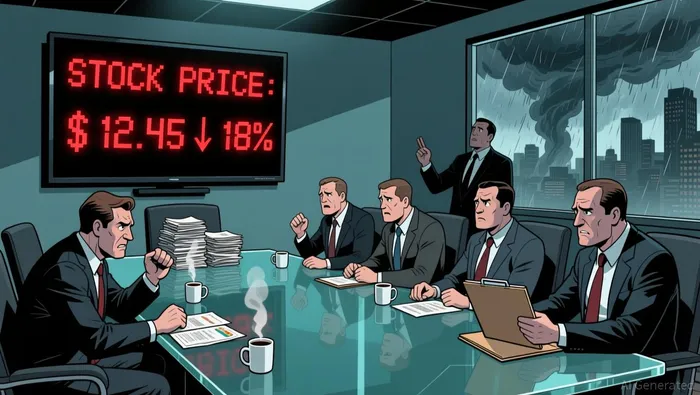
When the CEO and major shareholders are not stepping in to buy during a steep decline, it suggests they don't see the current price as a bargain. It signals they may have a more pessimistic view of the company's near-term fundamentals than the public narrative suggests. For all the talk of a potential recovery, the smart money is staying on the sidelines. That's the core investment signal here. The stock's drop is real, and the insiders are not betting against it.
The Financial Reality: Weak Growth and Long Payback Periods
The insider selling isn't happening in a vacuum. It's a reaction to a business model that is fundamentally struggling to generate efficient growth. The numbers tell a clear story of a company that is not scaling effectively.
First, look at the top line. Health Catalyst's 6% annualized revenue growth over the last three years was weak. In the software sector, where investors expect companies to compound quickly, that pace is a major red flag. It signals the company is either facing intense competition, has a limited market, or is failing to convert its sales efforts into new contracts at a satisfactory rate. For a stock to command a premium, it needs to show accelerating growth. HCAT is not doing that.
The problem gets worse when you examine the cost of that growth. The key metric here is the customer acquisition cost (CAC) payback period. This measures how long it takes to earn back the money spent to land a new client. A negative payback period is a critical warning sign. It means the company is burning cash on sales and marketing faster than it is generating revenue from those efforts. This quarter, the CAC payback period was negative, indicating a clear inefficiency. The business is investing heavily to grow, but those investments are not yet translating into profitable returns.
Put these two points together, and you have a challenging financial model. The company is growing slowly while simultaneously spending more to acquire customers than it is earning from them. This creates a vicious cycle: weak growth limits cash flow, which forces the company to spend more aggressively to try to grow, further stretching its finances. This is the kind of setup that makes a higher valuation unsustainable. The smart money is selling because they see a business that is not only struggling to grow but is also inefficiently growing. The financial reality doesn't justify the stock's previous premium, and the insider actions confirm that view.
Catalysts and Risks: What to Watch for a Turnaround
The thesis here is clear: the stock is cheap because the business is struggling, and the insiders see it that way too. The path to a turnaround isn't written in press releases. It's written in the filings. For the smart money, the next few data points are the only signals that matter.
First, watch for institutional accumulation in upcoming 13F filings. These quarterly reports from large funds show where the real capital is flowing. If the recent selling by insiders is met with a wave of buying from institutional investors, it could signal a bottom is forming. But if those 13F filings show continued selling or even just passive holding, it confirms the lack of conviction. The absence of a whale wallet stepping in is a bearish signal in itself.
Second, the next earnings report is a critical test. Any further guidance cuts or missed targets would validate the current pessimism. It would likely trigger more insider selling, as executives see their own stock options and holdings devalued. The recent pattern of weak growth and negative CAC payback sets a low bar. Beating that bar is a minimum requirement for a recovery. Missing it would be a death knell for the stock's current price.
The most bullish signal, however, would be a shift in insider behavior. If the CEO or other executives begin buying shares at these depressed levels, it would be a powerful vote of confidence. It would suggest they believe the current price offers a margin of safety that wasn't there before. This kind of skin in the game is the ultimate alignment of interest. Until then, the smart money is staying on the sidelines, and the stock's prospects remain tied to that lack of conviction.





Comentarios
Aún no hay comentarios