
Hawaii’s Crossroads: Policy Shifts and Fiscal Realities Reshape the Investment Landscape
Hawaii News Now’s coverage over the past week has spotlighted a pivotal moment for the Aloha State, as lawmakers grapple with sweeping policy changes, fiscal pressures, and systemic risks. From a contentious assault weapons ban to a looming utility crisis, these developments are reshaping Hawaii’s economic trajectory—and offering critical insights for investors.
The Assault Weapons Ban: A Legal and Political Flashpoint
On April 25, Hawaii’s legislature advanced SB401, a bill banning new sales of assault-style rifles and imposing strict limits on high-capacity magazines. While supporters argue the measure will curb mass shootings, opponents—including the Hawaii Firearms Coalition—vow to challenge it in court, citing constitutional overreach and the criminalization of existing legal gun owners.
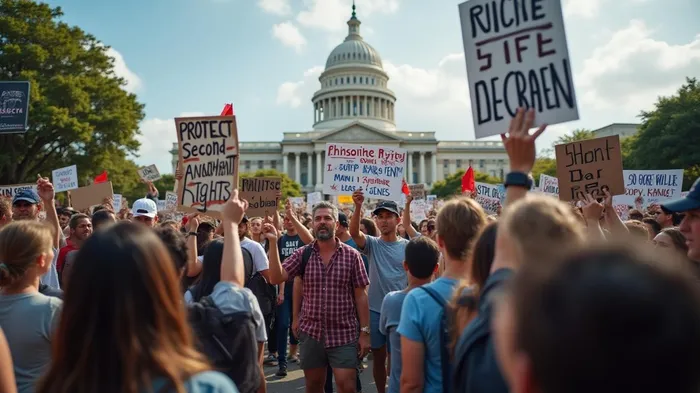
The bill’s fate hinges on its ability to withstand legal scrutiny. Should it pass, Hawaii would join a small group of U.S. states with comparable restrictions, potentially setting a precedent for other regions. For investors, this underscores a broader theme: policy volatility in socially charged areas could create regulatory headwinds for gun manufacturers and retailers.
The HECO Crisis: Grid Reliability Meets Fiscal Realities
Hawaii’s energy sector faces its most significant test in decades. Hawaiian Electric Co. (HECO), the state’s largest utility, is drowning in debt and liability from wildfires linked to its aging infrastructure. Bills like SB897 and SB1500 aim to stabilize the situation by capping wildfire liabilities, securitizing grid upgrades, and creating a “receiver” mechanism to manage HECO if it collapses.
The stakes are existential. HECO’s collapse could disrupt power to 95% of Oahu’s population, while its wildfire liabilities—potentially exceeding $1 billion—threaten to destabilize the state’s economy. Investors in utilities and renewable energy must weigh the risks of regulatory intervention against opportunities in grid modernization. The bill’s success hinges on balancing accountability with investor confidence.
Fiscal Pressures and Urban Development Challenges
Hawaii’s fiscal health is under scrutiny. Honolulu’s 2026 operating budget has surged to $3.9 billion, an 83% increase since 2015, despite a 2.8% population decline. This has sparked debates over spending priorities, from jail expansions ($30 million allocated for relocating the Oahu Community Correctional Center) to stalled projects like the Aloha Stadium, which lost $49.5 million in funding due to legislative gridlock.
Meanwhile, HB1308, a bill to regulate online sports betting, highlights a growing revenue stream: 54,000 Hawaii-based accounts existed by March 2024, pointing to untapped economic potential. Yet, fiscal mismanagement risks overshadowing these opportunities.
Climate and Legal Crosscurrents
Hawaii’s climate litigation also entered a new phase. On April 25, the state settled a lawsuit with young climate activists, agreeing to collaborate on greener transportation policies. Separately, a court halted the demolition of the iconic Haiku Stairs, a decades-old dispute with implications for community activism and land use.
These cases reflect Hawaii’s broader struggle to balance growth, environmental stewardship, and legal accountability—key factors for real estate and infrastructure investors.
Conclusion: Navigating Hawaii’s Policy Crossroads
Hawaii’s current legislative session is a microcosm of modern governance challenges: balancing safety, equity, and fiscal sustainability while navigating legal and political pitfalls. Investors must pay close attention to three critical outcomes:
- The Assault Weapons Ban: Legal challenges here could set precedents for regulatory risk in consumer goods sectors.
- HECO’s Fate: A resolution here will determine the viability of public utilities and renewable energy investments in island economies.
- Fiscal Discipline: The $3.9 billion budget’s allocation priorities will signal whether Hawaii can sustainably fund growth or face a debt-driven reckoning.
For now, the data points are clear: Hawaii’s policies are at a crossroads. Investors who understand the interplay between regulation, infrastructure resilience, and fiscal prudence will be best positioned to capitalize on—or avoid—the risks ahead.
Data sources: Hawaii News Now, legislative records, and state budget documents.







Comentarios
Aún no hay comentarios