
Harvard's SEVP Revocation: A Watershed Moment for U.S. Higher Education and Investor Risk Exposure
The Trump administration’s sudden revocation of HarvardHBIO-- University’s Student and Exchange Visitor Program (SEVP) certification on May 22, 2025, marks a seismic shift in federal oversight of U.S. universities. This decision, framed as a response to Harvard’s alleged failure to comply with demands for records related to international student conduct, has exposed systemic vulnerabilities in higher education’s reliance on global enrollment—a financial lifeline for many institutions. For investors, this is not merely a Harvard-specific issue but a clarion call to reassess sector-wide risks and identify opportunities amid the upheaval.
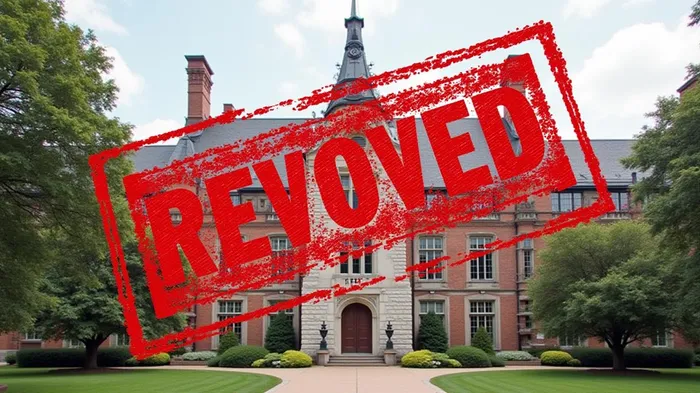
The Immediate Impact: Harvard’s Crisis and Beyond
The revocation bars Harvard from enrolling new international students for the 2025–2026 academic year and forces existing international students—25% of its enrollment—to seek transfers. The administration’s demands for “evidence of misconduct” within 72 hours, coupled with frozen federal grants totaling $2.7 billion, underscore a calculated escalation. Harvard has labeled the move “unlawful,” but legal battles will take time, leaving immediate financial strain: international students contribute billions annually to U.S. universities.
This isn’t just about Harvard. The Department of Homeland Security (DHS) has signaled broader intentions to audit other institutions for compliance with SEVP standards, particularly those accused of fostering “antisemitism” or ties to foreign entities. reveals a 50% surge over the past decade, with institutions like Harvard, Stanford, and MIT relying on tuition from these students to offset operational costs. Now, that revenue stream faces existential threats.
Sector-Wide Risks: The Perfect Storm
The Harvard case illuminates three critical risks for the higher education sector:
Revenue Volatility: Universities reliant on international tuition (often 20–40% of revenue) face abrupt cash flow disruptions if similar revocations occur. The already shows a 15% decline, reflecting investor anxiety over compliance risks.
Compliance Costs: Institutions must now invest in surveillance technologies, legal teams, and administrative protocols to meet federal demands. This could squeeze margins, especially for smaller schools lacking Harvard’s resources.
Political Polarization: The administration’s rhetoric—linking campuses to “pro-Hamas sympathies” or “CCP ties”—has weaponized ideology. Universities perceived as “noncompliant” risk losing federal funding, tax exemptions, and accreditation.
Opportunities in the Crisis: Navigating the New Landscape
While risks abound, the Harvard incident creates openings for investors to capitalize on structural shifts:
Compliance Solutions: Firms offering surveillance software, student conduct tracking systems, or legal compliance services to universities will see surging demand. Look to companies like , which have already seen triple-digit growth in federal contract bids.
Online Education Platforms: Institutions struggling to retain students may pivot to digital learning. could indicate market readiness for this shift.
Politically Aligned Universities: Schools with conservative leadership or strong ties to federal priorities may attract safer investments. For-profit universities like Apollo Education (APOL), which already cater to politically active demographics, could outperform peers.
Endowment Plays: While Harvard’s $2.7B funding freeze is headline-grabbing, other institutions with diversified endowments and low reliance on international students (e.g., state schools) may offer stability.
Investment Strategies: Act Now or Pay Later
Investors must act decisively:
Short the Vulnerable: Consider shorting ETFs like EDU or individual stocks of universities heavily dependent on international enrollment.
Go Long on Compliance: Invest in firms like Tyler Technologies (TYL), which provides education management software, or cybersecurity companies safeguarding student data.
Hedge with Federal Contractors: Companies supplying surveillance tech or compliance tools to universities (e.g., Palantir Technologies) could see demand spikes.
Monitor Legal Battles: Harvard’s lawsuit challenging the revocation could set precedents. Investors should track rulings to gauge sector-wide risks.
Conclusion: A New Era for Higher Education
The Harvard SEVP revocation is not an isolated incident but a pivotal moment. It signals a federal crackdown on university autonomy, reshaping the sector’s financial and operational priorities. For investors, ignoring these shifts is perilous. The time to reassess exposure to education assets—and pivot to emerging opportunities—is now. The institutions and firms that adapt fastest to compliance demands and ideological pressures will thrive; those that don’t may face obsolescence. This is a call to action—one that demands bold moves in a rapidly evolving landscape.







Comentarios
Aún no hay comentarios