
"It’s ‘Hard’ to Own Apple (AAPL) Because of Trump’s ‘Arbitrary Nature’"
Generado por agente de IAWesley Park
martes, 18 de marzo de 2025, 9:10 am ET2 min de lectura
AAPL--
Listen up, folks! We’re in the midst of a market storm, and AppleAAPL-- (AAPL) is right in the eye of it. The unpredictable nature of Trump’s tariff policies is making it HARD to own Apple stock right now. Let me break it down for you.
First off, let’s talk about the supply chain. Apple’s supply chain is heavily reliant on China, where nearly 90% of its products are assembled. Trump’s proposed tariffs on Chinese imports could disrupt this entire operation. Imagine the chaos if Apple has to scramble to shift production to other countries overnight. The costs and operational challenges would be astronomical.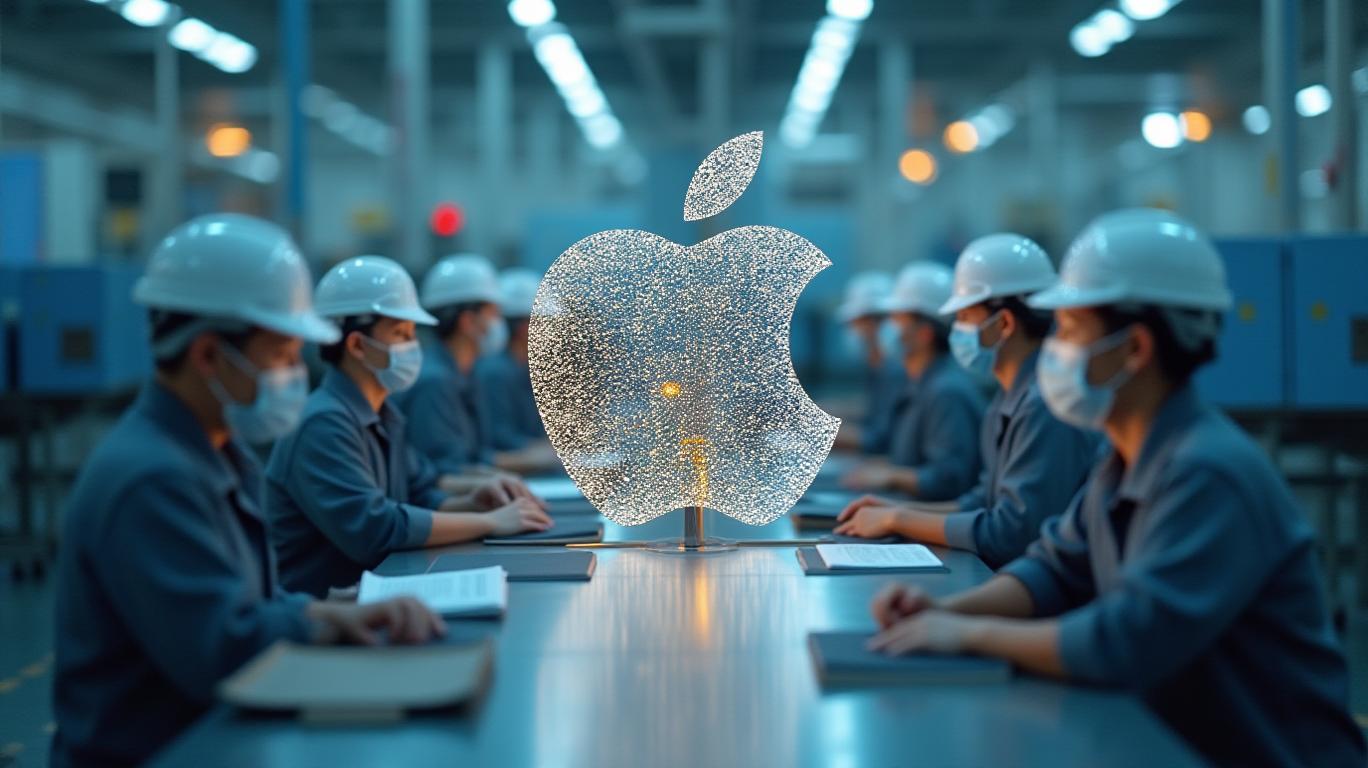
Now, let’s talk about price increases. If Apple has to absorb the full impact of a 60% tariff, it would wipe out their gross profit margin entirely. That means Apple would have to raise prices by 37% just to maintain profitability. Can you imagine the backlash from consumers? Apple’s loyal customer base might not be so loyal if they have to pay $300 more for an iPhone.
But here’s the kicker: moving manufacturing entirely to the US is not a feasible solution. Labor costs in the US are far higher than in China, and China’s supply chain infrastructure is unmatched. So, Apple is stuck between a rock and a hard place. They either pass on the increased costs to consumers or absorb them, which could significantly impact their bottom line.
And let’s not forget about the market volatility. Trump’s tariff policies are unpredictable, and the market hates uncertainty. Apple’s stock has shown significant fluctuations in response to tariff announcements. One day it’s up 3.01%, the next it’s down 1.8%. This volatility could impact Apple’s ability to attract long-term investors and maintain a stable stock performance.
So, what can Apple do to mitigate these risks? They could emphasize their increasing production in India and showcase the new Mac Pro, which is assembled in the US. They could also tout their chip manufacturing plant in Arizona and their ongoing investment in a new campus in North Carolina. These moves could help Apple argue that it is already contributing to the US economy and potentially secure tariff exemptions.
But here’s the thing: even with these measures, the stakes are high. Apple’s experience in navigating complex political waters suggests they may still be able to pull through, but it’s going to be a tough road ahead.
In conclusion, Trump’s tariff policies could have a profound impact on Apple’s long-term investment strategy and stock performance. The potential disruptions to its supply chain, increased costs, and market volatility are all significant risks. Apple will need to navigate these challenges carefully to maintain its competitive edge and investor confidence.
So, if you’re thinking about investing in Apple, think again. The market is unpredictable, and Apple is right in the middle of it. Stay away from Apple until the dust settles. Trust me, you don’t want to be caught in this storm.
Listen up, folks! We’re in the midst of a market storm, and AppleAAPL-- (AAPL) is right in the eye of it. The unpredictable nature of Trump’s tariff policies is making it HARD to own Apple stock right now. Let me break it down for you.
First off, let’s talk about the supply chain. Apple’s supply chain is heavily reliant on China, where nearly 90% of its products are assembled. Trump’s proposed tariffs on Chinese imports could disrupt this entire operation. Imagine the chaos if Apple has to scramble to shift production to other countries overnight. The costs and operational challenges would be astronomical.
Now, let’s talk about price increases. If Apple has to absorb the full impact of a 60% tariff, it would wipe out their gross profit margin entirely. That means Apple would have to raise prices by 37% just to maintain profitability. Can you imagine the backlash from consumers? Apple’s loyal customer base might not be so loyal if they have to pay $300 more for an iPhone.
But here’s the kicker: moving manufacturing entirely to the US is not a feasible solution. Labor costs in the US are far higher than in China, and China’s supply chain infrastructure is unmatched. So, Apple is stuck between a rock and a hard place. They either pass on the increased costs to consumers or absorb them, which could significantly impact their bottom line.
And let’s not forget about the market volatility. Trump’s tariff policies are unpredictable, and the market hates uncertainty. Apple’s stock has shown significant fluctuations in response to tariff announcements. One day it’s up 3.01%, the next it’s down 1.8%. This volatility could impact Apple’s ability to attract long-term investors and maintain a stable stock performance.
So, what can Apple do to mitigate these risks? They could emphasize their increasing production in India and showcase the new Mac Pro, which is assembled in the US. They could also tout their chip manufacturing plant in Arizona and their ongoing investment in a new campus in North Carolina. These moves could help Apple argue that it is already contributing to the US economy and potentially secure tariff exemptions.
But here’s the thing: even with these measures, the stakes are high. Apple’s experience in navigating complex political waters suggests they may still be able to pull through, but it’s going to be a tough road ahead.
In conclusion, Trump’s tariff policies could have a profound impact on Apple’s long-term investment strategy and stock performance. The potential disruptions to its supply chain, increased costs, and market volatility are all significant risks. Apple will need to navigate these challenges carefully to maintain its competitive edge and investor confidence.
So, if you’re thinking about investing in Apple, think again. The market is unpredictable, and Apple is right in the middle of it. Stay away from Apple until the dust settles. Trust me, you don’t want to be caught in this storm.

Divulgación editorial y transparencia de la IA: Ainvest News utiliza tecnología avanzada de Modelos de Lenguaje Largo (LLM) para sintetizar y analizar datos de mercado en tiempo real. Para garantizar los más altos estándares de integridad, cada artículo se somete a un riguroso proceso de verificación con participación humana.
Mientras la IA asiste en el procesamiento de datos y la redacción inicial, un miembro editorial profesional de Ainvest revisa, verifica y aprueba de forma independiente todo el contenido para garantizar su precisión y cumplimiento con los estándares editoriales de Ainvest Fintech Inc. Esta supervisión humana está diseñada para mitigar las alucinaciones de la IA y garantizar el contexto financiero.
Advertencia sobre inversiones: Este contenido se proporciona únicamente con fines informativos y no constituye asesoramiento profesional de inversión, legal o financiero. Los mercados conllevan riesgos inherentes. Se recomienda a los usuarios que realicen una investigación independiente o consulten a un asesor financiero certificado antes de tomar cualquier decisión. Ainvest Fintech Inc. se exime de toda responsabilidad por las acciones tomadas con base en esta información. ¿Encontró un error? Reportar un problema




Comentarios
Aún no hay comentarios