
Hang Seng Index: Navigating Market Trends and Opportunities
Generado por agente de IAEli Grant
sábado, 30 de noviembre de 2024, 8:50 am ET2 min de lectura
ASML--
The Hang Seng Index (HSI), Hong Kong's leading stock market benchmark, has witnessed dynamic shifts in recent years, driven by a blend of economic, political, and technological factors. As an investor, understanding the intricacies of the HSI is crucial for capitalizing on its growth potential and mitigating risks. This article delves into the recent performance of the Hang Seng Index, highlighting key trends, sector representation, and the impact of quarterly index reviews.
The Hang Seng Index has shown remarkable resilience, increasing by 19% since the beginning of 2024. However, it has experienced volatility, with a 0.16% decline on Wednesday, November 28, 2024. Economic conditions and interest rate policies in Hong Kong and mainland China have significantly influenced the HSI's movement. For instance, the Biden administration's consideration of capping sales of advanced AI processors to certain countries has led to declines in tech and consumer shares. Conversely, hopes of further policy easing in the Chinese property market and Hong Kong's leader's pledges to revive the city's economy have provided support to the index.
The tech sector's performance has significantly impacted the HSI's recent trends. The Hang Seng Tech Index (HSTI) has risen by 19.00% since the beginning of 2024. While the tech index slipped around 1% on Wednesday, tracking a slump in US chip stocks after ASML's sales warning, hopes of further policy easing in the Chinese property market supported the broader market. Key tech stocks like Sunny Optical Tech. (-4.5%), Wuxi Biologics (-2.9%), and Alibaba Health (-2.3%) experienced steep losses.
Chinese companies listed in Hong Kong, known as H-Shares, have played a significant role in the Hang Seng Index's performance. As of 2024, the Hang Seng Index tracks a total of 82 constituents, with several Chinese H-shares among them. These companies contribute to the index's overall performance and diversification. For instance, BYD Company (01211), a Chinese electric vehicle manufacturer, represents the largest weight in the index at 2.27%. Additionally, Wuxi AppTec (02359), a biotech contracting firm controlled by the founders of WuXi Biologics (02269), was recently added to the index with a starting weight of 0.3%. This addition reflects the growing influence of Chinese biotech companies in the global market.
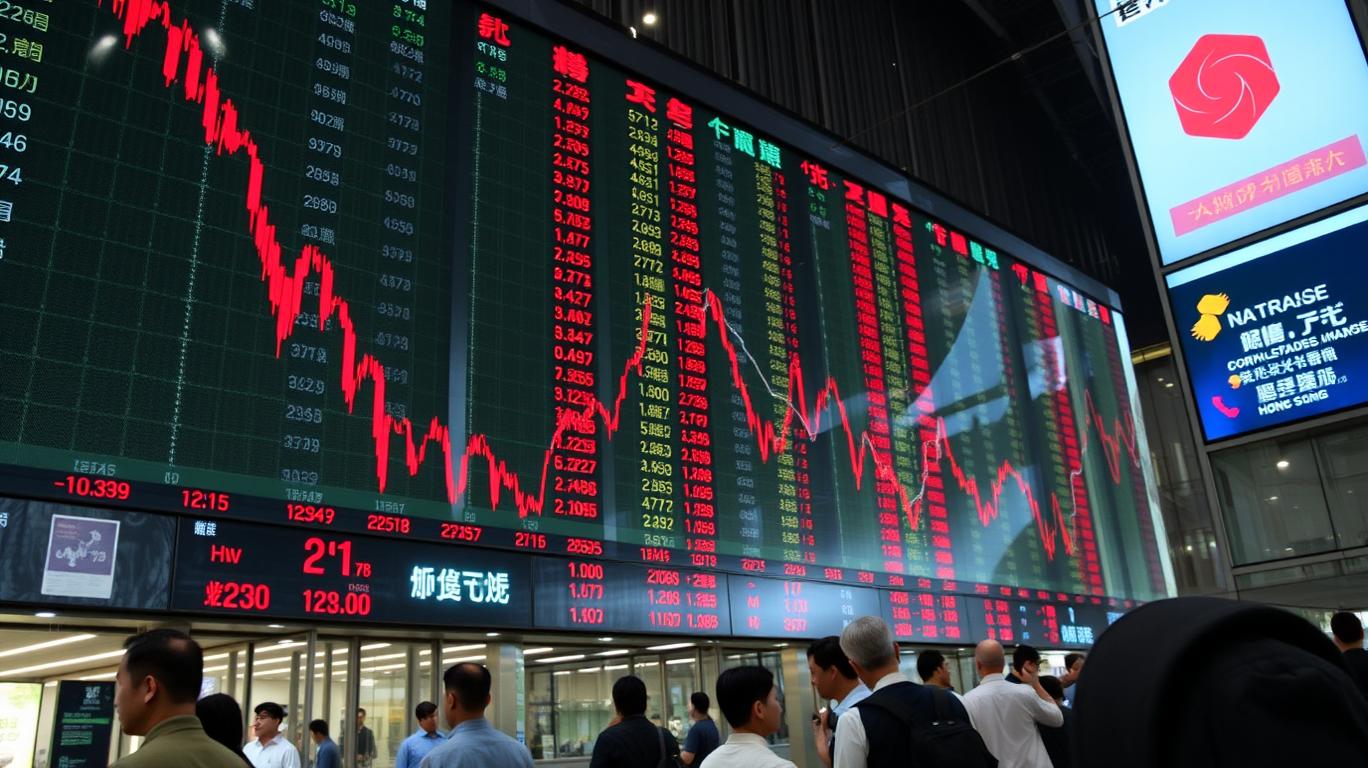
The quarterly index reviews by the Hang Seng Index Company have significantly impacted the HSI's performance and composition. In the latest review, two new constituents, Li Auto (02015) and Wuxi AppTec (02359), were added to the HSI, bringing the total to 82. Li Auto joined with a starting weight of 1.9%, joining three other electric vehicle peers, while Wuxi AppTec entered with a 0.3% weight. This increase in technology and electric vehicle representation may boost the index's growth potential, given these sectors' strong performances. However, it also introduces risk, as these sectors can be volatile.
Investors can capitalize on these changes by monitoring the index reviews and adjusting their portfolios accordingly. By staying informed about the newly added or removed constituents, investors can gain exposure to high-growth sectors or divest from underperforming ones. Additionally, tracking the weightings of individual sectors can help investors make strategic allocations based on market trends and expectations.
Geopolitical factors, such as US-China relations, have also impacted the Hang Seng Index's recent performance. Tensions between the US and China have led to fluctuations in the index, with volatility driven by political events and trade disputes. However, the index has shown resilience, demonstrating its potential for long-term growth and investment opportunities.
In conclusion, the Hang Seng Index's recent performance has been influenced by a blend of economic, political, and technological factors. Understanding the intricacies of the index, including its sector representation and the impact of quarterly index reviews, is essential for investors to capitalize on its growth potential and mitigate risks. By staying informed and adaptable, investors can navigate the dynamic landscape of the Hang Seng Index and achieve their investment goals.
BABA--
BYD--
H--
LI--
The Hang Seng Index (HSI), Hong Kong's leading stock market benchmark, has witnessed dynamic shifts in recent years, driven by a blend of economic, political, and technological factors. As an investor, understanding the intricacies of the HSI is crucial for capitalizing on its growth potential and mitigating risks. This article delves into the recent performance of the Hang Seng Index, highlighting key trends, sector representation, and the impact of quarterly index reviews.
The Hang Seng Index has shown remarkable resilience, increasing by 19% since the beginning of 2024. However, it has experienced volatility, with a 0.16% decline on Wednesday, November 28, 2024. Economic conditions and interest rate policies in Hong Kong and mainland China have significantly influenced the HSI's movement. For instance, the Biden administration's consideration of capping sales of advanced AI processors to certain countries has led to declines in tech and consumer shares. Conversely, hopes of further policy easing in the Chinese property market and Hong Kong's leader's pledges to revive the city's economy have provided support to the index.
The tech sector's performance has significantly impacted the HSI's recent trends. The Hang Seng Tech Index (HSTI) has risen by 19.00% since the beginning of 2024. While the tech index slipped around 1% on Wednesday, tracking a slump in US chip stocks after ASML's sales warning, hopes of further policy easing in the Chinese property market supported the broader market. Key tech stocks like Sunny Optical Tech. (-4.5%), Wuxi Biologics (-2.9%), and Alibaba Health (-2.3%) experienced steep losses.
Chinese companies listed in Hong Kong, known as H-Shares, have played a significant role in the Hang Seng Index's performance. As of 2024, the Hang Seng Index tracks a total of 82 constituents, with several Chinese H-shares among them. These companies contribute to the index's overall performance and diversification. For instance, BYD Company (01211), a Chinese electric vehicle manufacturer, represents the largest weight in the index at 2.27%. Additionally, Wuxi AppTec (02359), a biotech contracting firm controlled by the founders of WuXi Biologics (02269), was recently added to the index with a starting weight of 0.3%. This addition reflects the growing influence of Chinese biotech companies in the global market.
The quarterly index reviews by the Hang Seng Index Company have significantly impacted the HSI's performance and composition. In the latest review, two new constituents, Li Auto (02015) and Wuxi AppTec (02359), were added to the HSI, bringing the total to 82. Li Auto joined with a starting weight of 1.9%, joining three other electric vehicle peers, while Wuxi AppTec entered with a 0.3% weight. This increase in technology and electric vehicle representation may boost the index's growth potential, given these sectors' strong performances. However, it also introduces risk, as these sectors can be volatile.
Investors can capitalize on these changes by monitoring the index reviews and adjusting their portfolios accordingly. By staying informed about the newly added or removed constituents, investors can gain exposure to high-growth sectors or divest from underperforming ones. Additionally, tracking the weightings of individual sectors can help investors make strategic allocations based on market trends and expectations.
Geopolitical factors, such as US-China relations, have also impacted the Hang Seng Index's recent performance. Tensions between the US and China have led to fluctuations in the index, with volatility driven by political events and trade disputes. However, the index has shown resilience, demonstrating its potential for long-term growth and investment opportunities.
In conclusion, the Hang Seng Index's recent performance has been influenced by a blend of economic, political, and technological factors. Understanding the intricacies of the index, including its sector representation and the impact of quarterly index reviews, is essential for investors to capitalize on its growth potential and mitigate risks. By staying informed and adaptable, investors can navigate the dynamic landscape of the Hang Seng Index and achieve their investment goals.

Divulgación editorial y transparencia de la IA: Ainvest News utiliza tecnología avanzada de Modelos de Lenguaje Largo (LLM) para sintetizar y analizar datos de mercado en tiempo real. Para garantizar los más altos estándares de integridad, cada artículo se somete a un riguroso proceso de verificación con participación humana.
Mientras la IA asiste en el procesamiento de datos y la redacción inicial, un miembro editorial profesional de Ainvest revisa, verifica y aprueba de forma independiente todo el contenido para garantizar su precisión y cumplimiento con los estándares editoriales de Ainvest Fintech Inc. Esta supervisión humana está diseñada para mitigar las alucinaciones de la IA y garantizar el contexto financiero.
Advertencia sobre inversiones: Este contenido se proporciona únicamente con fines informativos y no constituye asesoramiento profesional de inversión, legal o financiero. Los mercados conllevan riesgos inherentes. Se recomienda a los usuarios que realicen una investigación independiente o consulten a un asesor financiero certificado antes de tomar cualquier decisión. Ainvest Fintech Inc. se exime de toda responsabilidad por las acciones tomadas con base en esta información. ¿Encontró un error? Reportar un problema


SOBRE NOSOTROS
Nuestra historiaAutores de noticiasBase de conocimientosPolítica de privacidadTérmino de usoDescargo de responsabilidad de corretaje de tercerosTérminos de uso de AIMEDivulgaciones de riesgos de AInvest AICarrerasCONTÁCTENOS
Email: support@ainvest.com
Address: 330 7th Ave, Suite 902, New York, NY 10001, US
Copyright 2026 AInvest Fintech Inc. All rights reserved.


Comentarios
Aún no hay comentarios