
New Hampshire First State to Invest 5% of Public Funds in Bitcoin
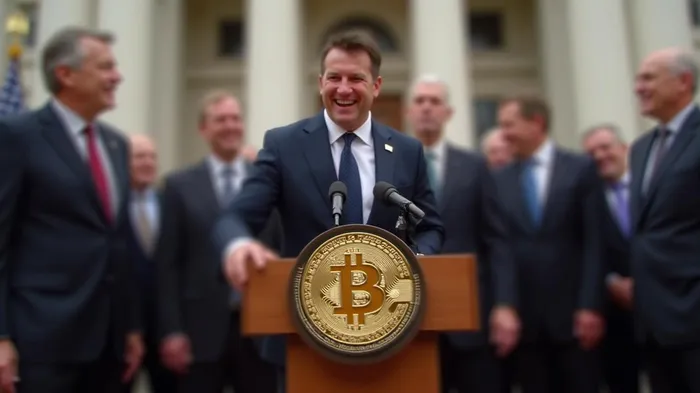
New Hampshire has made history by becoming the first U.S. state to approve a law that allows for the investment of up to 5% of its public funds in cryptocurrency and precious metals. This groundbreaking legislation, signed into law by Governor Kelly Ayotte, marks a significant milestone in the mainstream adoption of Bitcoin in public finance and the diversification of state reserves.
The new law stipulates that only digital assets with a market capitalization of at least $500 billion are eligible for investment. Currently, Bitcoin is the sole digital asset that meets this criterion, positioning it as the primary beneficiary of this policy. This move not only underscores the growing acceptance of Bitcoin but also sets a precedent for other states considering similar legislation.
New Hampshire's swift action in passing this bill places it ahead of other states like Arizona and Florida, which have explored similar measures but faced setbacks. Arizona, for instance, had a comparable bill vetoed earlier this year, while Florida and others have withdrawn their proposals due to lack of momentum. Governor Ayotte celebrated the state's pioneering move, stating, "New Hampshire is once again first in the Nation."
The law's strict eligibility criteria, which require a minimum market cap of $500 billion, aim to mitigate risk and prevent exposure to low-liquidity or volatile tokens. Bitcoin's liquidity, legal clarity, and institutional acceptance make it a suitable choice for such a conservative investment approach. The law allows for up to 5% of state-held public funds to be allocated to these investments, giving the state treasurer discretion over the timing and scale of purchases while maintaining a strict risk ceiling.
Industry players have also expressed support for the initiative. Dennis Porter, founder of the Satoshi Action Fund, played a key role in pushing the measure and commended New Hampshire for being a "trailblazer" in public-sector cryptocurrency adoption. He believes that other states will now be more likely to follow New Hampshire's example, stating, "The first one’s the hardest, by far. Having a state that’s already gotten it done, it’ll really increase the political momentum."
As federal progress on digital asset policy remains limited, states like New Hampshire are taking the lead in exploring crypto-based diversification strategies. Donald Trump previously called for the U.S. to establish its own Bitcoin reserve, but the Treasury Department has yet to take concrete action. New Hampshire's law sends a clear message that states do not need to wait for federal approval to explore these opportunities.
With U.S. inflation remaining a concern and Bitcoin's long-term value proposition gaining credibility, such strategies could gain popularity in other statehouses. North Carolina, for example, is still considering similar measures and remains a serious contender. Lawmakers across several states are watching closely to see how New Hampshire implements its new authority. If successful, New Hampshire's experiment could set the tone for broader state-level adoption of crypto reserve strategies, positioning the state as a leader in digital asset policy.






Comentarios
Aún no hay comentarios