
Grupa Azoty's Polyolefins Stake: A Strategic Crossroads for European Petrochemicals
The potential abandonment of Orlen's acquisition of Grupa Azoty's polyolefins stake marks a pivotal moment for Poland's petrochemical sector and raises critical questions about strategic divestitures in an uncertain macroeconomic environment. While formal confirmation of Orlen's withdrawal remains pending, the repeated delays in negotiations and shifting market dynamics suggest a recalibration of priorities that could reshape competition in polyolefins, pricing trajectories, and investor confidence in regional energy conglomerates.
The Deal That Didn't Happen: Why Orlen May Have Walked Away
The extended timeline of negotiations—initially set for March 2025, pushed to May, and finally June—hints at unresolved friction over valuation, risk allocation, or strategic fit. Orlen, Poland's largest refiner, has been consolidating its position in renewables and downstream energy assets. This shift aligns with broader trends in European energy markets, where companies are prioritizing low-carbon investments over traditional petrochemicals.
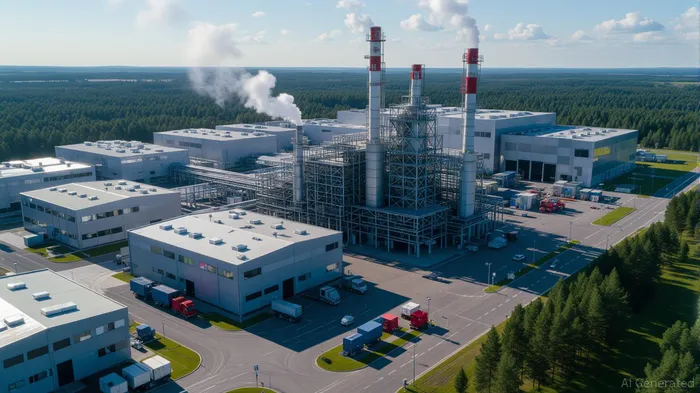
Technical challenges at Grupa Azoty's Polimery Police facility, particularly the underperforming PDH (Propane Dehydrogenation) unit, may have deterred Orlen. Persistent operational hiccups could signal higher-than-expected costs for maintenance or restructuring, making the asset less attractive. Additionally, Orlen's recent pivot to divesting Russian oil dependencies—ending reliance on Russian crude by June 2025—suggests a strategic reallocation of capital toward lower-risk, higher-growth sectors.
Grupa Azoty's Recovery Program: A Vulnerability Exposed
Grupa Azoty's Recovery Program hinges on monetizing its polyolefins stake to fund a pivot toward sustainable chemicals and agrochemicals. A failed sale leaves the company overexposed to a division plagued by technical debt and declining margins in a sluggish European market.
The delay amplifies financial strain, as Grupa Azoty must divert resources to stabilize the Polyolefins division instead of reinvesting in its new business model. This could weaken its credit profile, deterring investors and increasing borrowing costs at a time when European interest rates remain elevated.
Downstream Implications: Pricing, Competition, and Investor Sentiment
The abandoned deal could disrupt polyolefins pricing dynamics. With Orlen's capital no longer backing Grupa Azoty's expansion plans, overcapacity in the European market—already burdened by imports from the Middle East and Asia—may persist. This could keep prices suppressed, squeezing margins for smaller producers.
Meanwhile, the vacuum left by Orlen's withdrawal could benefit competitors like Indorama or Borealis, which might seek to acquire Grupa Azoty's assets at a discount. For investors, this underscores the risks of overexposure to petrochemical joint ventures, where geopolitical shifts and operational missteps can quickly erode value.
Investment Thesis: Proceed with Caution
Investors in Polish energy conglomerates should reassess their exposure to asset-heavy petrochemical operations. Key considerations include:
1. Grupa Azoty's Liquidity: Can it survive without the polyolefins sale? Monitor its debt-to-equity ratio and access to credit.
2. Orlen's Strategic Shift: Is its pivot to renewables sustainable, or will it face headwinds from stranded assets in traditional energy?
3. Polyolefins Pricing: Track European HDPE and PP prices to gauge market health and overcapacity risks.
Conclusion: A New Era for European Petrochemicals
Orlen's potential withdrawal from the Grupa Azoty deal signals a turning point for the sector. Investors must weigh the risks of delayed monetization and strategic misalignment against opportunities in companies pivoting toward sustainability. For now, caution prevails: favor firms with diversified revenue streams and strong balance sheets, and avoid overconcentration in petrochemicals unless operational stability and strategic clarity are evident.
The Polish petrochemicals landscape is at a crossroads—one where strategic agility, not just scale, will determine survival in the years ahead.







Comentarios
Aún no hay comentarios