
The Growing Risks of Index Fund Concentration and Market Distortion: A Case for Active Resilience
The U.S. investment landscape has undergone a seismic shift. As of October 2025, passively managed assets have surged to over $19.1 trillion, eclipsing the $16.2 trillion in actively managed assets, marking a decade-long trend of passive dominance. While low fees and simplicity have driven this shift, the structural risks of index fund concentration are becoming impossible to ignore. From eroded diversification to systemic vulnerabilities, the market's reliance on passive strategies is reshaping risk profiles for investors-and demanding a reevaluation of long-term resilience.
Market Distortions: The Hidden Costs of Passive Dominance
The rise of index funds has created a self-reinforcing cycle: as more capital flows into passive vehicles, the largest stocks-particularly the so-called "Magnificent Seven"-become increasingly overvalued. These companies now account for a disproportionate share of market performance, with their valuation multiples far exceeding historical norms. This concentration amplifies liquidity risks, as passive funds are mechanically forced to hold these stocks regardless of fundamentals. During downturns, this can trigger synchronized selling, further exacerbating volatility.
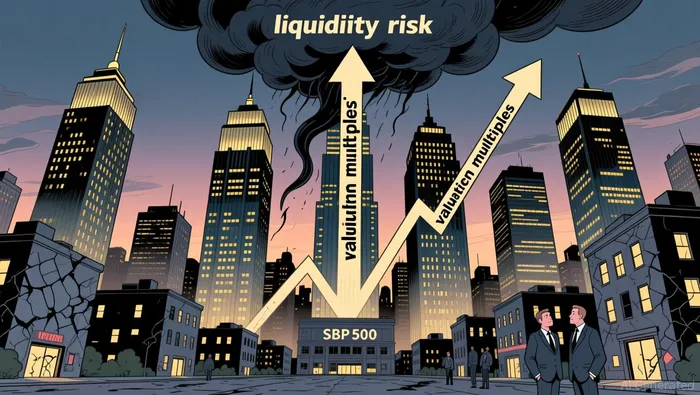
Moreover, the mechanical nature of index rebalancing has introduced predictable trading patterns, which opportunistic traders exploit to increase implementation costs for passive investors. Meanwhile, the proliferation of passive strategies has reduced stock price informativeness, as markets become less responsive to company-specific news. This dynamic not only distorts capital allocation but also undermines the diversification benefits that index investing once promised.







Comentarios
Aún no hay comentarios