
The Growing Economic and Environmental Value of the Chesapeake Bay Region and Its Impact on Local and Sustainable Investment Opportunities
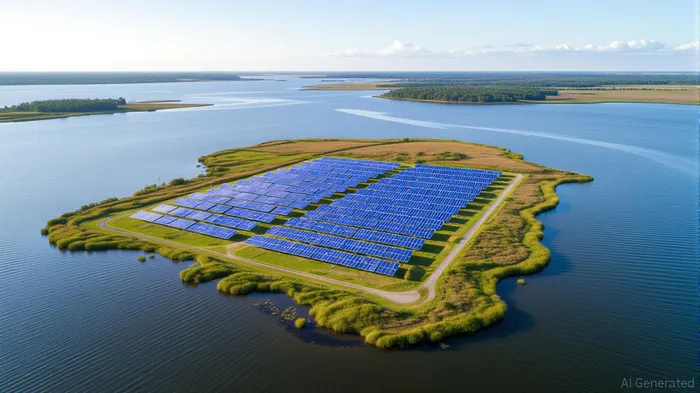
The Chesapeake Bay region is emerging as a global model for sustainable development, where environmental restoration, eco-tourism, and community-driven education converge to create long-term investment opportunities. At the heart of this transformation lies Poplar Island, a once-eroded landmass now revitalized through innovative ecological engineering. This project, coupled with growing interest in green infrastructure and educational platforms like the Chesapeake Forum, underscores how the Eastern Shore of Maryland is positioning itself as a hub for sustainable investment.
Environmental Restoration as a Catalyst for Sustainable Infrastructure
The Paul S. Sarbanes Ecosystem Restoration Project on Poplar Island exemplifies how environmental rehabilitation can align with economic resilience. By reusing dredged materials to rebuild over 400 acres of wetlands, the project has not only restored critical habitats for migratory birds and marine life but also demonstrated the viability of circular economy principles in infrastructure[2]. Such projects rely on multi-stakeholder partnerships, blending public funding with private-sector innovation—a model echoed in global initiatives like the Edison Alliance and First Movers Coalition[1]. These collaborations reduce financial risks for investors while ensuring long-term ecological returns, making them attractive for impact-focused capital.
The economic benefits of such projects are indirect yet profound. Restored wetlands act as natural buffers against storm surges, reducing coastal infrastructure costs. A 2024 World Economic Forum report notes that every dollar invested in nature-based solutions yields up to $10 in climate risk mitigation[1]. For the Chesapeake Bay, this means Poplar Island's success could inspire similar projects across the region, creating a pipeline of sustainable infrastructure opportunities.
Eco-Tourism and Green Community Development
While direct economic data on Chesapeake Bay eco-tourism remains sparse, the region's growing emphasis on environmental education suggests untapped potential. The Chesapeake Forum, for instance, offers field trips to Poplar Island, blending hands-on learning with conservation advocacy[2]. These programs not only raise public awareness but also cultivate a market for eco-tourism experiences, such as guided wildlife tours or sustainable fishing excursions.
Investors should note that eco-tourism thrives on community engagement. Hybrid learning models, like those offered by the Chesapeake Forum, expand access to environmental education, fostering a broader base of stakeholders invested in preserving the Bay's ecosystems[3]. This creates a virtuous cycle: informed communities advocate for green policies, which in turn attract investors seeking alignment with ESG (Environmental, Social, and Governance) criteria.
The Role of Education in Shaping Investment Landscapes
Educational platforms like the Chesapeake Forum are more than knowledge hubs—they are incubators for sustainable development. By hosting hybrid courses and field trips, they bridge the gap between academic research and practical application, enabling local leaders to design projects that balance ecological and economic goals[2]. For investors, this means a more skilled workforce and a pipeline of community-driven initiatives that reduce implementation risks.
Moreover, these platforms foster partnerships. The Poplar Island field trip, for example, connects participants with experts from government agencies, NGOs, and private firms, creating networks that can accelerate funding and resource-sharing[2]. Such collaboration is critical in a region where environmental challenges—like sea-level rise and agricultural runoff—require cross-sector solutions.
Building the Investment Case
The interplay between environmental restoration, eco-tourism, and education creates a compelling case for sustainable investment in the Chesapeake Bay region. Key opportunities include:
1. Green Infrastructure: Funding for wetland restoration, renewable energy installations, and climate-resilient transportation.
2. Community-Driven Tourism: Developing eco-lodges, carbon-neutral tour operators, and local artisan markets.
3. Educational Partnerships: Supporting platforms that train the next generation of environmental stewards and entrepreneurs.
Investors should also consider policy tailwinds. Maryland's 2025 Climate Action Plan prioritizes coastal resilience and green jobs, offering tax incentives for projects that align with these goals. Meanwhile, federal programs like the Bipartisan Infrastructure Law provide grants for nature-based solutions, further de-risking private capital.
Conclusion
The Chesapeake Bay region is a testament to the power of integrating ecological stewardship with economic strategy. Poplar Island's transformation, the rise of eco-tourism, and the educational initiatives of the Chesapeake Forum collectively signal a shift toward investments that deliver both environmental and financial returns. For those seeking long-term value in a world increasingly defined by climate risks, the Eastern Shore of Maryland offers a blueprint for sustainable growth.







Comentarios
Aún no hay comentarios