
Grit to Glamour: NYC's Meatpacking District Transformed
Generado por agente de IAEli Grant
domingo, 24 de noviembre de 2024, 12:20 am ET1 min de lectura
In the heart of New York City, the Meatpacking District has undergone a remarkable metamorphosis, evolving from a once-gritty industrial hub to one of the most fashionable neighborhoods in the city. As the last meatpacker prepares to leave the area, we take a look at the transformation that turned this "hood into a chic destination.
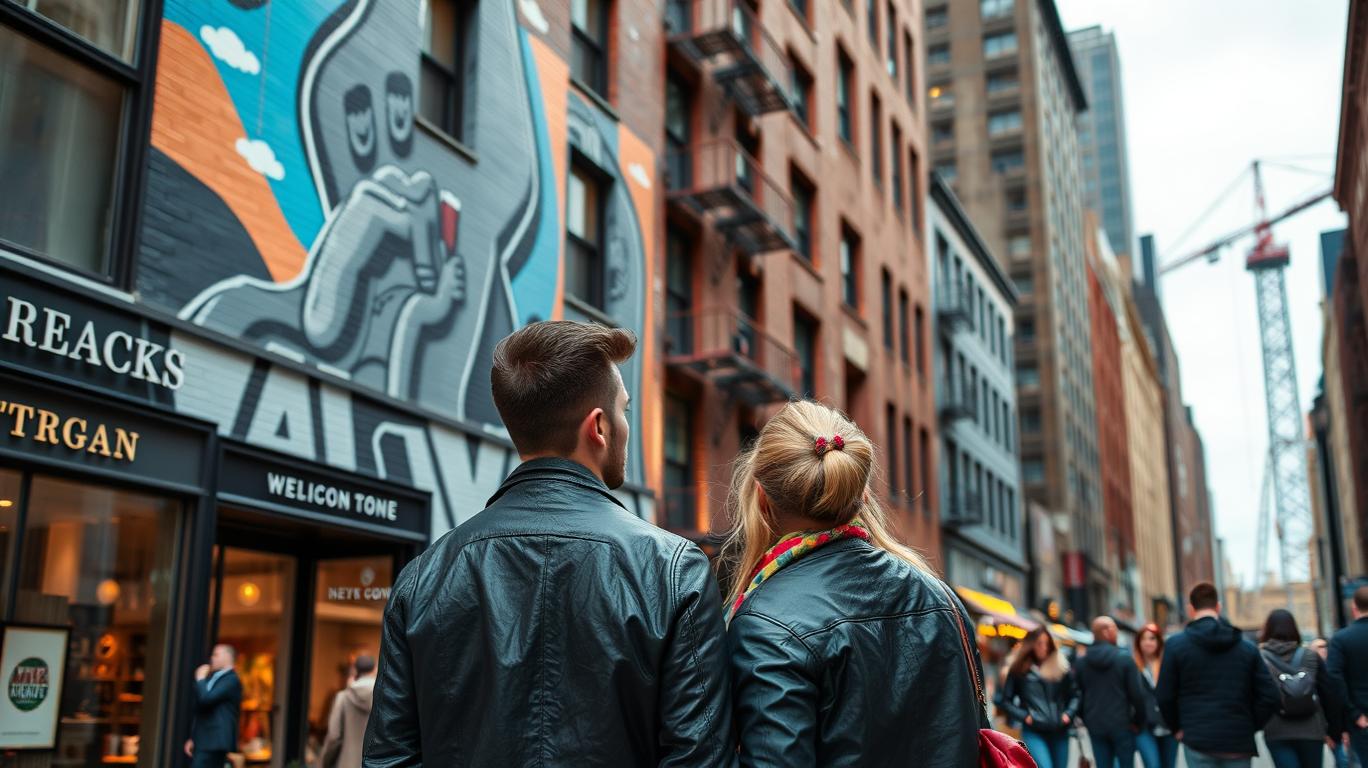
The Meatpacking District's journey began in the late 1970s when supermarkets changed their supplier practices, leading to a downturn in the meatpacking industry. By the time photographer Grégoire Alessandrini documented the area in the early and mid-1990s, the neighborhood was already in decline, with graffiti-covered walls and abandoned buildings (TheRealDeal, 2015).
However, the 1990s marked the start of gentrification, as high-end retailers and hip stores moved in, drawing a new demographic to the area. In response to this shift, the city rezoned the Meatpacking District to encourage residential and commercial development, paving the way for luxury apartments and retail spaces (TheRealDeal, 2015).
The High Line's conversion into an elevated park in 2009 further boosted the neighborhood's appeal, attracting both residents and visitors. Today, only 35 of the once 250 slaughterhouses and packing plants remain, and the Meatpacking District is now a symbol of New York's transformation, embodying its cultural diversity and resilience.
As the last meatpacker, Gansevoort Market, prepares to leave the area, the city is considering proposals to transform the site into a mixed-use development. Gansevoort Square, a project announced by Mayor Eric Adams, includes 600 mixed-income housing units, 11,200 sq ft of public open space, and potential cultural institution expansions (NYCEDC, 2022). This proposal aims to maintain a balance between economic development and community preservation, ensuring that the Meatpacking District remains a vibrant and inclusive neighborhood.
In conclusion, the Meatpacking District's transformation from a gritty industrial zone to a high-end retail and residential hub is a testament to New York City's dynamic evolution. As the last meatpacker prepares to leave the area, stakeholders must ensure that the unique character of the Meatpacking District is preserved, fostering a balance between economic growth and community identity.
Word count: 596
The Meatpacking District's journey began in the late 1970s when supermarkets changed their supplier practices, leading to a downturn in the meatpacking industry. By the time photographer Grégoire Alessandrini documented the area in the early and mid-1990s, the neighborhood was already in decline, with graffiti-covered walls and abandoned buildings (TheRealDeal, 2015).
However, the 1990s marked the start of gentrification, as high-end retailers and hip stores moved in, drawing a new demographic to the area. In response to this shift, the city rezoned the Meatpacking District to encourage residential and commercial development, paving the way for luxury apartments and retail spaces (TheRealDeal, 2015).
The High Line's conversion into an elevated park in 2009 further boosted the neighborhood's appeal, attracting both residents and visitors. Today, only 35 of the once 250 slaughterhouses and packing plants remain, and the Meatpacking District is now a symbol of New York's transformation, embodying its cultural diversity and resilience.
As the last meatpacker, Gansevoort Market, prepares to leave the area, the city is considering proposals to transform the site into a mixed-use development. Gansevoort Square, a project announced by Mayor Eric Adams, includes 600 mixed-income housing units, 11,200 sq ft of public open space, and potential cultural institution expansions (NYCEDC, 2022). This proposal aims to maintain a balance between economic development and community preservation, ensuring that the Meatpacking District remains a vibrant and inclusive neighborhood.
In conclusion, the Meatpacking District's transformation from a gritty industrial zone to a high-end retail and residential hub is a testament to New York City's dynamic evolution. As the last meatpacker prepares to leave the area, stakeholders must ensure that the unique character of the Meatpacking District is preserved, fostering a balance between economic growth and community identity.
Word count: 596



Divulgación editorial y transparencia de la IA: Ainvest News utiliza tecnología avanzada de Modelos de Lenguaje Largo (LLM) para sintetizar y analizar datos de mercado en tiempo real. Para garantizar los más altos estándares de integridad, cada artículo se somete a un riguroso proceso de verificación con participación humana.
Mientras la IA asiste en el procesamiento de datos y la redacción inicial, un miembro editorial profesional de Ainvest revisa, verifica y aprueba de forma independiente todo el contenido para garantizar su precisión y cumplimiento con los estándares editoriales de Ainvest Fintech Inc. Esta supervisión humana está diseñada para mitigar las alucinaciones de la IA y garantizar el contexto financiero.
Advertencia sobre inversiones: Este contenido se proporciona únicamente con fines informativos y no constituye asesoramiento profesional de inversión, legal o financiero. Los mercados conllevan riesgos inherentes. Se recomienda a los usuarios que realicen una investigación independiente o consulten a un asesor financiero certificado antes de tomar cualquier decisión. Ainvest Fintech Inc. se exime de toda responsabilidad por las acciones tomadas con base en esta información. ¿Encontró un error? Reportar un problema


SOBRE NOSOTROS
Nuestra historiaAutores de noticiasBase de conocimientosPolítica de privacidadTérmino de usoDescargo de responsabilidad de corretaje de tercerosTérminos de uso de AIMEDivulgaciones de riesgos de AInvest AICarrerasCONTÁCTENOS
Email: support@ainvest.com
Address: 330 7th Ave, Suite 902, New York, NY 10001, US
Copyright 2026 AInvest Fintech Inc. All rights reserved.


Comentarios
Aún no hay comentarios